
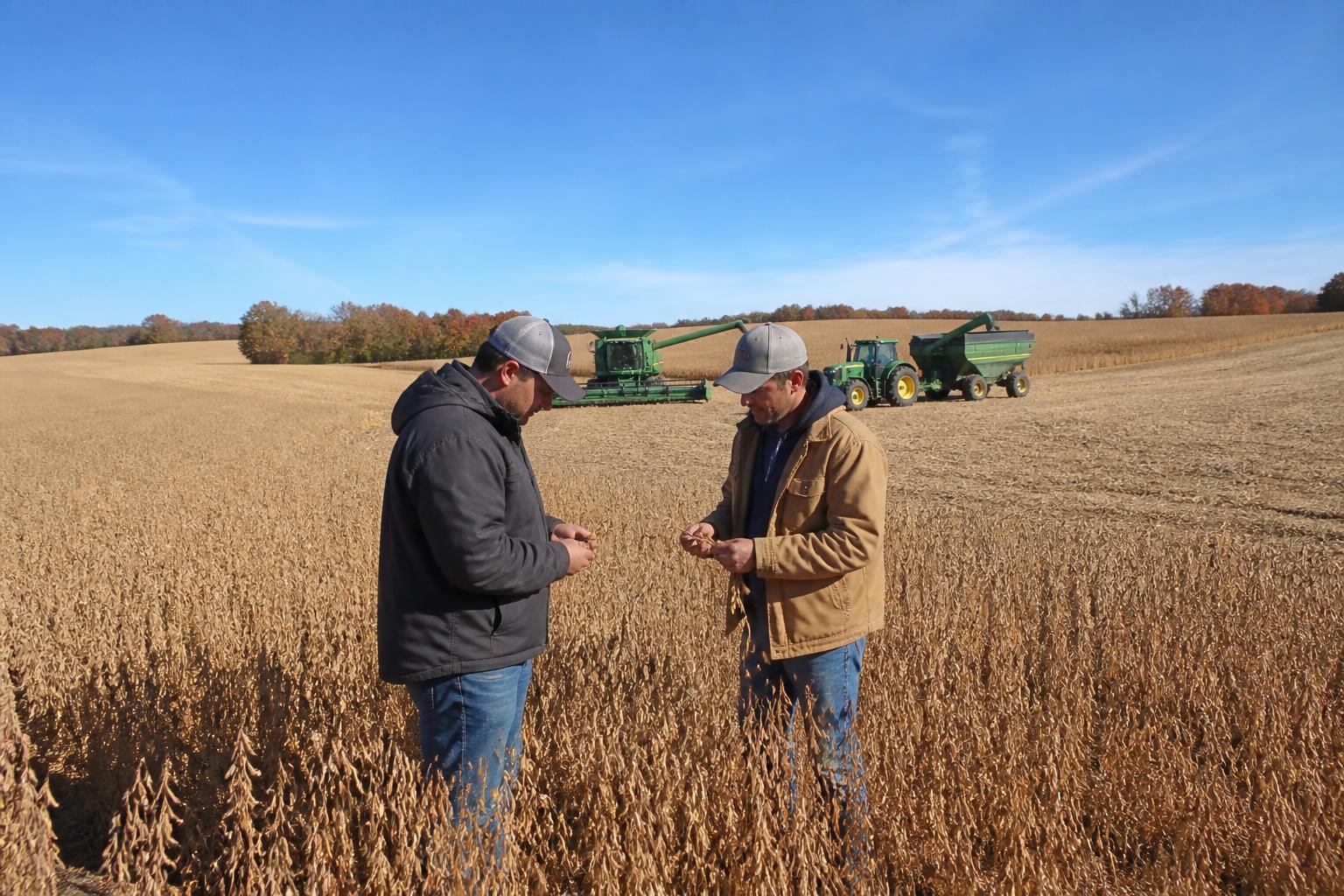
With the fall harvest underway across North Dakota, farmers are shifting their attention toward post-harvest field management and securing necessary inputs for the next growing cycle. Current efforts in fields across the state, from the Red River Valley to the western plains, are highlighting the ongoing need for robust agronomic strategies to ensure soil health and crop resilience ahead of winter conditions.
Maintaining a reliable supply chain for essential inputs remains a top priority for agribusinesses. Producers are closely monitoring shifting dynamics in regional ag infrastructure and trade priorities, which influence both the availability and cost of fertilizers. Understanding these logistics is vital for operations as they prepare for late-season soil testing and nutrient application planning.
Expanding Export Horizons and Market Outlook
Beyond domestic input procurement, there is emerging optimism regarding international trade. New infrastructure projects and global export channels are creating potential pathways for North Dakota agricultural products. These developments often signal long-term shifts in how state-grown commodities reach international markets, providing a strategic benefit to producers who stay informed about global trade developments.
Navigating Seasonal Logistics
As the window for field work narrows with the onset of the season, managing regional grain logistics and rail stability continues to be a critical factor for successful bottom-line results. Efficient movement of the current harvest is necessary to clear storage space and prepare for subsequent input delivery, underscoring the interconnected nature of the state's agriculture sector.
What it means for the market: Producers who prioritize proactive input planning while monitoring regional trade and logistics updates may find themselves in a stronger position to mitigate seasonal supply volatility. Integrating these market observations into daily operations remains a foundational practice for navigating the complexities of modern North Dakota farming.
Comments
No comments yet - be the first to share your take.