
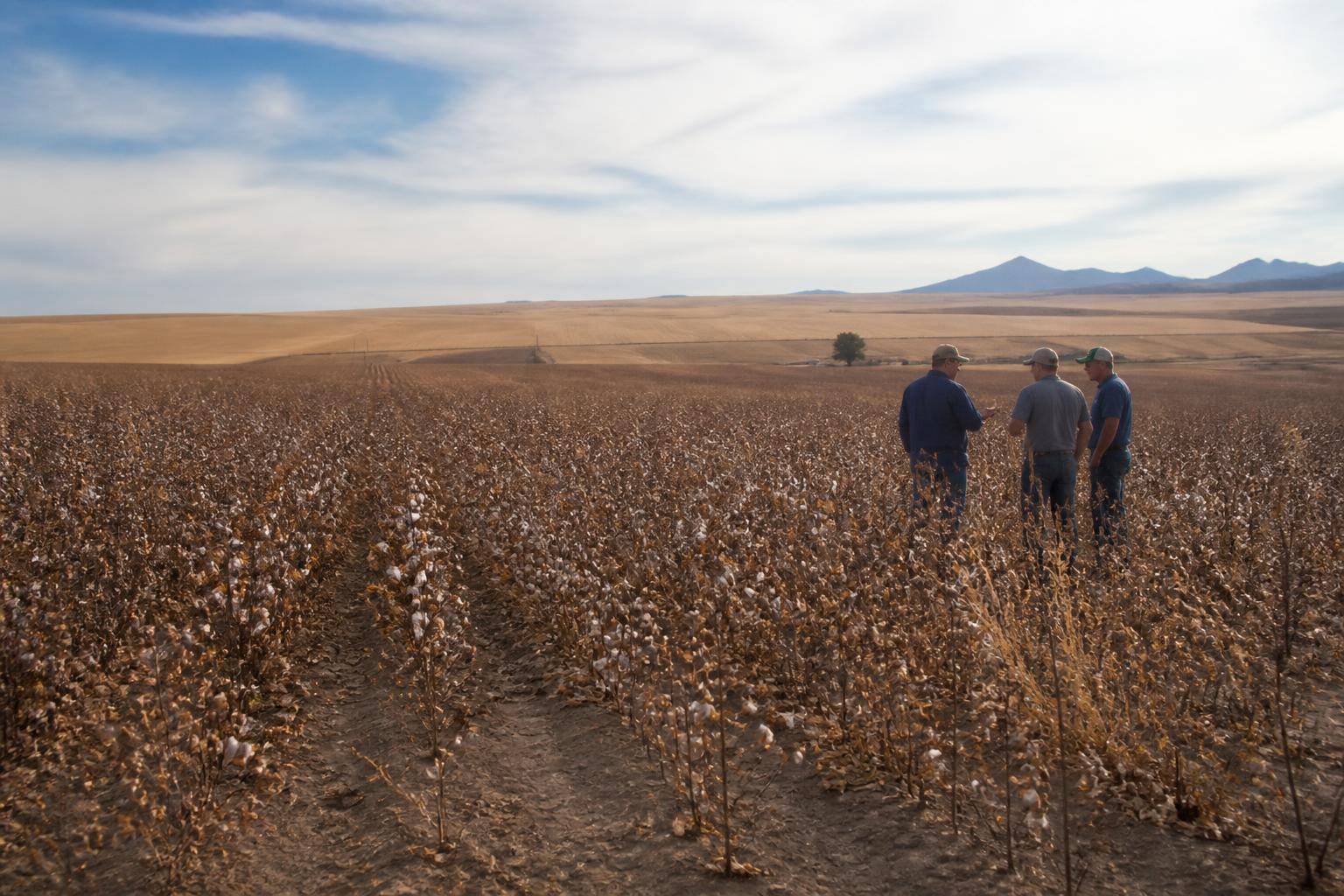
Rising Input Costs Impacting Utah Fields
As the fall season progresses, Utah farmers and agribusinesses are reporting increased economic strain tied directly to the cost of critical inputs. Market volatility, influenced by broader international conflicts, has pushed fertilizer prices to levels that challenge the operational budgets of many local grain and forage producers. These input costs remain a primary concern for those preparing for the next production cycle, as thin margins leave little room for unexpected price spikes in the chemical and nutrient markets.
Logistics and Resource Management in the Beehive State
Beyond the cost of inputs, agricultural operations across the state continue to grapple with persistent resource constraints. Managing water allocation remains a central focus for stakeholders, particularly as discussions surrounding water optimization and usage rights continue to evolve within the regional agricultural landscape. Navigating structural shifts in regional markets requires careful attention to both legislative trends and the physical availability of water, which continues to be a defining factor for long-term viability in sectors like alfalfa and grain production.
Maintaining Stability Amid Uncertainty
For many local producers, the current environment necessitates a cautious approach to procurement and resource management. With the rising price of fuel often mirroring trends in the broader agricultural supply chain, managing operational efficiency on the farm has never been more critical. Whether dealing with the ongoing challenges of regional drought or the fluctuating costs of specialized inputs, producers are prioritizing resiliency to maintain their position in the market.
What it means for the market
Producers should expect continued pressure on profit margins through the end of the year. Keeping a close watch on global geopolitical developments that impact gas and nutrient supplies will be essential for making informed purchasing decisions for the upcoming season, while ongoing regional dialogues regarding land and water usage will likely remain a significant factor in shaping future agricultural strategies across Utah.
Comments
No comments yet - be the first to share your take.