
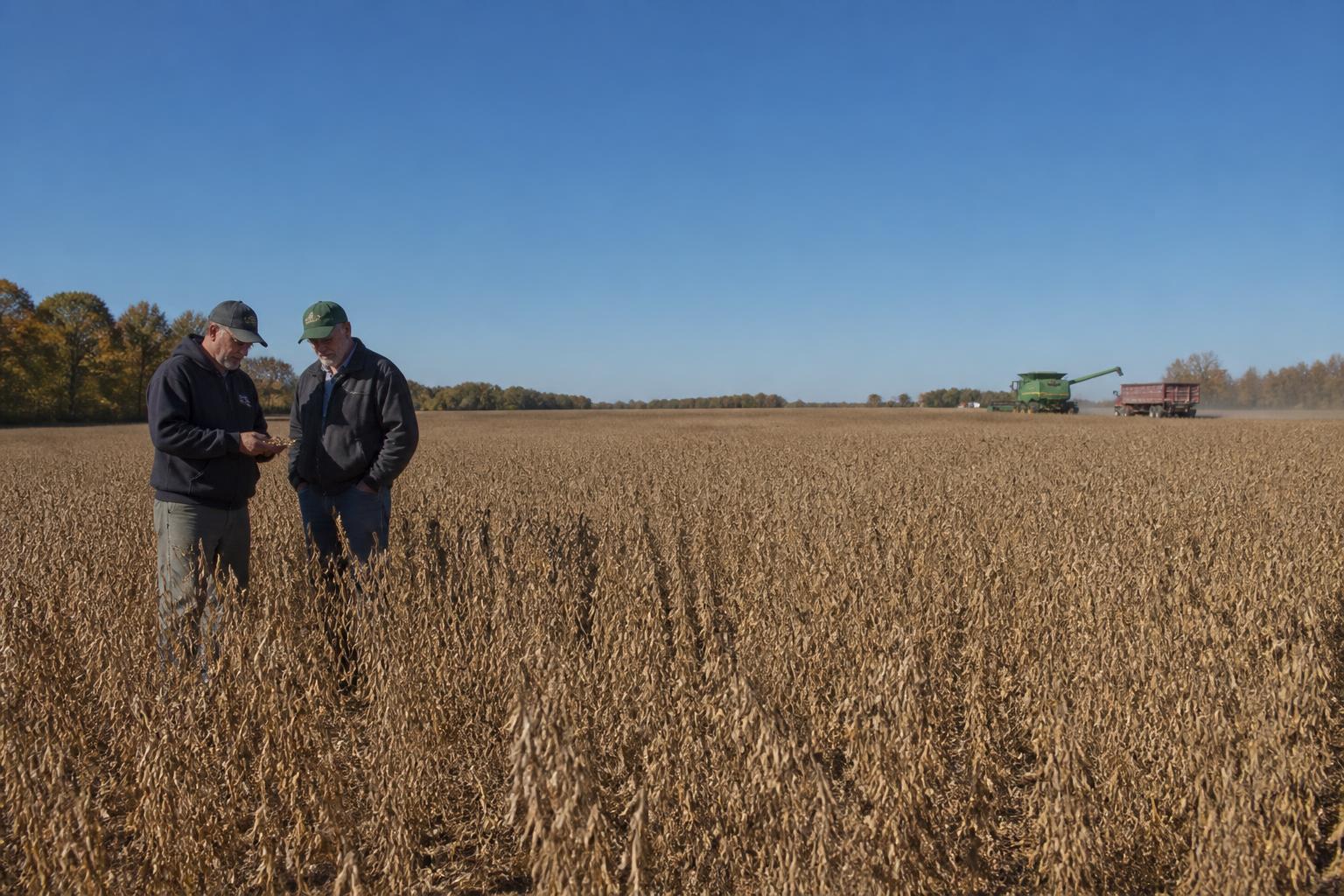
With the autumn harvest season now underway across Minnesota, regional producers are focusing on balancing immediate yield objectives with evolving land management practices. Many farm operations are reassessing their crop rotation cycles, particularly in areas where water quality protection has become a priority. The integration of diversified cropping systems is increasingly viewed not just as an environmental safeguard, but as a potential strategy to stabilize farm profits amidst shifting market variables.
Refining Input and Rotation Strategies
For many growers, the conversation has moved beyond standard corn-soybean cycles. Recent reports focusing on regions like Goodhue County suggest that implementing alternative crop rotations can yield dual benefits. By reducing reliance on traditional intensive input models, farmers may improve their margins while simultaneously addressing long-term resource management concerns. This shift is particularly relevant as producers navigate the complexities of modern herbicide applications and crop protection protocols.
As operations look toward the next planning cycle, optimizing nutrient uptake through adjusted application timing remains a critical focus for maintaining soil health and controlling costs. The ability to pivot quickly to meet both regulatory expectations and market demands is becoming a hallmark of successful management in the North Star State.
What it means for the market
The movement toward diversified crop rotations and more precise input management signals a broader trend in Minnesota agriculture: a transition toward higher-margin, stewardship-focused production. While traditional commodities remain the foundation of the state's agricultural economy, the adoption of these practices suggests that Minnesota producers are positioning themselves to withstand seasonal volatility by diversifying their operational risk. Moving forward, the interplay between sustainable land management and financial performance will likely play an outsized role in shaping local elevator strategies and regional input demand.
Comments
No comments yet - be the first to share your take.