
As Massachusetts growers move into the heart of the fall season, management decisions are increasingly influenced by the intersection of local production goals and the complexities of global supply chains. With harvest activities picking up across the state, the focus is shifting toward managing input costs and preparing soil for future cycles, particularly as uncertainty in international markets begins to weigh on farm-gate economics.
Recent developments in regions of conflict have raised concerns regarding the stability of fertilizer costs for local operations. For many producers in the state, any fluctuation in global commodity prices often filters down to the local level, impacting the bottom line for essential soil inputs. Keeping a close eye on market shifts remains a priority for those looking to secure supplies before the winter months tighten availability.
Adapting to Input Market Pressures
The challenges facing Massachusetts agriculture are not entirely dictated by distance. Whether navigating the complexities of fall market efficiency and storage logistics or assessing the long-term viability of specific nutrient management strategies, producers are increasingly turning to data-driven approaches. Adopting digital tools and exploring innovative production and grain management strategies may offer a buffer against price volatility by optimizing the application and timing of inputs.
Regional Sustainability and Resilience
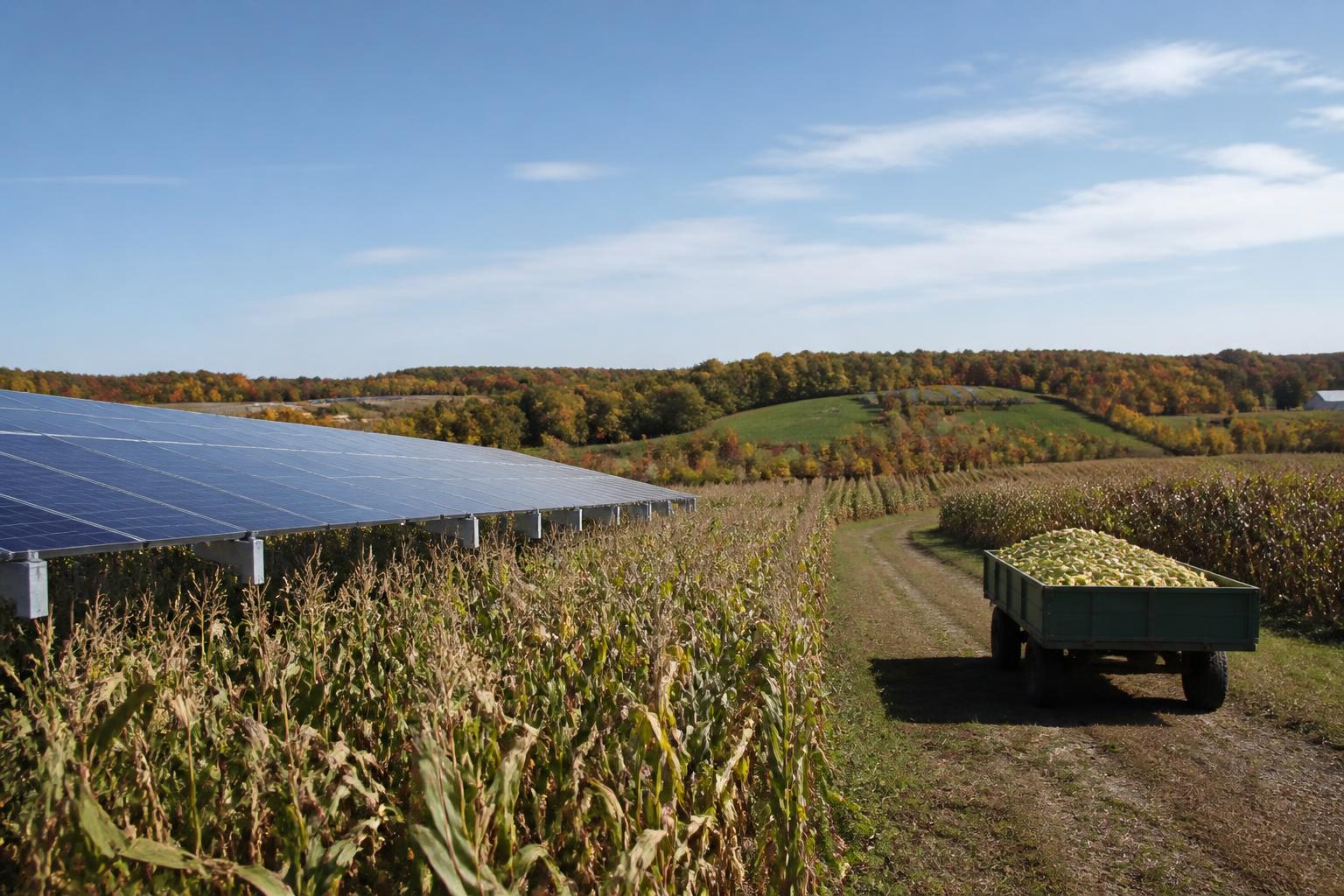
Beyond the immediate price concerns, Massachusetts farms continue to experiment with diverse production models, ranging from agrivoltaic setups to integrated organic practices. These methods do more than just diversify income streams; they often provide a degree of operational independence. As the state observes these shifts, the emphasis on regenerative and efficiency-focused farming remains a key theme for producers managing resources during a season defined by harvest pressure and financial uncertainty.
Key Takeaways for Producers
- Monitor global fertilizer supply indicators closely to anticipate potential local cost increases.
- Leverage existing storage infrastructure to hedge against short-term logistics disruptions.
- Prioritize soil testing and nutrient efficiency to maximize the return on high-cost inputs this season.
What it means for the market: The current climate suggests a period of heightened caution. With international tensions threatening supply stability, Massachusetts producers are encouraged to evaluate their input purchasing strategies early. By focusing on operational efficiency and maintaining flexibility in supply procurement, agribusinesses can better navigate the upcoming cycle despite the underlying global market uncertainty.
Comments
No comments yet - be the first to share your take.