
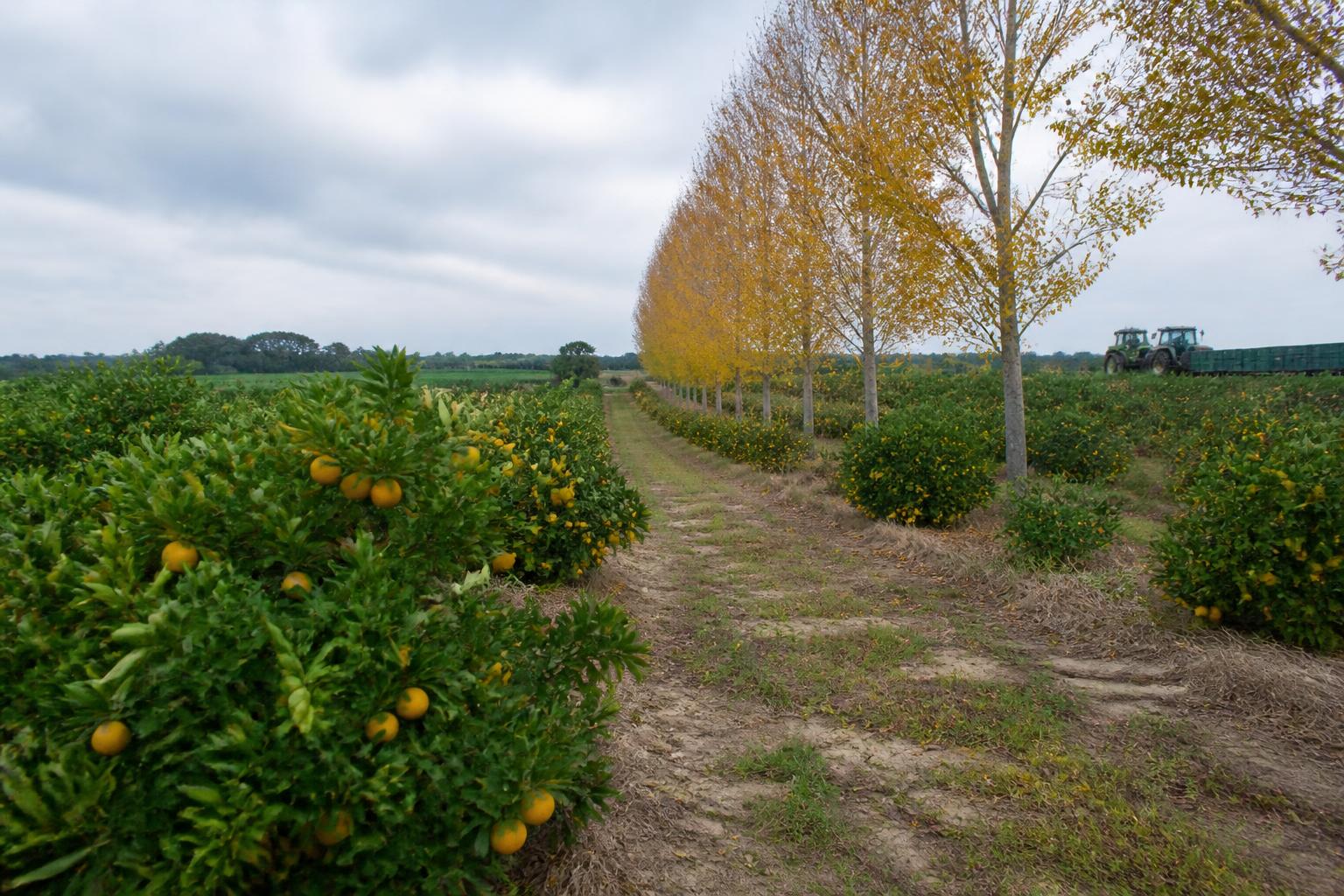
As the fall season progresses, Florida agriculture continues to face significant pressure from invasive pests and long-standing pathogens. Producers across the state, from the northern panhandle to the southern citrus groves, are focusing on proactive protection strategies to stabilize production cycles and preserve market value.
A notable shift in strategy involves the adoption of cutting-edge biotechnology. Recently, Florida growers have placed orders for 300,000 gene-edited trees designed specifically to mitigate the devastating effects of citrus greening. This investment underscores a broader commitment to scientific intervention as a primary defense mechanism against diseases that have hampered yields in recent years. Growers in major production hubs are hopeful these tools will provide a sustainable path forward as standard mitigation efforts often fall short.
Managing Diverse Pest Threats
Beyond traditional citrus challenges, the state is monitoring a rise in diverse invasive insects. Reports of the Oriental Fruit Fly and the Two-Spot Cotton Leafhopper have surfaced in various districts, requiring producers to maintain tight scouting programs. Integrated pest management, or navigating seasonal supply shifts, remains a critical component for those managing smaller operations or niche crops that may be particularly susceptible to these emerging threats.
Strategic Planning for Variable Markets
Market volatility remains a persistent concern for local agribusinesses. Many producers are exploring defensive strategies to guard against price fluctuations, especially as global logistics remain complex. Whether it is through improved weather protection or tighter inventory control, the focus is increasingly on building resilience. For operations in rural counties, leveraging outreach programs from state commerce resources may offer additional support for small-town companies facing these varied economic and environmental hurdles.
What it means for the market
For grain handlers, input buyers, and carriers, the continued reliance on advanced tech and pest-management tools suggests that the cost of production in Florida will remain tied to innovation and intensive input utilization. Producers who prioritize these proactive protective measures are likely better positioned to handle seasonal disruptions, maintaining a more predictable flow of commodities despite regional pest outbreaks.
Comments
No comments yet - be the first to share your take.