
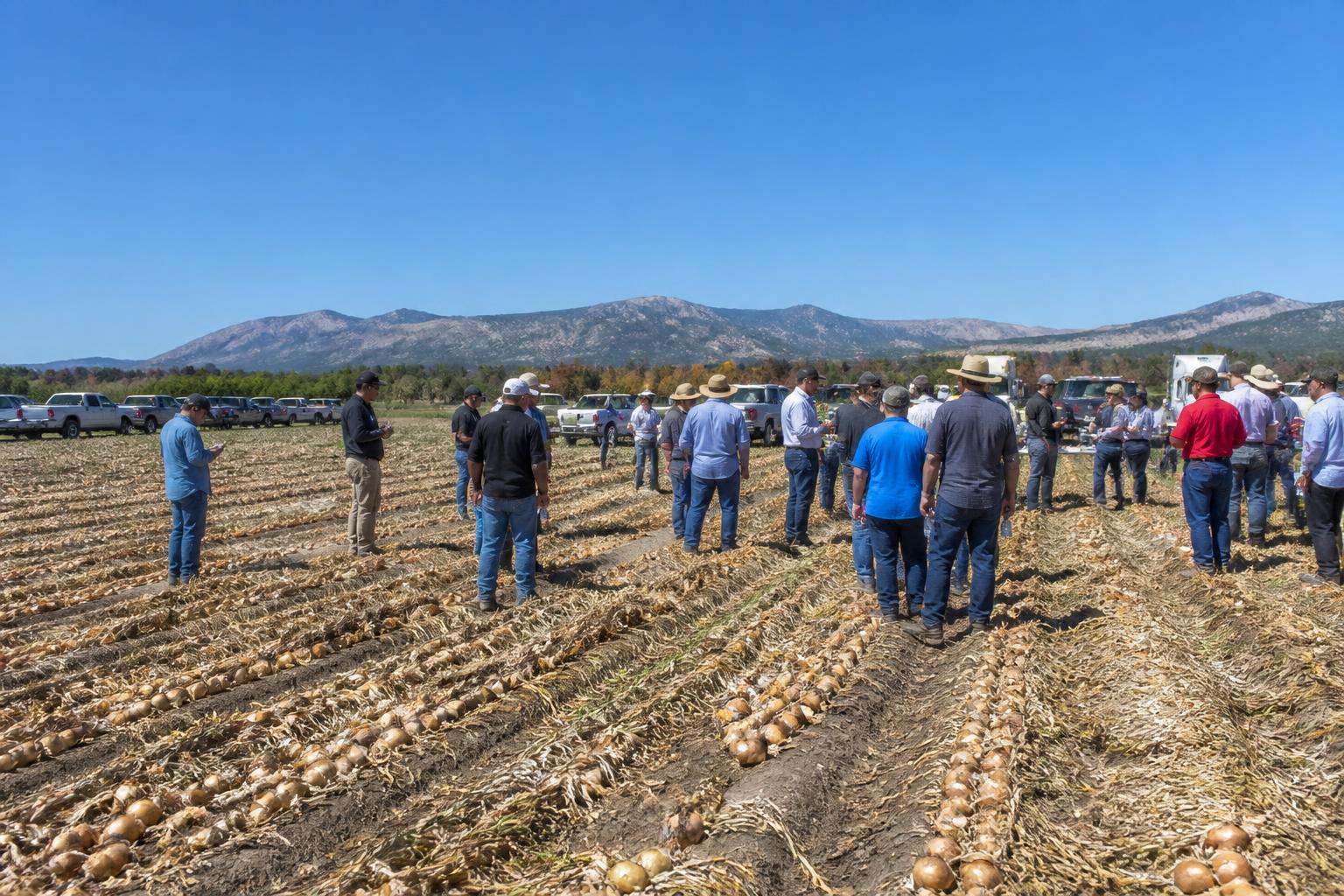
New Mexico agriculture is entering a busy phase this fall, with academic and industry stakeholders focusing on crop performance and future-proofing regional production. As harvest operations move across the state, evaluating yield outcomes and market readiness remains a top priority for producers looking to optimize their logistics and sales strategies.
Recent initiatives from New Mexico State University have centered on rigorous variety testing, including ongoing trials for table grapes and other horticultural crops. By hosting field days, researchers are providing farmers with hands-on opportunities to observe how specific varieties adapt to local soil and environmental conditions. These trials are essential for mitigating production risks and ensuring that growers have access to the most resilient plant genetics available.
Adapting to a Shifting Production Landscape
Beyond traditional crop management, the regional sector is increasingly interested in the commercialization of alternative commodities, such as guayule, which is currently being studied for its potential in the Southwest. These efforts, combined with evolving logistical considerations for livestock and specialized crops, highlight the need for a diversified approach to farm management in New Mexico. Maintaining updated knowledge on these research developments can help operators make more informed decisions regarding field planning and input allocation for the upcoming cycle.
What it means for the market
For New Mexico farmers and agribusinesses, these research-driven insights serve as a barometer for regional performance. As the state continues to integrate new science-based practices, producers who leverage these findings are often better positioned to navigate environmental variables and supply chain pressures. Staying connected to field day outcomes and extension research offers a practical advantage in managing costs and improving overall harvest efficiency this season.
Comments
No comments yet - be the first to share your take.