
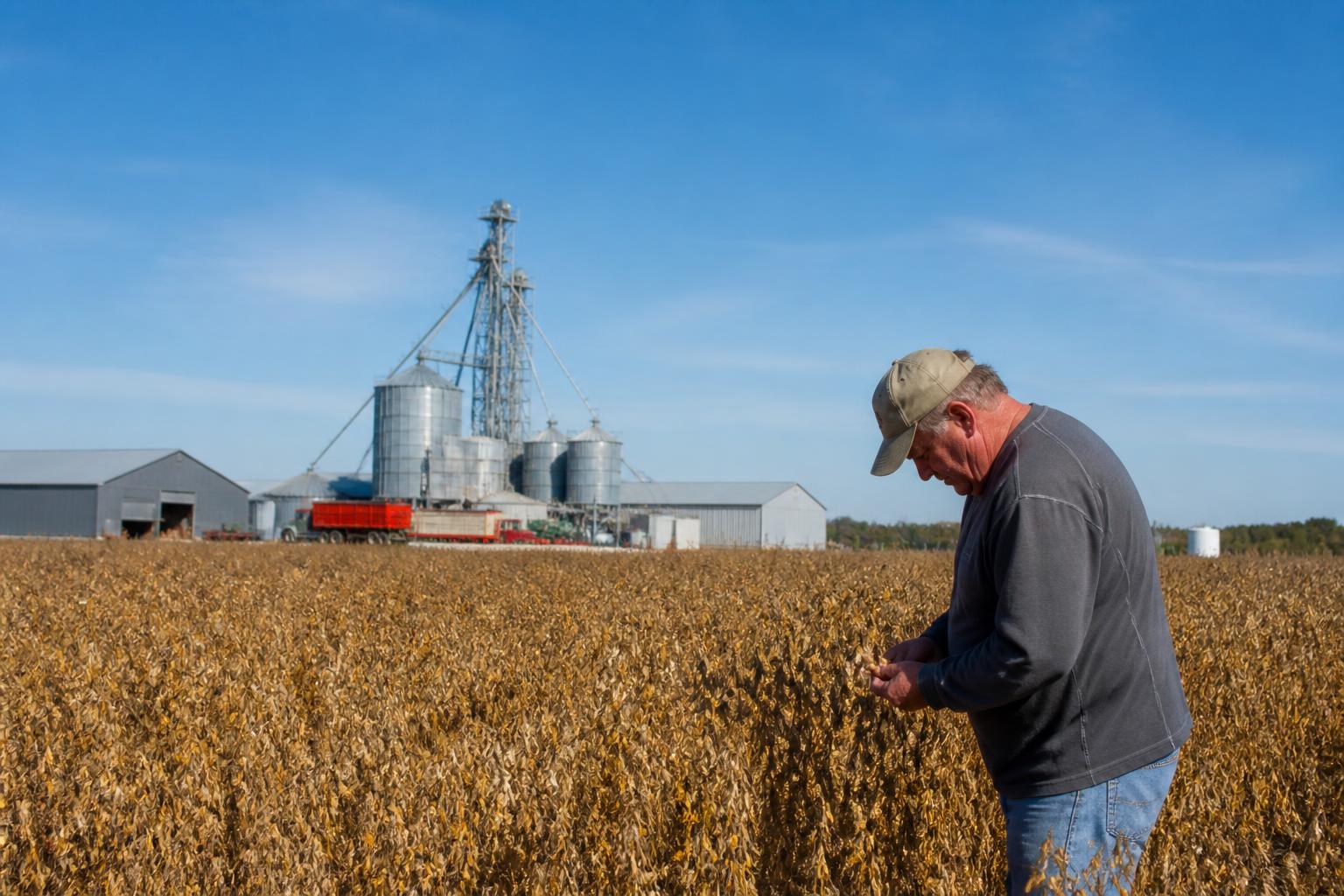
As the fall season reaches its peak in North Carolina, the focus for many across the state shifts toward efficient grain movement and terminal access. Managing the flow of goods requires a sharp awareness of local logistics, especially as producers prepare for peak harvest transit and navigate the unique challenges posed by our state's diverse geography.
Agricultural producers often find themselves balancing tight windows for harvest with the need to ensure smooth passage through rural road networks. In many regions, the pressure on transportation infrastructure can fluctuate based on local storage capacities and the proximity of primary processing facilities. For those coordinating heavy loads, understanding the most reliable routes remains a cornerstone of maintaining profitability during the busy autumn months.
Infrastructure and Terminal Readiness
The operational efficiency of North Carolina's agribusinesses frequently hinges on the state of feed mills and storage infrastructure. Renovations and upgrades at facilities, such as recent improvements at feed mills, highlight the industry's focus on accommodating higher throughput. These investments are critical for maintaining a steady supply chain, particularly when growers are moving large volumes of soy and other fall crops to regional centers.
As harvest activity intensifies, maintaining a clear line of communication with local elevators and transport hubs can help mitigate delays. Staying informed on logistics strategies for peak harvest is often the difference between a seamless delivery and costly downtime. Producers are encouraged to assess their local storage and transport options early in the season to better manage the influx of harvest-ready commodities.
What it means for the market
For the North Carolina agricultural sector, this period is defined by high-volume output and the logistical discipline required to keep the supply chain moving. By staying vigilant about route conditions and maintaining open dialogue with local processing partners, agribusinesses can better navigate the complexities of this year's harvest cycle. Success during this period typically rewards those who prioritize proactive planning and local coordination.
Comments
No comments yet - be the first to share your take.