
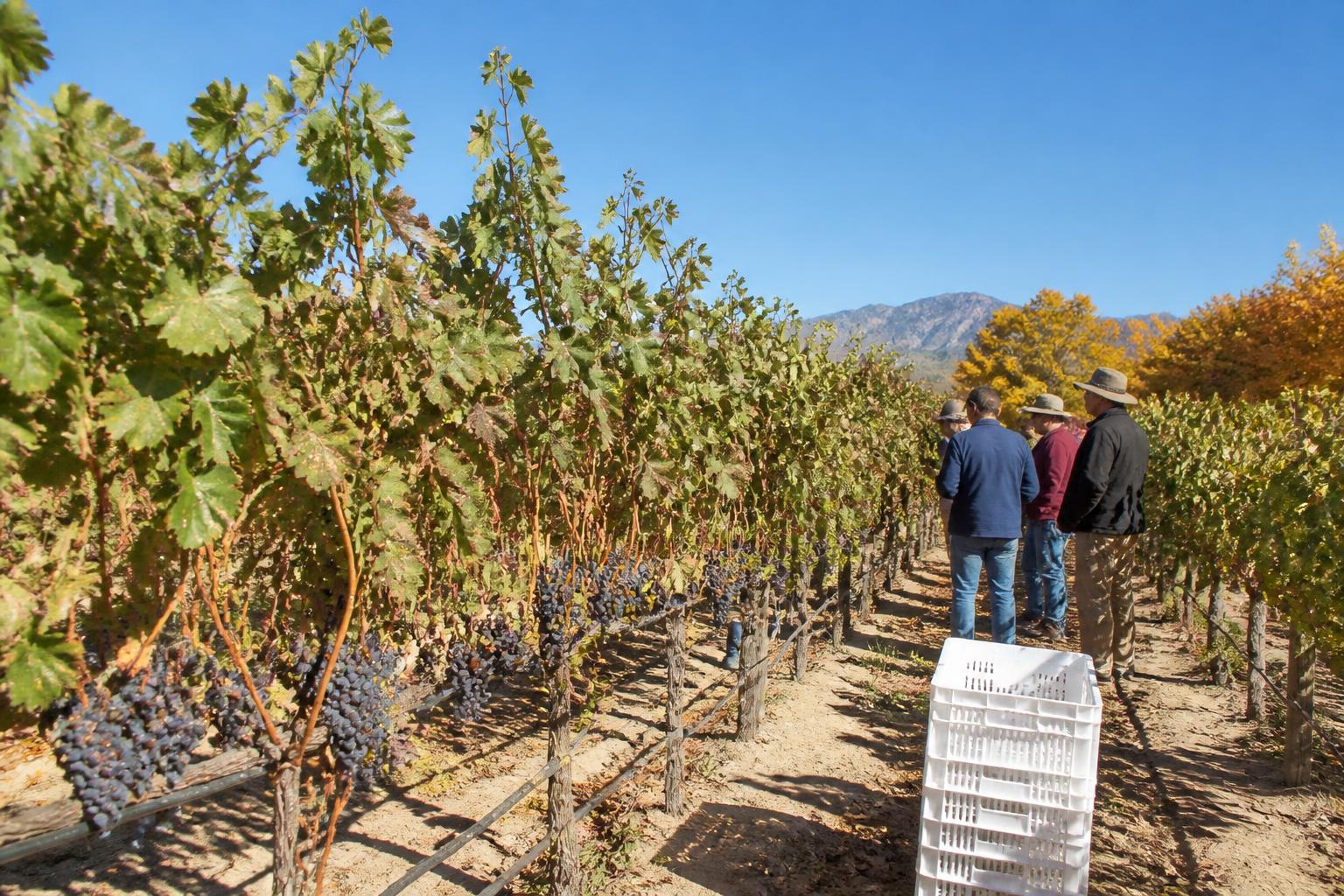
As the fall season takes hold across New Mexico, agricultural producers are closely monitoring developments that could influence operational planning for the coming months. From the biosecurity protocols essential to protecting this year's harvest to broader shifts in trade policy, the current landscape requires careful attention to detail for grain handlers and specialty crop growers alike.
Regional interest remains high regarding input management and land stewardship. With ongoing focus on sustainability, many local operations are evaluating how recent volatility in the fertilizer market impacts their bottom line. Maintaining a proactive approach to soil health and input efficiency is often cited as a key strategy for stabilizing costs during periods of industry fluctuation.
Managing Evolving Regional Logistics
For those managing large-scale operations in regions like the Mesilla Valley or the northern agricultural corridors, logistical flexibility has become a standard requirement. The recent lifting of specific federal restrictions on animal health zones in the state highlights the need for constant monitoring of federal oversight. For producers involved in livestock or perishable crops, staying informed on logistical shifts in regional supply lines remains critical to avoiding supply chain bottlenecks.
Looking Ahead: Strategic Planning
As the harvest progresses, the focus for many agribusinesses is shifting toward long-term resource allocation. Whether utilizing NMSU Agricultural Science Center resources to trial new crop varieties or adjusting planting strategies for the next season, the emphasis is on resilience. With global trade tensions introducing new variables, local farmers are increasingly looking toward diversified management techniques to buffer their operations against external shocks.
What it means for the market
The immediate outlook for New Mexico producers is characterized by a mix of cautious optimism and strategic adjustment. While external pressures—such as potential trade adjustments and input costs—present challenges, the stability of local production sectors and the continued emphasis on high-value crop innovation suggest a resilient path forward for the state's agriculture industry.
Comments
No comments yet - be the first to share your take.