
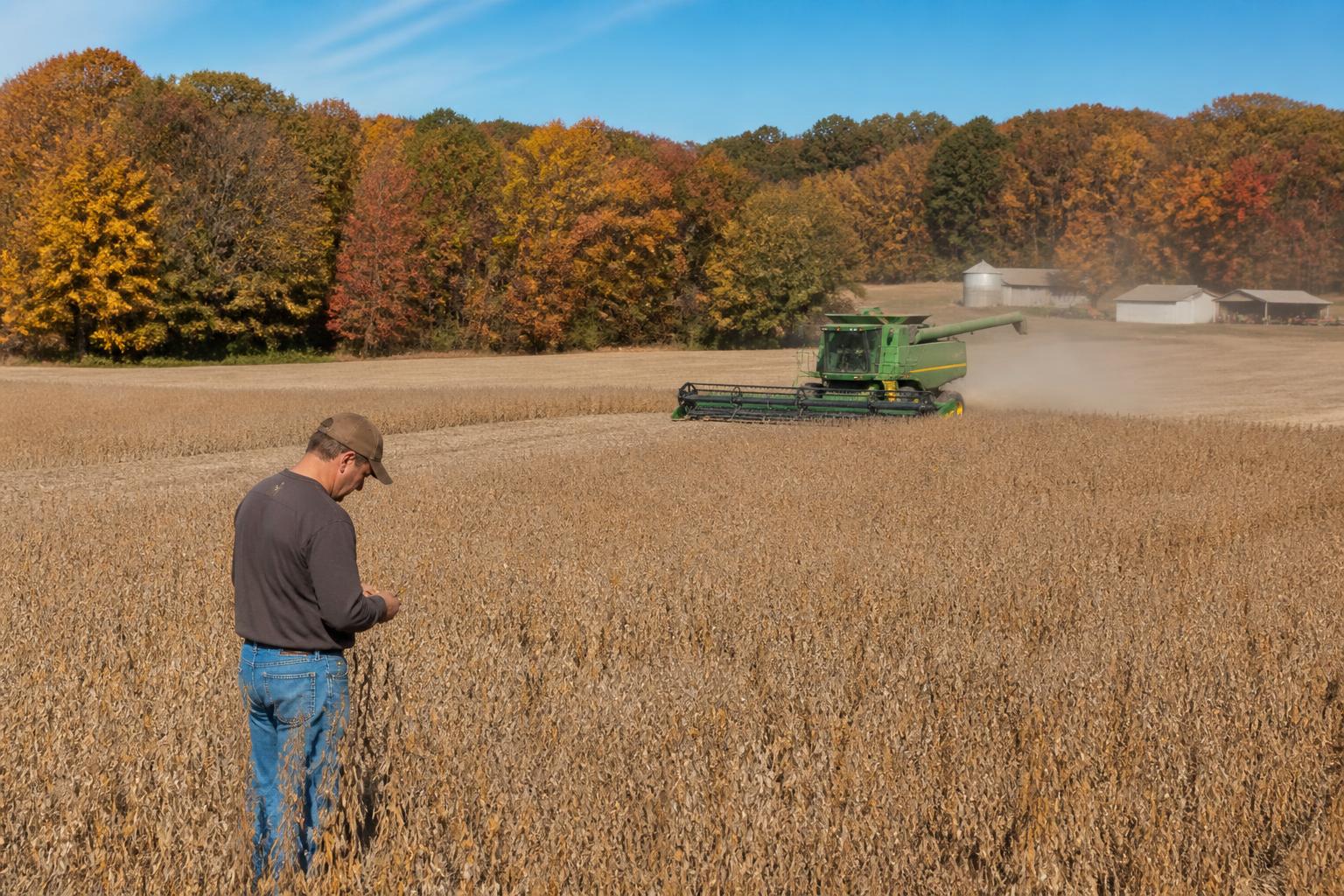
With the fall harvest season now in full swing across Tennessee, local producers and grain handlers are shifting their focus to the logistical challenges of moving crops from the field to storage and local processing facilities. The movement of grain requires careful synchronization between harvest timelines and the availability of transport, especially as regional traffic increases on key arterial roads and transit corridors.
Successfully navigating these seasonal pressures often depends on managing grain transit efficiencies to avoid bottlenecks at elevators and processing sites. For many operations, the ability to coordinate transport schedules closely with regional elevators is essential to maintaining momentum. As discussed in recent insights on Tennessee transport trends, proactive communication remains a standard best practice for mitigating the typical congestion that arises during peak hauling weeks.
Aligning Logistics with Regional Processing
The state remains a significant hub for agricultural activity, where timely access to storage and bioethanol production facilities can directly impact a producer's ability to capitalize on market windows. Ensuring that trucks are properly staged and that routes are optimized for weight limits on secondary county roads can prevent costly delays. As operations ramp up, carriers are often encouraged to stay apprised of local logistics and transit updates to stay ahead of regional disruptions.
Infrastructure and Operational Readiness
Beyond the immediate demands of the harvest, stakeholders continue to evaluate how broader logistics infrastructure supports Tennessee agriculture. Reliable, consistent transit pathways are fundamental to moving everything from bulk grains to specialty crops. For those managing complex supply chains, tracking logistical pressures and anticipating potential service gaps in the local transit network can prove advantageous as the season matures.
What it means for the market: Producers and agribusinesses who prioritize clear communication with transport partners and remain flexible regarding delivery windows are better positioned to navigate the late-September rush. While individual site conditions vary, a disciplined approach to staging and route planning is likely to minimize downtime as the volume of grain moving across Tennessee infrastructure hits its seasonal peak.
Comments
No comments yet - be the first to share your take.