
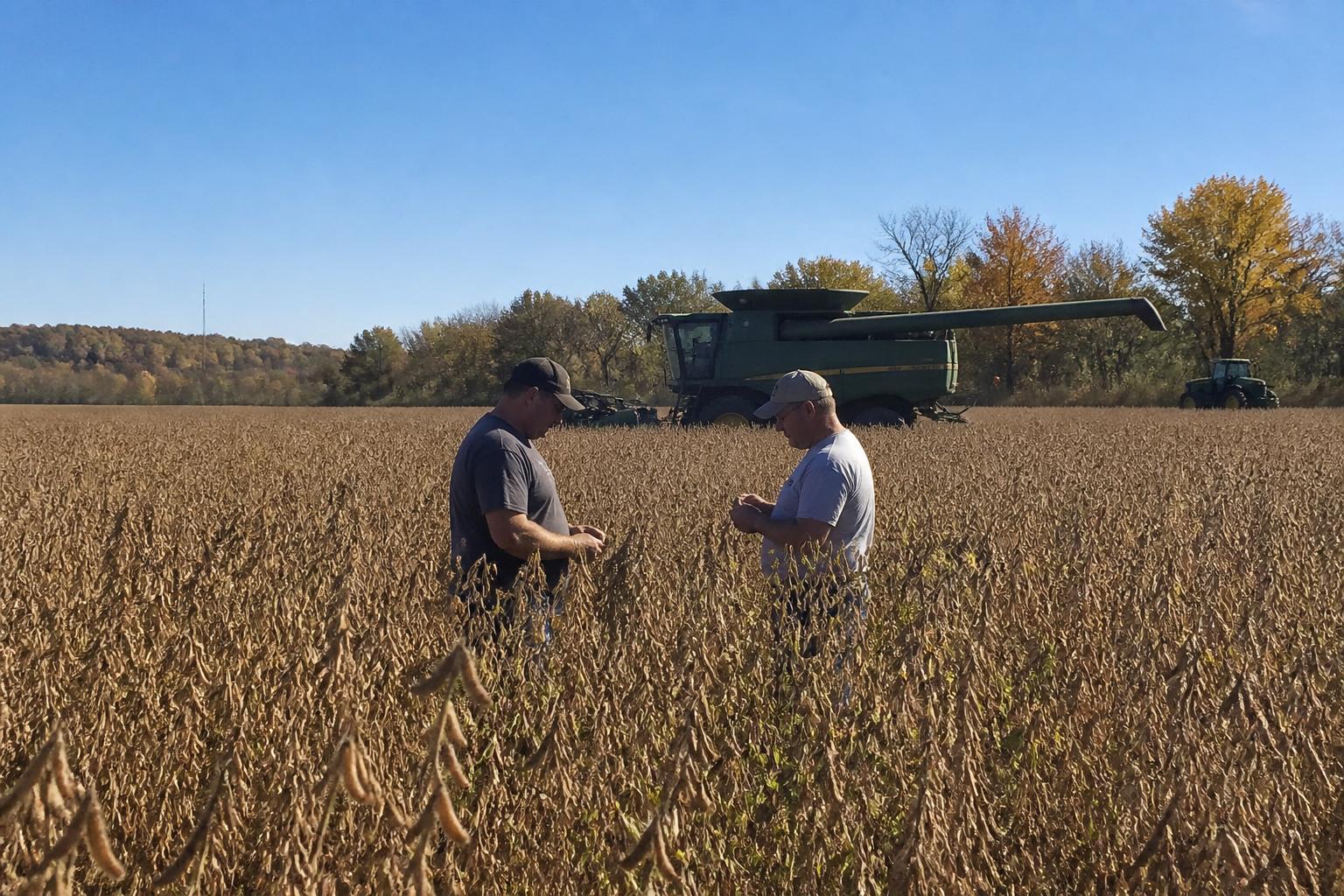
As we move deeper into October, Missouri agriculture enters a critical phase where efficient harvest management meets the reality of variable field conditions. Producers across the state are focusing on getting equipment into the fields, though recent weather patterns have kept many farmers in a wait-and-see mode regarding soil moisture and crop maturity.
Successfully navigating these variables requires more than just machinery maintenance. It involves a strategic look at how late-season crop protection and stewardship directly impact the quality and marketability of this year's yield. With harvest windows often tight, addressing pest and disease pressure early has proven to be a vital practice for maintaining crop health.
Managing Field Logistics and Seasonal Pressures
For grain handlers and logistics providers, this time of year typically brings a surge in transportation demand along key Missouri corridors. Whether dealing with corn, soybeans, or rice, ensuring that both local storage and regional transport are ready to handle the flow is essential. Proper grain storage strategies can provide the flexibility needed to weather market volatility, especially as producers evaluate their options in a competitive landscape.
As operations continue, keep an eye on moisture levels and potential compaction, particularly in areas that have seen recent rainfall. Maintaining a clean operational footprint helps protect the soil for future cycles while minimizing delays in field access.
What it means for the market
For agribusinesses and producers, the current environment underscores the importance of balancing aggressive harvesting with careful risk management. Staying updated on regional developments and maintaining solid relationships with local elevators can provide a significant advantage as the season progresses. Monitoring local reports remains the best way to adjust plans according to the specific conditions in your county.
Comments
No comments yet - be the first to share your take.