
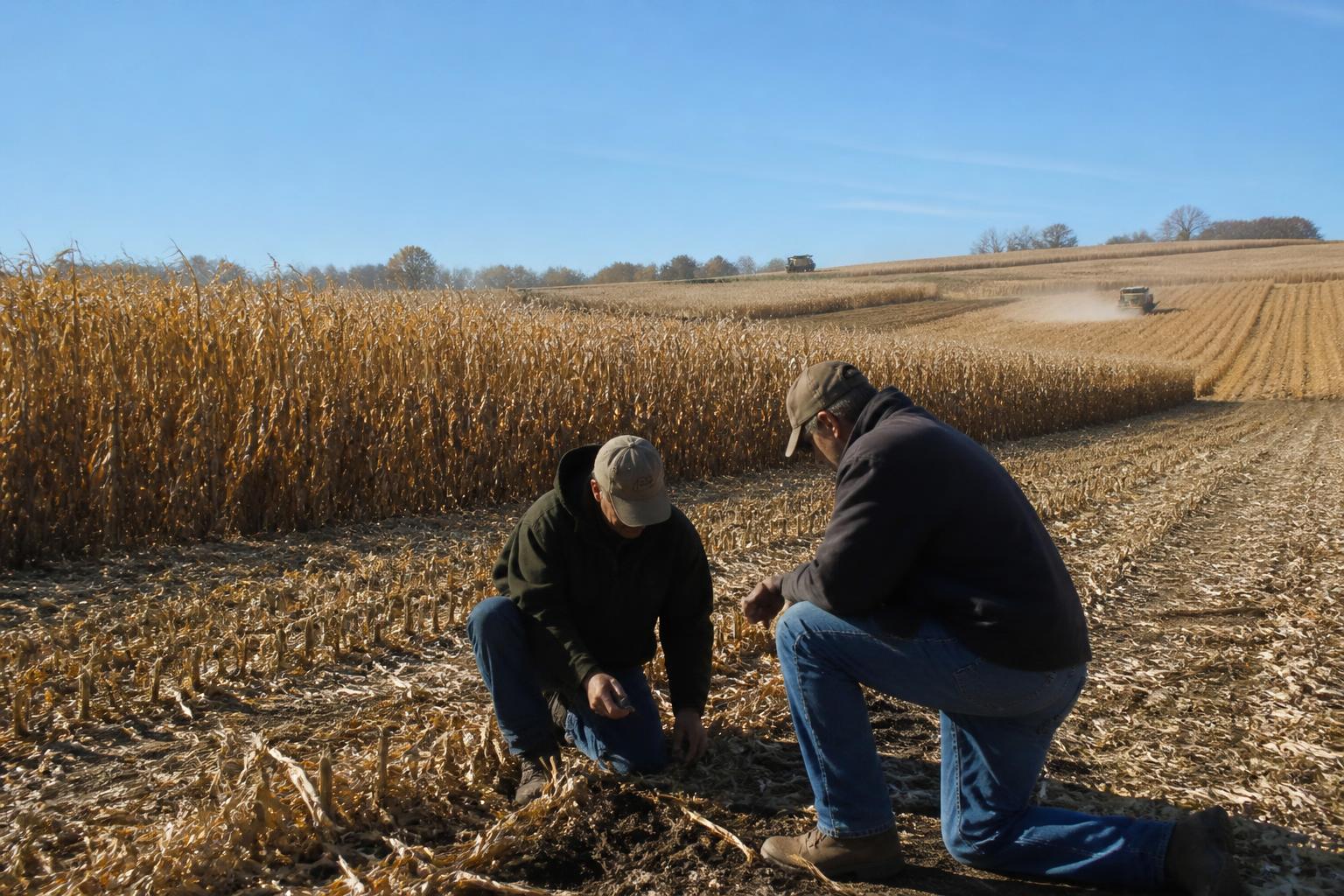
The agricultural landscape across Iowa is facing a period of heightened scrutiny as harvest operations ramp up. For many producers, the focus is split between managing the logistical demands of the season and navigating a complex economic environment characterized by tightening margins and calls for increased transparency in input supply chains.
As operations continue to monitor the efficiency of their fields and harvest workflows, broader market pressures are becoming increasingly apparent. Producers and agribusinesses alike are looking for stability amid reports of rising costs and competitive friction within the fertilizer and equipment sectors, highlighting the need for careful financial oversight as the season progresses.
Addressing Market Transparency
Recent discourse in the state has emphasized the need for greater oversight regarding fertilizer availability and pricing. There is growing interest among Iowa farmers in ensuring that market practices remain fair, with industry groups and producers urging regulatory attention to mitigate potential monopolistic behavior that could further strain operational budgets. Maintaining reliable access to inputs is vital for long-term viability, and many producers are actively advocating for policies that foster a more open and equitable marketplace.
Logistical Readiness and Future Planning
Beyond current market volatility, Iowa's infrastructure and logistical networks remain a critical point of operational success. As farmers coordinate the movement of grain from rural elevators to regional processing hubs, efficiency in grain marketing and logistics continues to be a primary lever for managing the current economic squeeze. Stakeholders are balancing immediate storage and transport needs with a focus on long-term investment in sustainable and reliable practices.
What it means for the market
For Iowa producers and grain handlers, this fall is defined by a dual focus on tactical harvest efficiency and strategic navigation of an evolving policy environment. Strengthening local market relationships while remaining diligent about input costs will be essential for navigating the current economic cycle and preparing for the upcoming spring season.
Comments
No comments yet - be the first to share your take.