
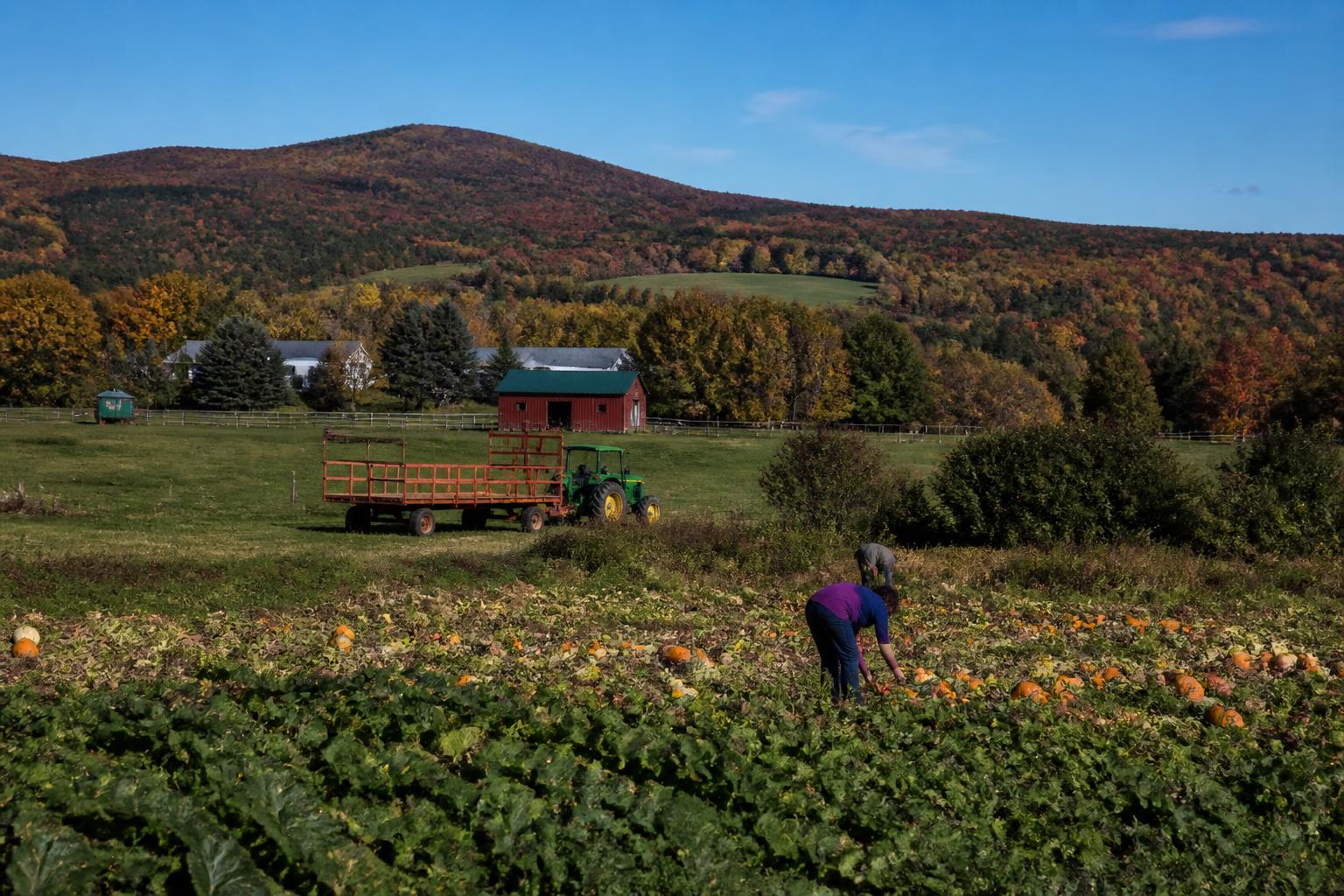
With the autumn harvest in full swing across New Hampshire, growers are shifting their focus from field production to the critical stages of storage and logistics. The current season brings a unique set of challenges and opportunities for regional agribusinesses looking to balance high-quality output with the logistical demands of moving goods across the state's diverse agricultural landscape.
Efficient handling often starts with the infrastructure at the farm gate. For those managing grain or specialized produce, the condition of storage facilities is paramount. Producers are currently evaluating their handling equipment, including the state of hoppers and storage liners, to ensure that flow remains consistent and spoilage is minimized as temperatures begin to drop. Properly maintained storage systems can often be the difference between maintaining premium market quality and facing losses during the transition to winter storage.
Refining Seasonal Logistical Workflows
As navigating operational challenges becomes a daily reality, local growers are increasingly scrutinizing their transport routes. With the influx of seasonal traffic related to fall tourism and foliage festivals across New Hampshire, road congestion can impact delivery windows for farm-to-market supplies. Carriers and agribusinesses typically look to synchronize their movements outside of peak tourist hours, utilizing secondary corridors when major highways become restricted or heavily trafficked.
Furthermore, the trend toward year-round production, such as adopting advanced precision tools, necessitates a more robust approach to facility management. Growers are not only looking at immediate storage needs but are also conducting energy efficiency audits to prepare their greenhouses and storage buildings for the coming cold. These operational refinements help ensure that the energy inputs used during the growing season are preserved rather than lost through aging infrastructure.
Strengthening Market Resilience
Beyond individual farm efforts, the broader market context continues to evolve. As producers navigate seasonal volatility, many are finding that diversification and efficient resource management are key to long-term viability. Whether participating in local food initiatives or scaling up organic operations, the ability to protect and transport harvest assets reliably remains the backbone of the state's rural economy.
What it means for the market
For New Hampshire agribusinesses, the current focus on storage integrity and logistical planning is essential for maximizing seasonal profits. By proactively managing grain and produce handling, and staying mindful of regional traffic patterns during the busy fall season, producers can reduce operational downtime and ensure that their crops reach buyers in optimal condition. Those who invest in efficient, energy-conscious storage solutions now are better positioned to weather the upcoming winter market shifts.
Comments
No comments yet - be the first to share your take.