
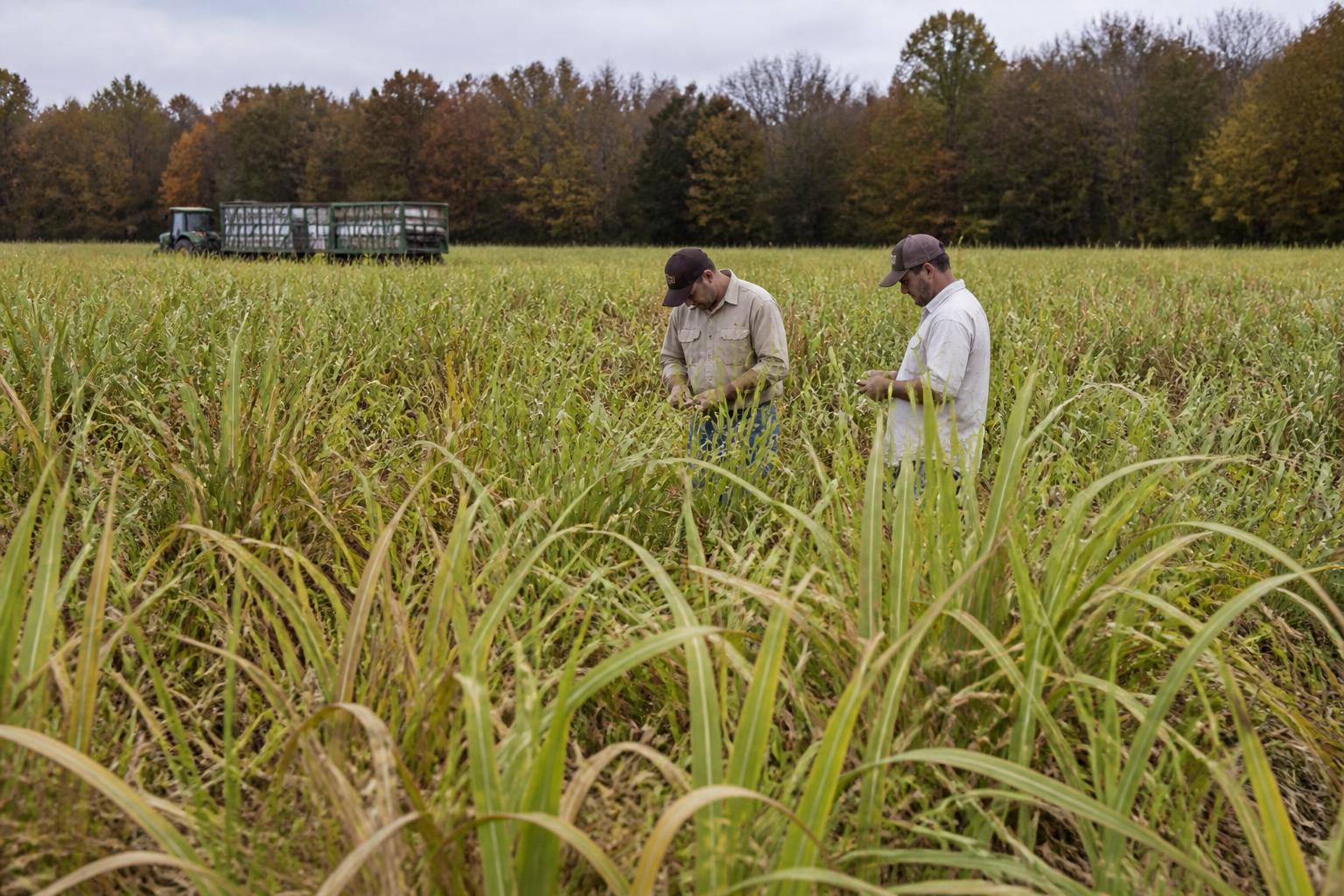
As Louisiana farmers advance through the fall harvest, recent reports indicate that invasive mealybug populations are creating new management challenges for the state's sugarcane producers. Despite a generally optimistic crop outlook, these pests can impact plant health and yield quality if left unchecked, necessitating diligent scouting in fields from the Bayou Teche region down toward the coastal parishes.
Managing Pest Pressure in the Field
Integrated pest management strategies remain the primary line of defense for growers addressing these infestations. Because mealybugs can spread quickly within and between fields, local experts often recommend focusing on early detection and consistent field monitoring. In some parts of the state, particularly in areas with higher humidity or specific field microclimates, these pests can find favorable conditions to thrive. Growers are encouraged to coordinate with agricultural advisors to determine if additional localized mitigation efforts are necessary during this critical harvest window.
Logistics and Market Context
While producers navigate these biological hurdles, the broader agricultural supply chain in Louisiana continues to function under typical fall pressures. Maintaining equipment efficiency and managing transit times remains essential as grain and sugar products move toward regional processing facilities and export hubs. Producers should stay informed on logistics and freight compliance requirements to avoid unnecessary delays during the busy harvest season.
Key Considerations
- Prioritize field scouting in areas historically prone to pest migration.
- Evaluate plant health indicators closely when assessing crop quality at the point of delivery.
- Maintain clear communication with transport providers to ensure timely movement of yields despite potential pest-related field adjustments.
What it means for the market
For the Louisiana sugarcane sector, the emergence of these pests represents a management cost that could influence net returns if widespread outbreaks occur. While the overall market remains stable, individual operations that prioritize early intervention may better insulate themselves from potential yield losses. Monitoring for further updates on pest spread and regional mitigation resources will be vital for producers over the coming weeks.
Comments
No comments yet - be the first to share your take.