
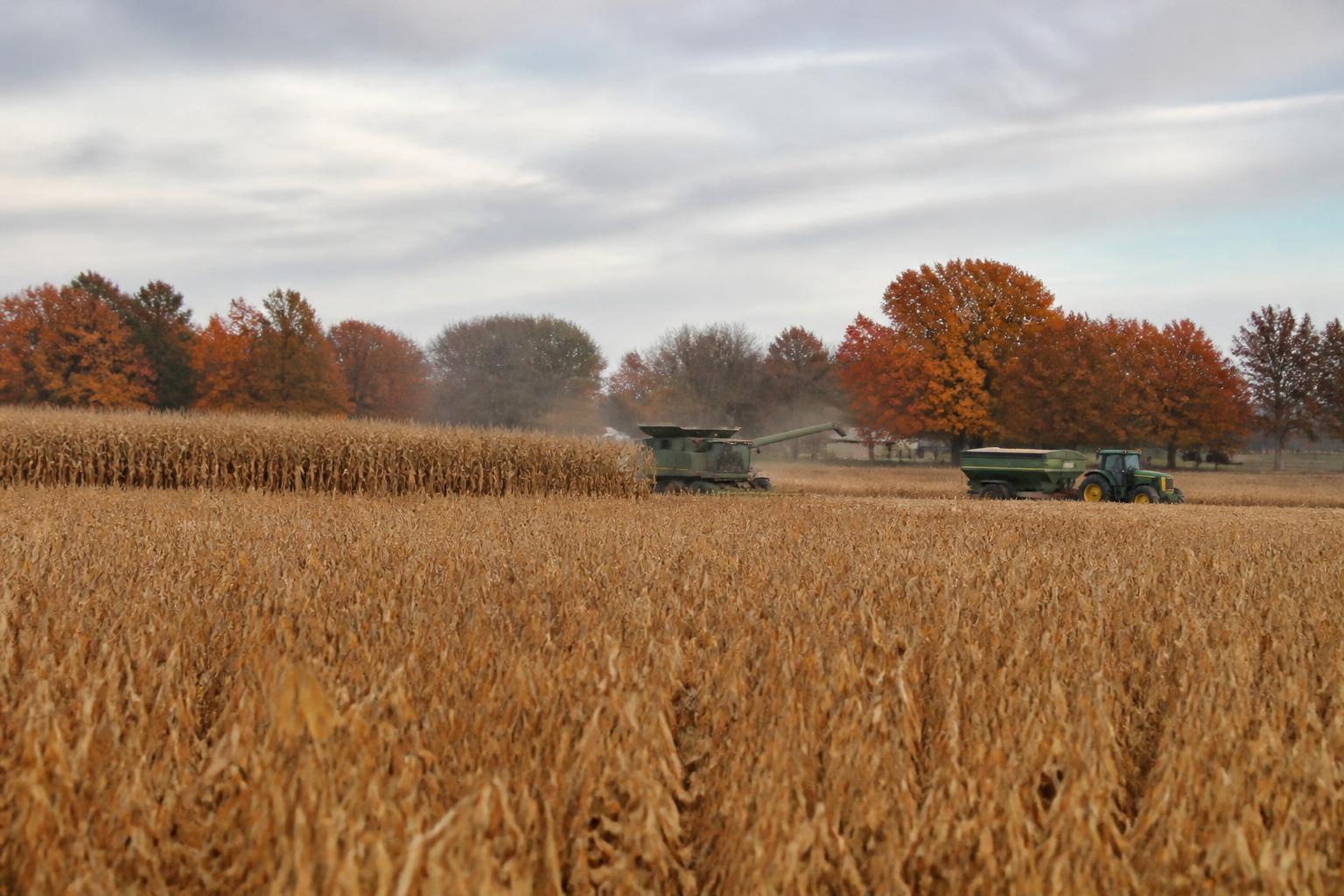
As Indiana producers move into the heart of the fall season, the focus shifts toward managing field-to-elevator logistics and addressing long-standing infrastructure challenges. With harvest activity intensifying, the necessity of maintaining efficient grain flow is paramount for farmers across the state's diverse agricultural regions.
Effective logistics strategies are currently at the center of planning for many operations. From the corridors of northern Indiana to the rolling landscapes of the southern counties, the movement of grain depends on reliable equipment performance and clear communication with local storage facilities. Producers continue to navigate these complexities by optimizing load-out schedules to avoid peak congestion at grain elevators.
Infrastructure and Regional Growth
Beyond the immediate demands of the harvest, there is continued interest in the state's broader agricultural footprint. Recent developments, such as the introduction of new biosciences facilities in counties like Jasper, signal a commitment to expanding the regional supply chain. These additions, coupled with ongoing research partnerships at institutions like Purdue, aim to support Indiana producers with better access to technology and specialized resources.
Managing Seasonal Pressures
The realities of modern farming in Indiana often involve adapting to shifting climate patterns and evolving land-use pressures. As growers work through the current season, they are balancing the urgency of the harvest with the long-term goal of protecting farmland. Maintaining consistent, high-efficiency operations remains the most practical way for agribusinesses to offset rising input costs and environmental variables.
What it means for the market: For carriers and grain handlers, the priority is to maintain fluid transport lanes during the peak of the harvest. Farmers who secure consistent logistics partnerships now may be better positioned to handle the seasonal volume while minimizing downtime during this critical window of operation.
Comments
No comments yet - be the first to share your take.