
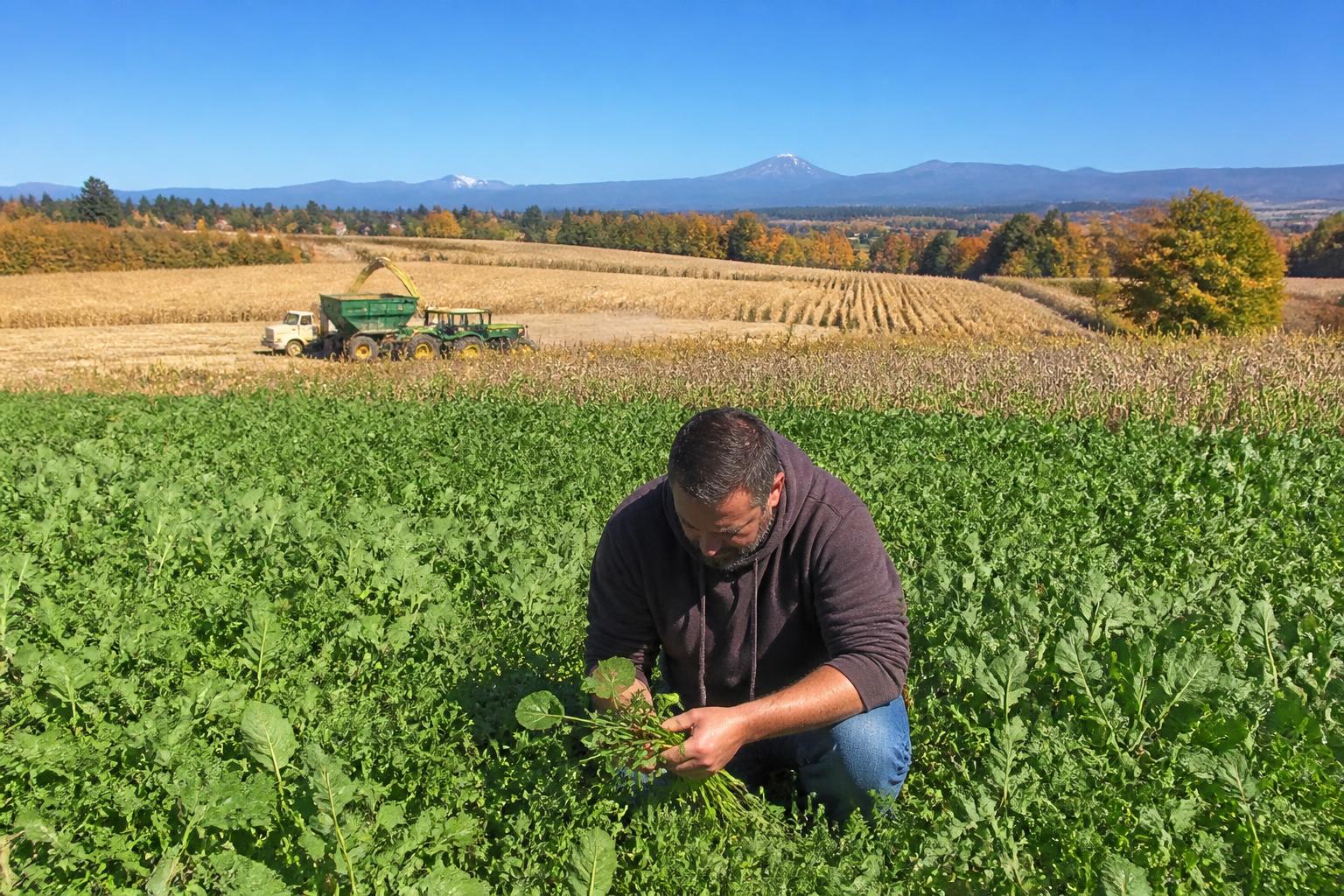
With the harvest season well underway across Oregon, agricultural producers are shifting their focus toward essential fall field management. While attention often turns to yield reports and local grain terminal throughput at Pacific ports, the underlying need for vigilant crop protection remains a constant priority for the region's diverse farming operations. Whether managing potential threats in specialty crops or preparing soil for the coming cycle, the practical focus remains on stabilizing production costs and maintaining long-term field health.
Navigating Evolving Pest Pressures
In many parts of the state, late-season scouting is crucial as producers manage ongoing pest threats. For instance, the presence of the vine mealybug continues to necessitate careful monitoring in Oregon vineyards, where early detection and appropriate management of pest pressures can prevent significant damage. Beyond the vineyard, the broader agricultural community remains highly attuned to how shifting regulations and environmental monitoring efforts influence their ability to respond to localized infestations.
Input Efficiency and Regulatory Awareness
As the industry navigates the current economic climate, input costs remain top-of-mind for many operators. Discussions surrounding fertilizer access and the broader regulatory environment in Salem and Washington continue to shape the way local agribusinesses structure their purchasing and application strategies. For growers, this means prioritizing precision and efficiency, ensuring that every dollar spent on inputs provides a measurable return in the field.
A Focus on Soil Health
Innovation continues to play a role in seasonal operations, particularly as more Oregon producers explore advancements in cover crop technology. By integrating these systems, growers are finding new ways to protect soil integrity during the wetter months ahead, potentially reducing the need for aggressive chemical inputs in future seasons. This proactive stance on land stewardship is consistent with the long-term view many family farmers take to preserve their operational resilience.
What it means for the market
For grain handlers, input suppliers, and carriers, the current period represents a crucial window for logistics coordination and cost management. As producers finalize their fall application strategies and move commodities toward regional distribution hubs, the ability to navigate regulatory landscapes and maintain operational efficiency will be the primary driver of market stability. Producers are encouraged to stay informed on local oversight developments to ensure their farm-gate logistics remain optimized through the winter transition.
Comments
No comments yet - be the first to share your take.