
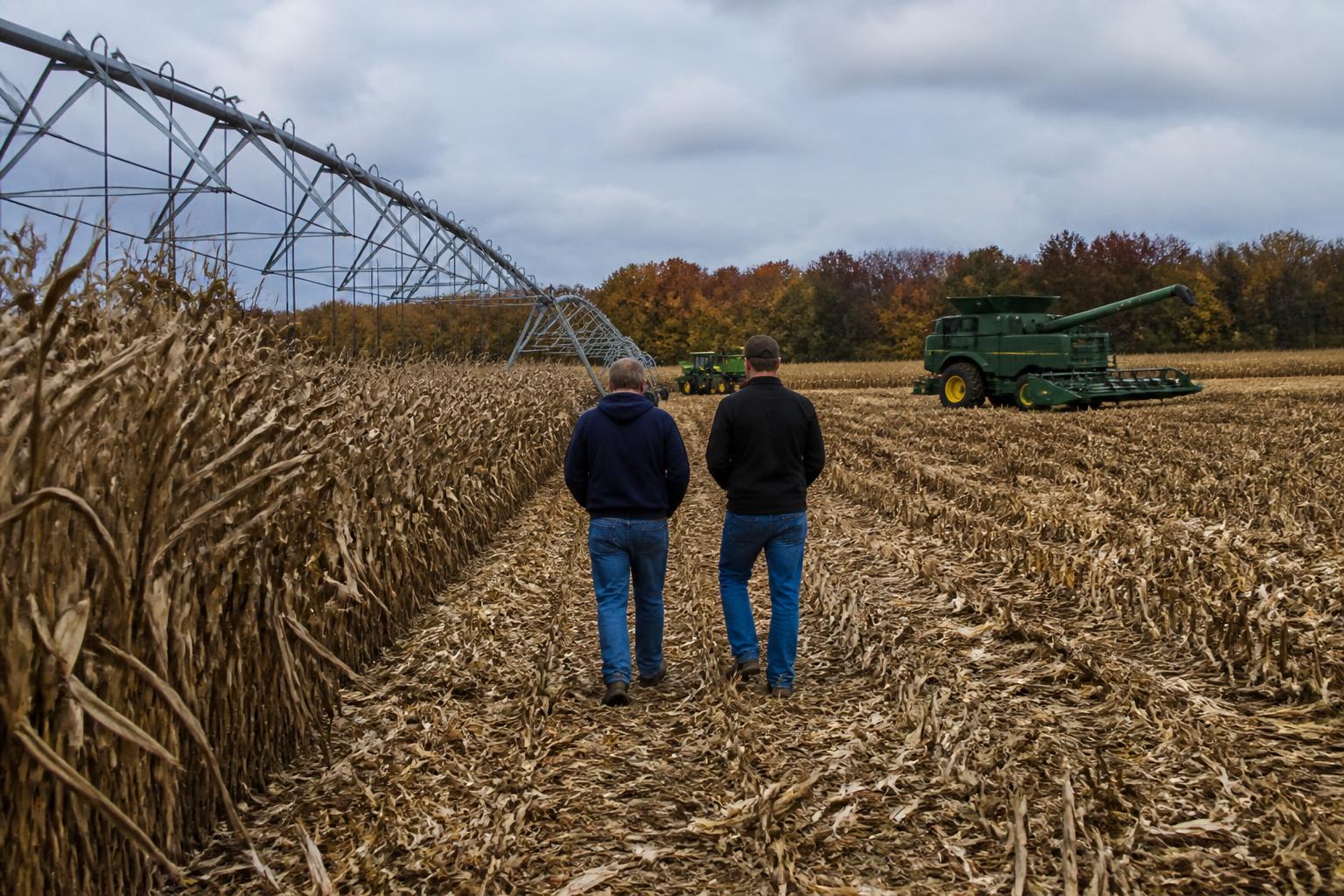
As Ohio producers progress through the fall harvest, the window for effective nutrient application is increasingly influenced by the season's weather patterns. Following a notably wet August, many growers are reassessing their soil health and optimizing equipment efficiency to manage fertility requirements for the next planting cycle.
With ongoing discussions regarding input costs, farmers continue to monitor regional shifts in the procurement landscape. The balance between maintaining robust fertility programs and managing overhead remains a central focus for agribusinesses across the state, particularly as market volatility persists in the broader commodities sector.
Managing Nutrient Logistics
Logistical reliability continues to serve as a cornerstone for successful fall programs. Producers in key agricultural counties are keeping a close watch on regional infrastructure, recognizing how local transit and terminal availability can impact supply stability. Strategic supply chain updates along the river have provided some support, yet managing the timing of product arrival remains critical as fieldwork intensifies.
Looking Toward 2026
As the industry gathers at events like the Farm Science Review, the focus is shifting toward long-term efficiency. Balancing soil testing results with current economic forecasts is helping many Ohio operations refine their input strategies. Maintaining flexibility in application plans may be a key advantage as growers finalize their decisions during the final stretch of the fall season.
What it means for the market
For grain handlers and input buyers, the current environment necessitates proactive planning. With harvest timelines fluctuating due to earlier moisture levels, keeping an open line of communication with local dealers regarding product availability and application windows is essential for minimizing potential bottlenecks and ensuring that fertility objectives are met without compromising field access.
Comments
No comments yet - be the first to share your take.