
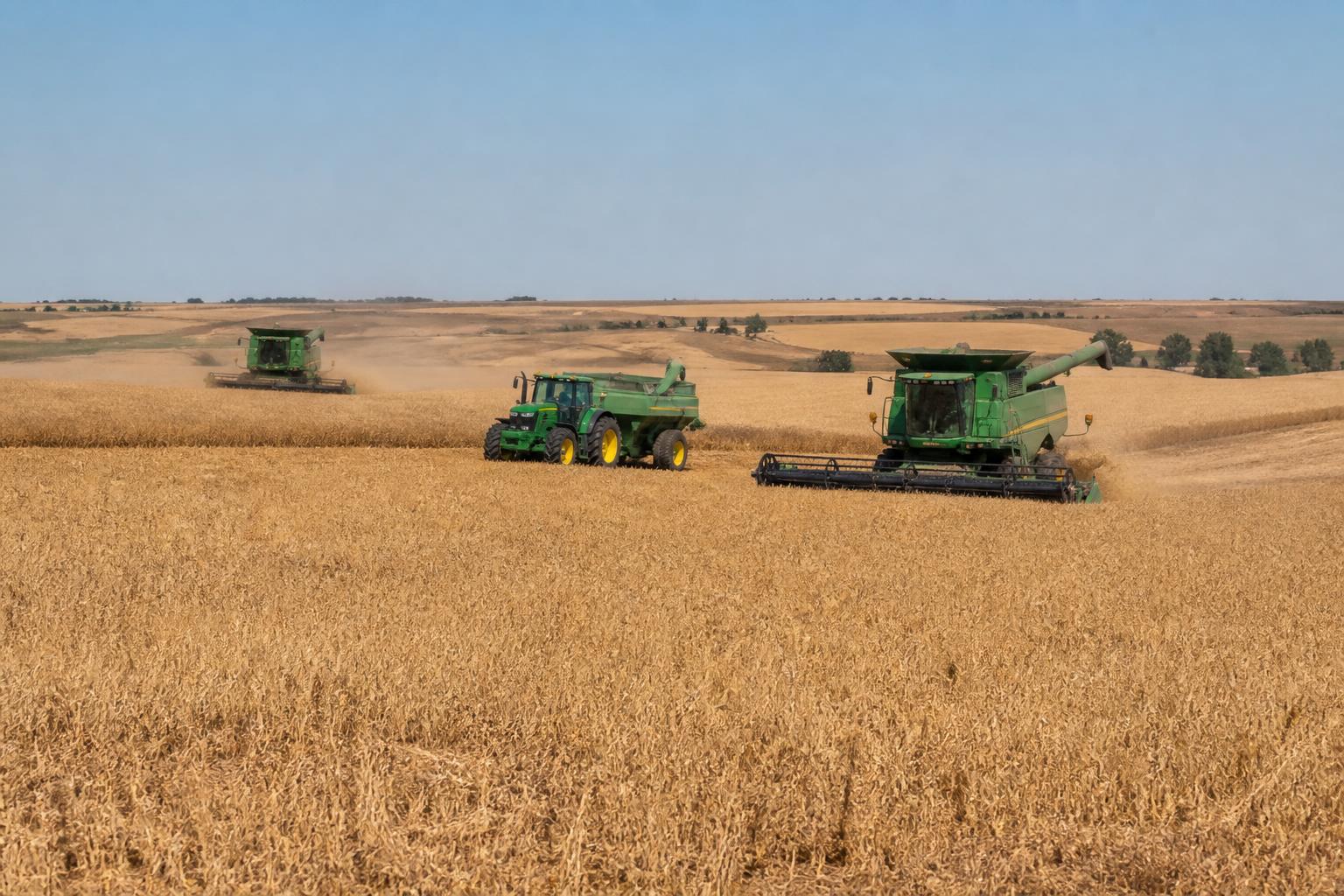
With the harvest season well underway across Montana, agricultural producers are balancing the final push of field work with the long-term management of environmental and biological threats. While many operations are currently focused on grain movement and storage logistics, the ongoing pressure from pests remains a critical concern for those managing rangeland and cropland.
For growers across the state, maintaining crop health and protecting yields involves more than just harvest timing. Integrated pest management strategies are essential as populations of insects continue to impact field stability. Ongoing research into biocontrol methods, including the use of pest-fighting fungi, offers potential relief for producers looking to mitigate damage without relying solely on traditional chemical applications.
Strategic Protection for Montana Operations
Beyond immediate pest threats, long-term farm resilience is a growing focus for many families. Whether it is through land conservation efforts or navigating broader operational risks, securing the future of agricultural holdings is a top priority this season. As state resources and federal funding for rural infrastructure continue to be evaluated, producers are encouraged to leverage available guides for succession planning and risk management to ensure that family legacies remain protected for the next generation.
What it means for the market
For grain handlers and local agribusinesses, the current environment necessitates a cautious approach to inventory and risk. As harvest nears completion, the persistent challenge of pest pressure and the rising interest in conservation-based farm management suggest a market that is increasingly prioritizing operational sustainability and long-term asset protection alongside short-term production yields.
Comments
No comments yet - be the first to share your take.