
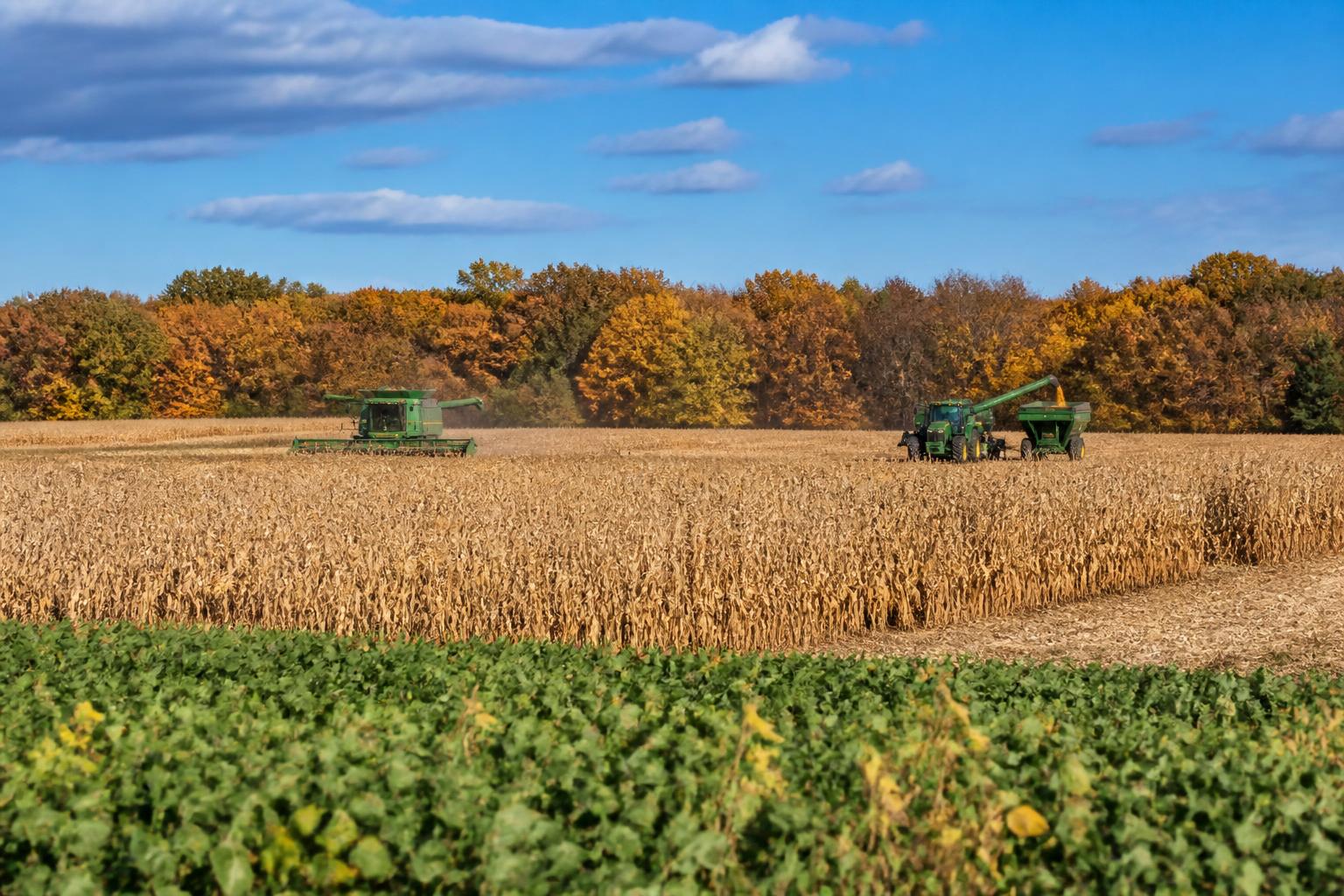
The Missouri harvest is currently in full swing, bringing a critical period for both producers and logistics partners. Following a growing season that saw significant variability—from pockets of intense, localized moisture in the northwest to extended dry periods in the Bootheel—farmers are now balancing the urgency of the harvest with the need for vigilant crop protection.
As corn and soybean fields reach maturity, maintaining grain quality becomes the primary goal. Ensuring that storage facilities are prepared and that transportation routes are clear remains essential for maintaining margins during this high-traffic season. Whether you are operating in the fertile bottomlands or the rolling fields of central Missouri, monitoring for late-season disease and managing grain moisture levels can prevent unnecessary losses at the elevator.
Prioritizing Stewardship and Efficiency
Maximizing yield at this stage often requires more than just machinery capacity; it demands a disciplined approach to stewardship. Producers are increasingly turning to precision agriculture to manage input variables, which has become vital as farmers navigate ongoing field conditions and crop protection requirements. Beyond the field, coordination between grain handlers and carriers is intensifying, especially as primary highway corridors see an uptick in heavy vehicle traffic typical of the autumn season.
Logistical Considerations for the Fall Season
In many parts of Missouri, the combination of harvest timelines and infrastructure constraints can create bottlenecks. Regional agribusinesses often recommend that growers establish clear communication lines with local elevators regarding receiving hours and storage capacity. With fluctuating market signals influencing sale timing, having a robust plan for both grain movement and onsite storage is helping many operations maintain flexibility in an uncertain environment.
What it means for the market
For the broader market, the successful transition of Missouri crops from field to storage is a key indicator of state-level supply stability. While international policy adjustments—such as the recent EU decisions regarding biofuel feedstocks—continue to influence the long-term outlook for soybean demand, the immediate focus for local participants remains on harvest efficiency. By mitigating field risks and optimizing logistical handoffs, stakeholders can better insulate their bottom lines against seasonal price volatility.
Comments
No comments yet - be the first to share your take.