
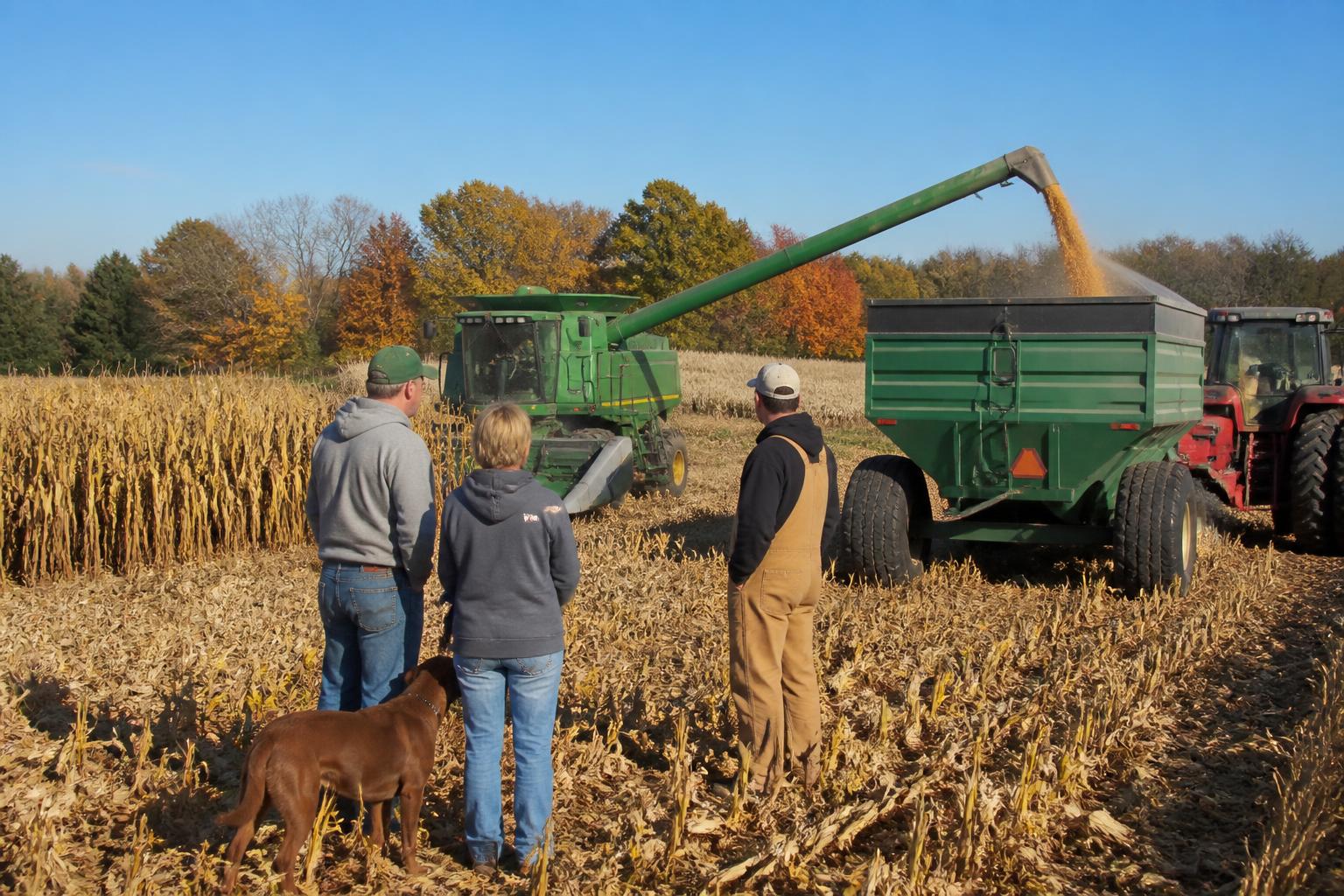
As Illinois fields reach peak activity this October, the focus for many operations is shifting from yield monitoring to navigating the broader economic realities of the current season. While the immediate priority remains efficient grain handling, producers are also contending with persistent concerns surrounding global trade stability and the long-term impact of potential supply chain disruptions on localized profitability.
For those managing operational expenses, the volatility in input procurement remains a significant variable. Balancing current cash flow needs with the necessity of planning for the next planting cycle requires a careful evaluation of how national policy shifts and international export challenges might influence local resource availability. Many growers in the central and northern regions of the state are closely watching regional infrastructure performance to ensure that grain, once harvested, can move efficiently through standard logistics corridors.
Navigating Economic Headwinds
Market uncertainty continues to weigh on the sector, particularly as global stock levels for key commodities fluctuate. In areas like the Champaign and Vermilion counties, where production is dense, the efficiency of grain storage and transport is critical to maintaining margins. Farmers are increasingly prioritizing direct collaboration with elevators and input suppliers to mitigate the risks associated with price instability and the potential for restricted funding environments.
The Road Ahead
Beyond the logistical demands of the season, there is a growing recognition of the need for resilience in the face of shifting market dynamics. Whether it is refining long-term trade strategies or adapting to new realities in equipment and input service, the Illinois agricultural community continues to rely on localized networks to navigate broader national trends. As we move further into the fall, the emphasis remains on securing operational sustainability while managing the day-to-day pressures of a demanding harvest.
What it means for the market
Producers should continue to emphasize liquidity and inventory management as the industry adjusts to tighter global stock-to-use ratios. With potential for continued volatility in trade policy, maintaining strong relationships with local input providers and logistical partners will be essential for navigating the coming months. Staying informed on regional policy developments can offer a competitive edge in planning for the upcoming fiscal year.
Comments
No comments yet - be the first to share your take.