
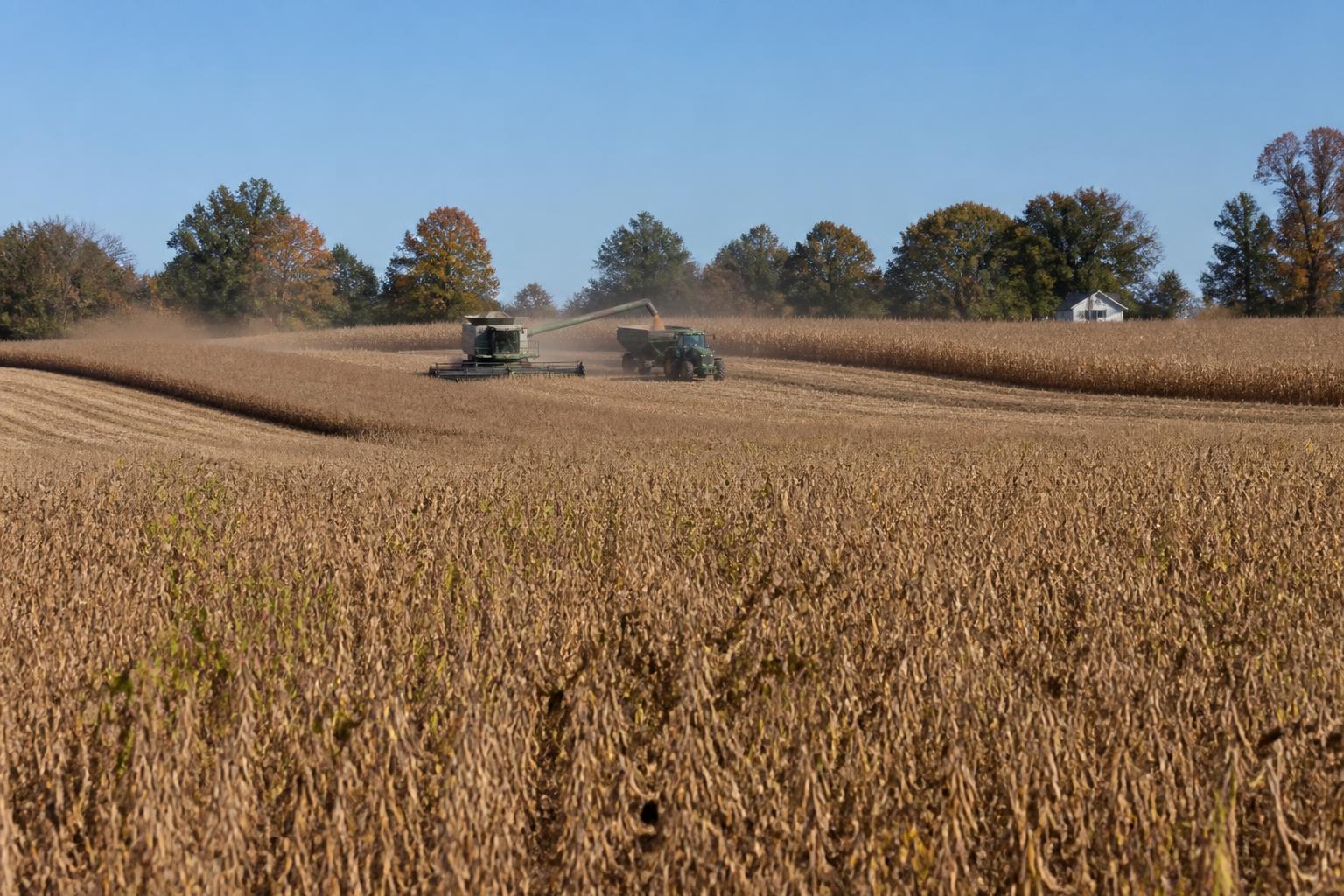
With the autumn harvest season in full swing across Delaware, farmers are keeping a close watch on both local yields and broader market signals. Recent downward pressure on grain prices, often fueled by global supply reports, has many growers re-evaluating their bottom-line strategies. Managing input costs remains a central theme, as the industry continues to navigate the complexities of balancing effective crop protection with potential market volatility.
Input Efficiency and Farm Resilience
Efficient management of soil health and crop resilience continues to be a priority for Delaware growers. Whether dealing with nutrient runoff concerns or maximizing yields through disease-resistant varieties, maintaining healthy crops is vital during this competitive season. Some regional agricultural operations have successfully integrated practices that support both productivity and land stewardship, ensuring that the local ecosystem remains productive despite shifting economic conditions.
Adapting to Industry Changes
The business environment for Delaware agriculture is also in a state of transition. With significant shifts in the corporate landscape, including major agribusiness departures from the state, local farmers are encouraged to maintain robust relationships with their input suppliers. Ensuring consistent access to high-quality crop protection products and fertilizer is essential for long-term planning, particularly as growers prepare for the upcoming seasons and look for ways to mitigate the impact of persistent price pressures.
Key Takeaways for Producers
- Monitor grain price fluctuations closely and assess storage options to manage cash flow.
- Prioritize investments in high-performing, disease-resistant seed varieties to minimize future crop protection needs.
- Evaluate regional supply chain availability for inputs to avoid potential logistical bottlenecks during peak planting or treatment windows.
What it means for the market: For Delaware agribusinesses and producers, the current environment is defined by the need for agility. While global factors continue to influence commodity prices, a commitment to efficient resource management and proactive input planning can provide a buffer against uncertainty, keeping local operations competitive through the end of the year.
Comments
No comments yet - be the first to share your take.