
Regional Infrastructure and Market Expansion
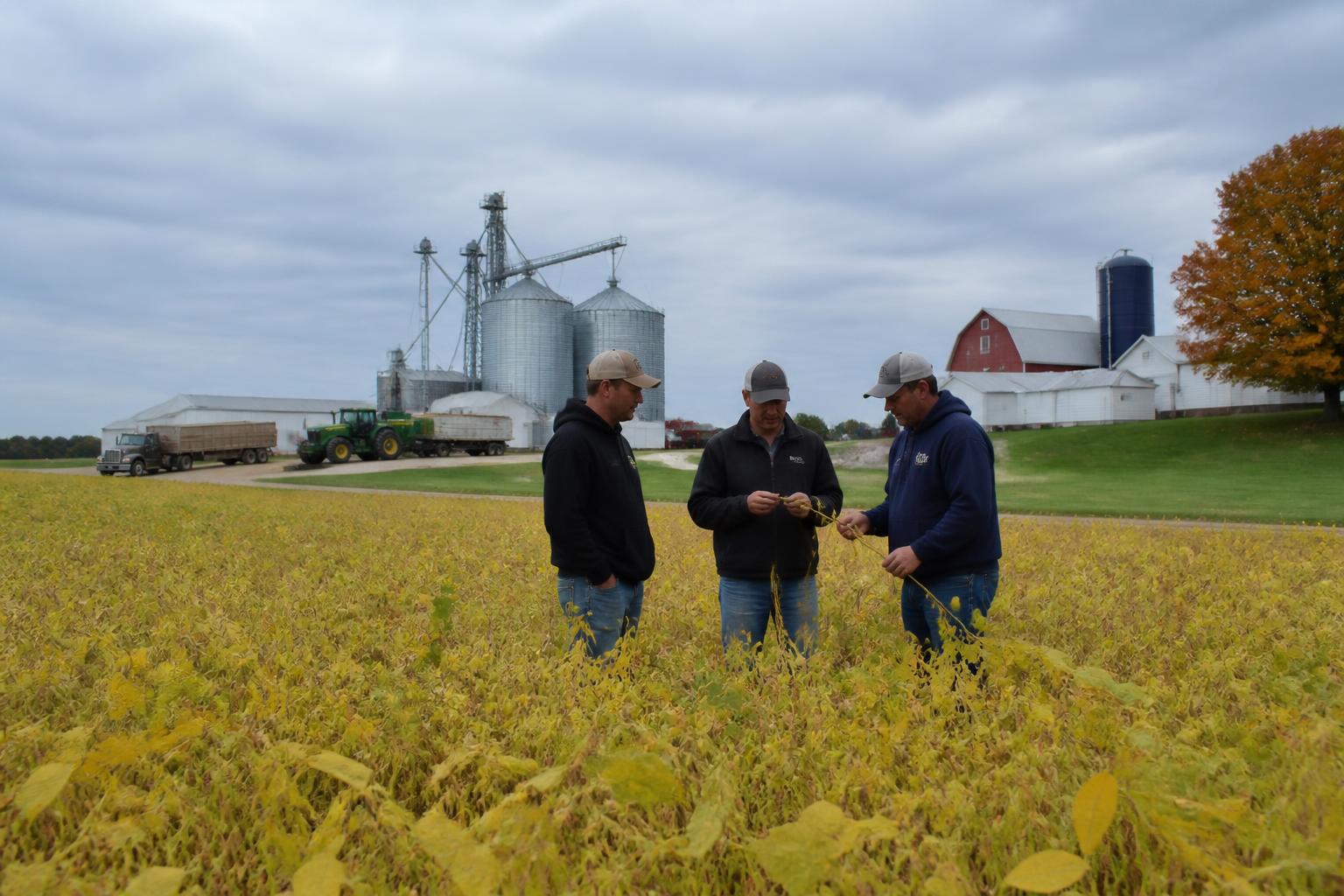
The Wisconsin agricultural landscape is currently seeing significant developments in processing capacity, most notably the forthcoming soybean crush facility in Evansville. This investment is poised to provide a more localized outlet for regional producers, potentially streamlining the supply chain and altering traditional delivery routes for grain handlers throughout the southern part of the state.
For many local operations, this evolution in infrastructure arrives alongside ongoing shifts in trade policy. As farmers observe how recent shifts in import and export tariffs play out, the focus remains on maintaining operational resilience. These factors, combined with shifts in regional grain logistics, continue to influence how elevators and producers manage their seasonal storage and transport needs.
Managing Fieldwork and Seasonal Pressures
The current autumn season has brought a mix of favorable moisture and logistical hurdles. While recent rains have been beneficial for some crops, they have also slowed field access in various counties. Effective nutrient management and fertilizer logistics remain critical as producers look to finalize their plans for the upcoming year while navigating the realities of a busy harvest window.
Beyond the field, the state’s agricultural sector continues to grapple with broader challenges, including fluctuations in production expenses and the ongoing impact of animal health concerns, such as avian influenza, on the state’s livestock and egg production sectors. These pressures reinforce the importance of proactive input and cost management for sustained profitability in the current market environment.
What it means for the market
For Wisconsin agribusinesses, the combination of new processing infrastructure and evolving policy suggests a need for long-term strategic planning. As the harvest concludes, regional producers and logistics providers should prioritize flexibility in their supply chains, keeping a close eye on how local facility developments and national trade shifts intersect to impact regional basis levels and transport demand.
Comments
No comments yet - be the first to share your take.