
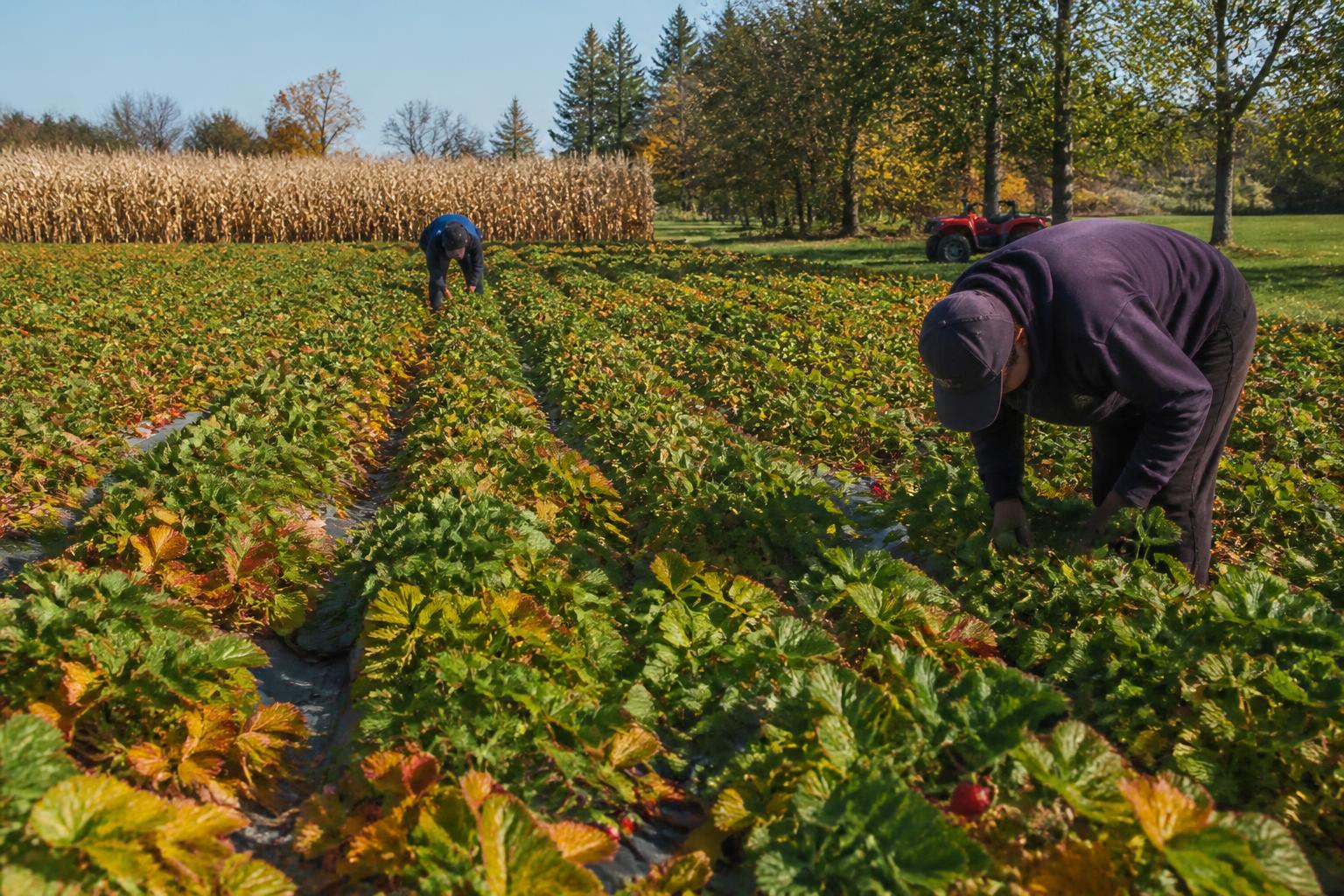
As California agriculture pushes through the busy fall season, the focus for many growers and input buyers remains fixed on balancing input costs with shifting production requirements. The market for essential crop nutrients is currently shaped by ongoing discussions regarding both economic pressures and the long-term sustainability of fertilizer applications across the state's diverse growing regions. With harvest activities hitting their stride, the demand for precision nutrient management remains a critical lever for profitability.
Regional stakeholders are paying close attention to both legislative updates and global market dynamics. Proposals such as the Fertilizer Research Act aim to shed light on the primary drivers behind cost volatility, providing a more transparent framework for farmers as they plan for future seasons. In areas where soil health is paramount, such as the Salinas and San Joaquin valleys, producers are increasingly exploring logistical efficiencies and microbial alternatives to manage saline conditions and nitrogen efficiency effectively.
Navigating the Regulatory and Economic Landscape
The regulatory environment in California continues to influence how agribusinesses source and apply inputs. Beyond cost considerations, there is a clear push for modernized stewardship practices that align with state goals for water and soil health. Farmers are balancing these requirements while monitoring broader economic indicators that influence capital allocation. The ability to maintain yields in a climate-sensitive state often depends on the strategic deployment of crop protection and nutrition resources, especially as trade conditions influence the broader export potential of California-grown commodities.
Planning for Future Input Stability
Looking ahead, the emphasis on data-driven decision-making is likely to intensify. Whether it involves adopting new biostimulant technologies or adjusting application timing to better coincide with local weather patterns, the goal remains the same: optimizing output per acre while remaining compliant with state-level mandates. As logistics chains remain under pressure during the height of the fall harvest, early planning for input procurement is advised to mitigate potential delays and price fluctuations.
What it means for the market
The current environment requires a disciplined approach to input procurement. For California growers, monitoring regional cost trends and engaging with local suppliers early in the planning cycle will be essential to mitigating the impact of market volatility. By focusing on efficient nutrient use and staying informed on the shifting regulatory landscape, agribusinesses can better navigate the complexities of the upcoming production year.
Comments
No comments yet - be the first to share your take.