
In the evolving landscape of Connecticut agriculture, maintaining crop health during the autumn months requires a proactive approach to biosecurity. As growers continue to manage seasonal shifts, invasive pests such as the spotted lanternfly remain a persistent threat to regional orchards and vineyards. With recent calls for increased funding to bolster containment and education efforts, local farmers are encouraged to prioritize scouting and monitoring routines to safeguard late-season harvests.
For those concerned with maintaining the integrity of their operations, consistent field surveillance is often the first line of defense. Effective management often involves coordinating closely with regional agricultural extensions to stay updated on current infestation thresholds. Integrating these practices helps maintain operational stability, much like the strategic planning required when seeking support through Connecticut Farm Transition Grants to ensure long-term farm viability.
Adapting to a Changing Agricultural Landscape
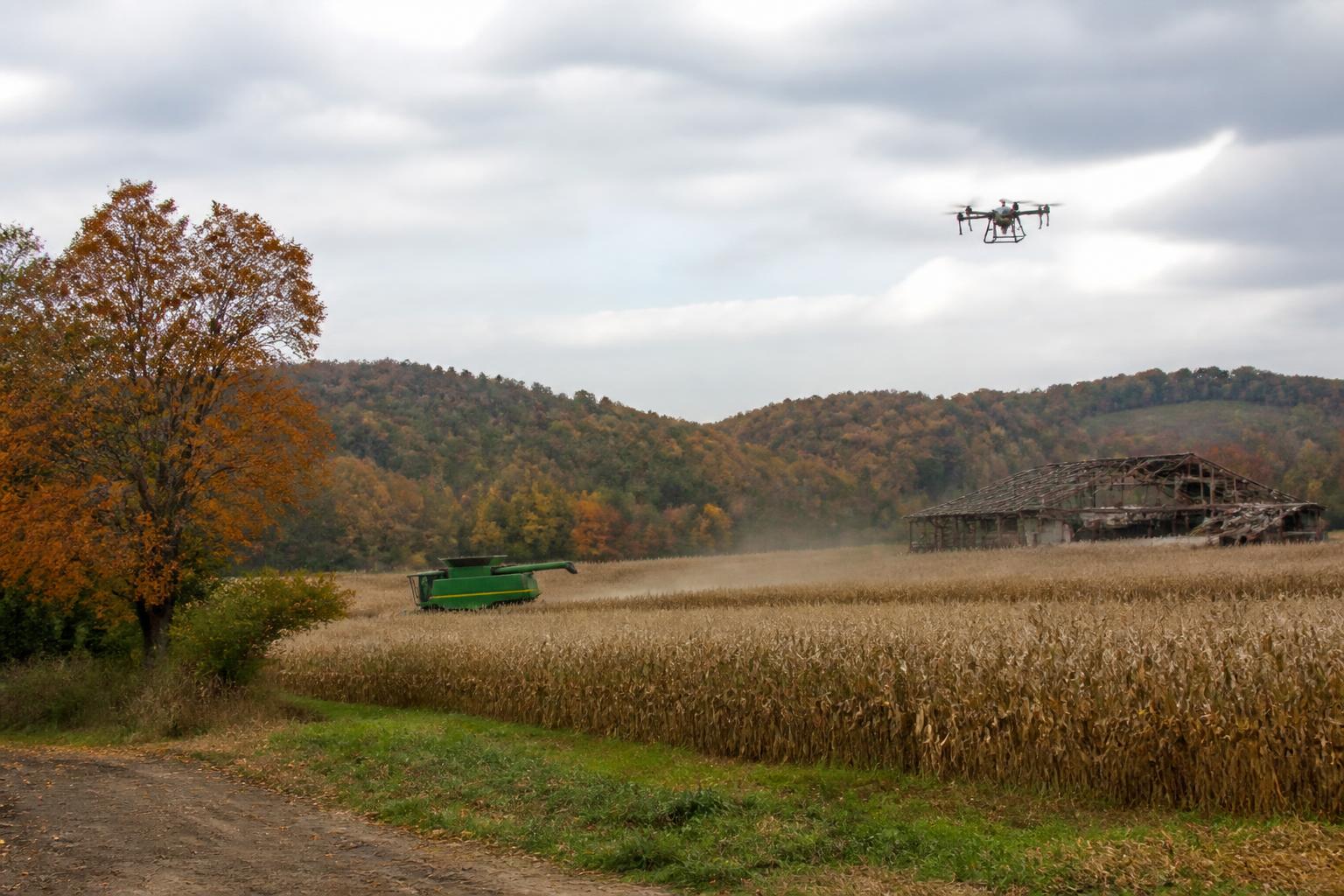
The state's agricultural identity continues to shift, exemplified by the changing infrastructure across our rural landscapes. Just as the demolition of legacy tobacco sheds marks a departure from traditional land use, modern growers must adapt to new biological and economic realities. Protecting existing assets against invasive pressures is essential to preserving the historical and economic value of Connecticut’s farmland.
- Increased Scouting: Monitor high-risk host plants for egg masses as cooler temperatures settle in.
- Logistics Planning: Stay informed on how seasonal transit patterns may influence the movement of supplies and potential spread of pests.
- Resource Allocation: Leverage available state-led initiatives to offset the costs of enhanced biosecurity measures.
For those managing diverse operations, balancing environmental protection with the need to address invasive pressures during fall transitions is key to a successful harvest season. Maintaining clear communication with local agricultural authorities can assist in identifying the most effective mitigation strategies for specific regions, from the Connecticut River Valley down to coastal growing zones.
What it means for the market
Farmers who prioritize early detection and aggressive management are better positioned to mitigate yield losses and avoid long-term environmental degradation on their properties. By keeping biosecurity at the forefront of their autumn workflow, producers protect both their current yields and the future health of their land, ensuring the state's agricultural sector remains resilient against emerging pest threats.
Comments
No comments yet - be the first to share your take.