
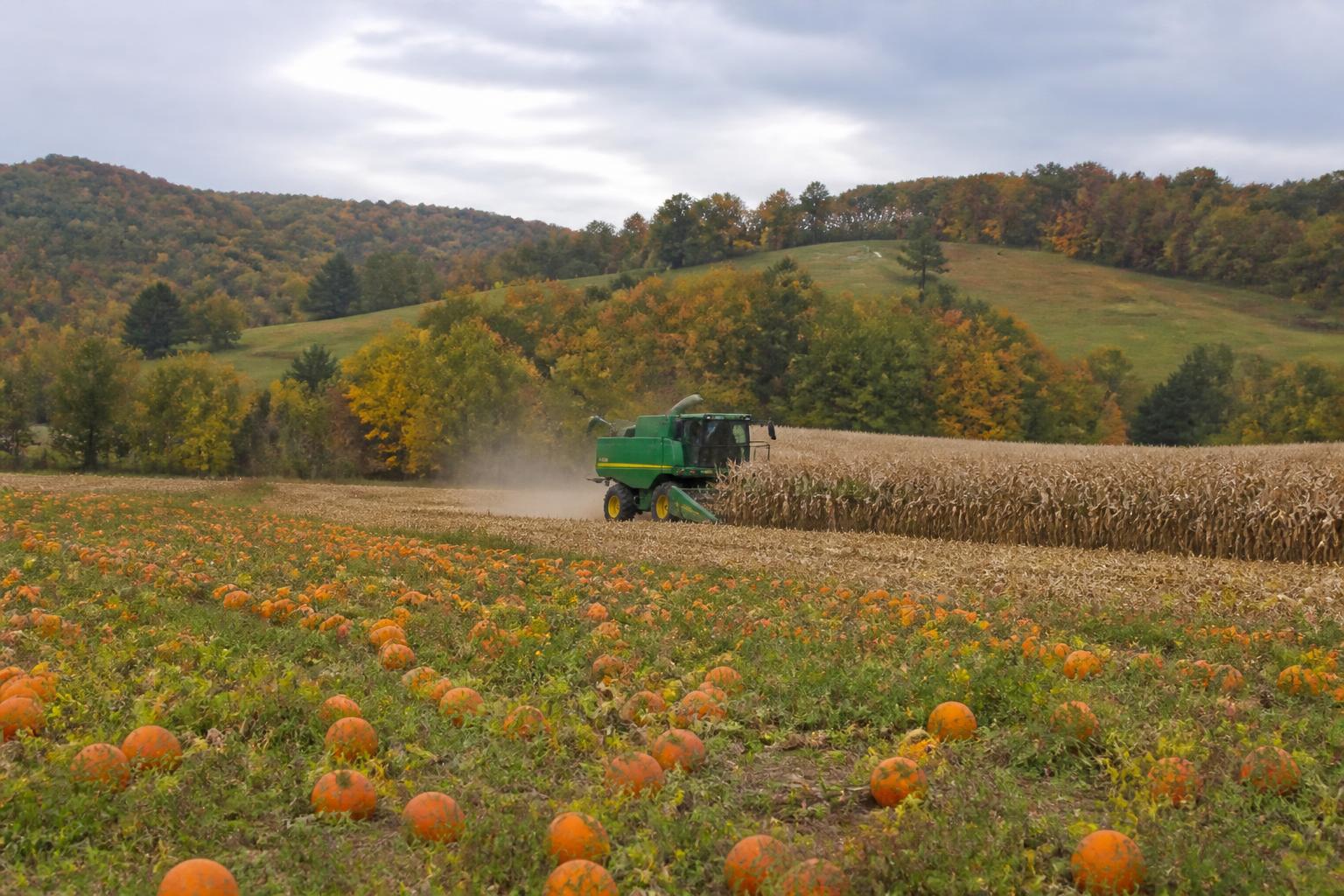
The arrival of October brings critical harvest momentum to West Virginia, requiring producers to maintain sharp focus on both yield quality and operational continuity. As growers navigate their fields, regional logistics remain a key variable, with road maintenance and infrastructure stability directly influencing the efficiency of moving grain and equipment.
Producers in northern and central regions, which have dealt with the lingering impacts of severe seasonal flooding, may continue to face localized logistical hurdles. Maintaining safe access routes is paramount, as delayed travel times or detours can tighten the window for clearing fields before late-season weather patterns shift. Effectively managing farm infrastructure risks during this period is essential for minimizing downtime and protecting the season's output.
Adapting to Operational Realities
Beyond weather-related logistics, agricultural businesses must remain responsive to the broader state economic environment. Whether dealing with shifting transport corridors or regional development projects, agility in supply chain management often dictates the bottom line. As industry shifts continue to reshape local landscapes, staying informed on current harvest season logistics remains a primary strategy for producers aiming to maximize efficiency throughout the fall cycle.
What it means for the market
For West Virginia agribusinesses, the current market climate emphasizes the importance of risk mitigation and proactive planning. By prioritizing maintenance on farm-to-market access points and maintaining flexible logistics schedules, producers can better navigate the complexities of this harvest season. Efficiency in regional transport is no longer just a convenience; it is a fundamental component of operational success as the industry enters the final months of the year.
Comments
No comments yet - be the first to share your take.