
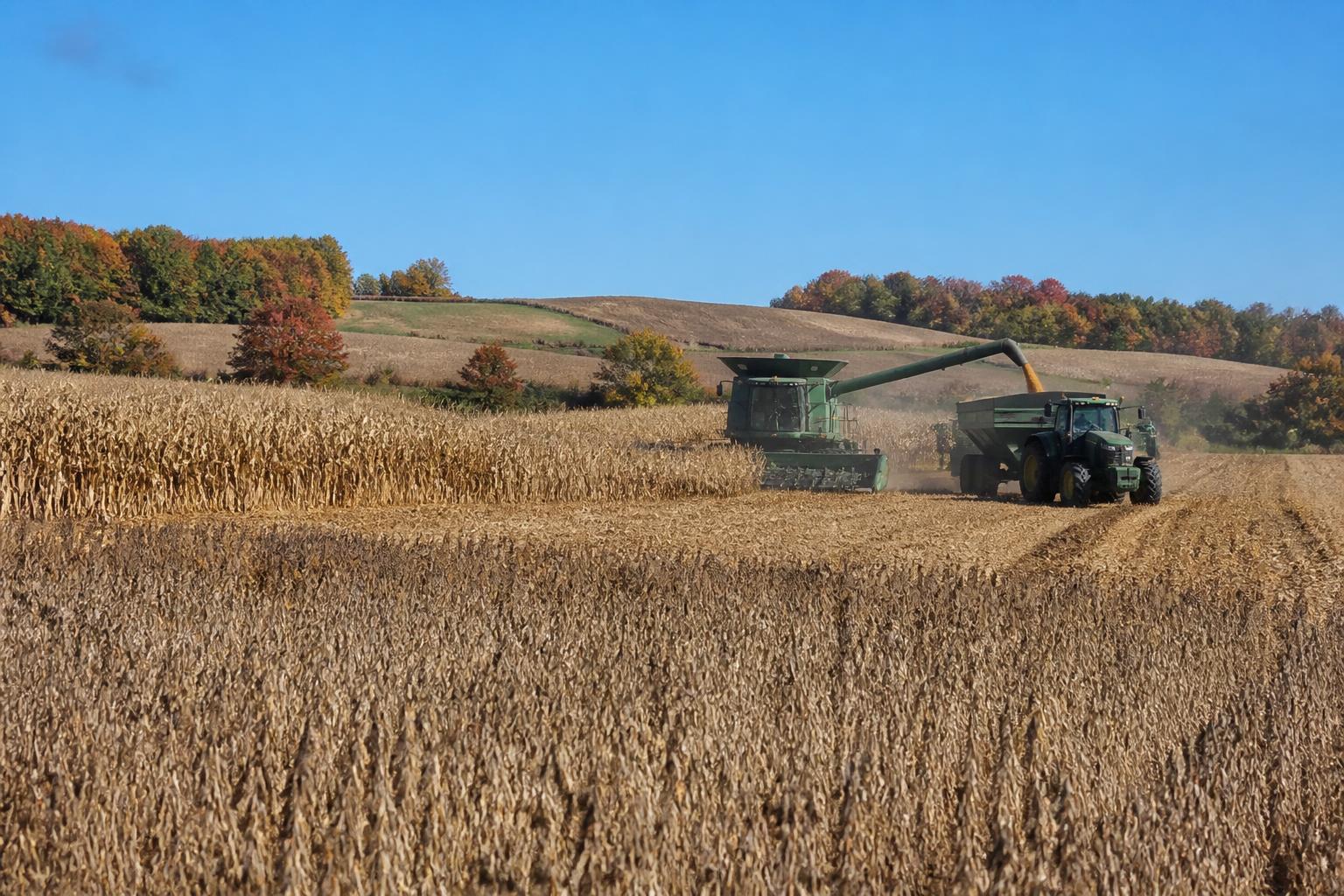
As the fall harvest accelerates across Minnesota, the focus for many growers shifts from production to the final logistics of field clearance and equipment sanitation. While market volatility continues to be a central topic of discussion at industry events, maintaining the long-term integrity of local farmland remains a priority. Recent findings of Palmer amaranth in Redwood County serve as a timely reminder that proactive field monitoring and strict biosecurity protocols are essential even during the busiest stretches of the season.
Protecting yield potential for the coming year starts with controlling the spread of invasive species during the current cycle. For operators managing multiple tracts or moving equipment frequently between regions, cleaning machinery between fields is a proven, if demanding, defense against weed migration. As you wrap up your harvest, integrating these hygiene practices into your routine can prevent costly issues that often emerge in the following spring.
Managing Field Inputs and Soil Health
The conversation around agricultural protection is evolving beyond simple weed control. Many farmers are exploring new, diverse crop rotations that not only support soil health but also create unique market opportunities. Incorporating alternative crops can provide a competitive advantage, allowing for a more robust approach to managing input costs while improving the overall resilience of the operation. By carefully balancing these management decisions, producers can better position themselves against the unpredictable fluctuations seen in broader grain markets.
For those interested in how these protective measures fit into broader farm management, our recent review on balancing soil stewardship and profit margins provides deeper insights into seasonal execution.
What it means for the market
For Minnesota agribusinesses and grain handlers, these field-level risks have long-term economic implications. Preventing the establishment of aggressive weeds and maintaining soil productivity helps safeguard the value of local land assets. As we move further into the fall, prioritizing field security alongside harvest throughput will be key to protecting the bottom line and ensuring regional agricultural competitiveness as we look toward the next planting season.
Comments
No comments yet - be the first to share your take.