
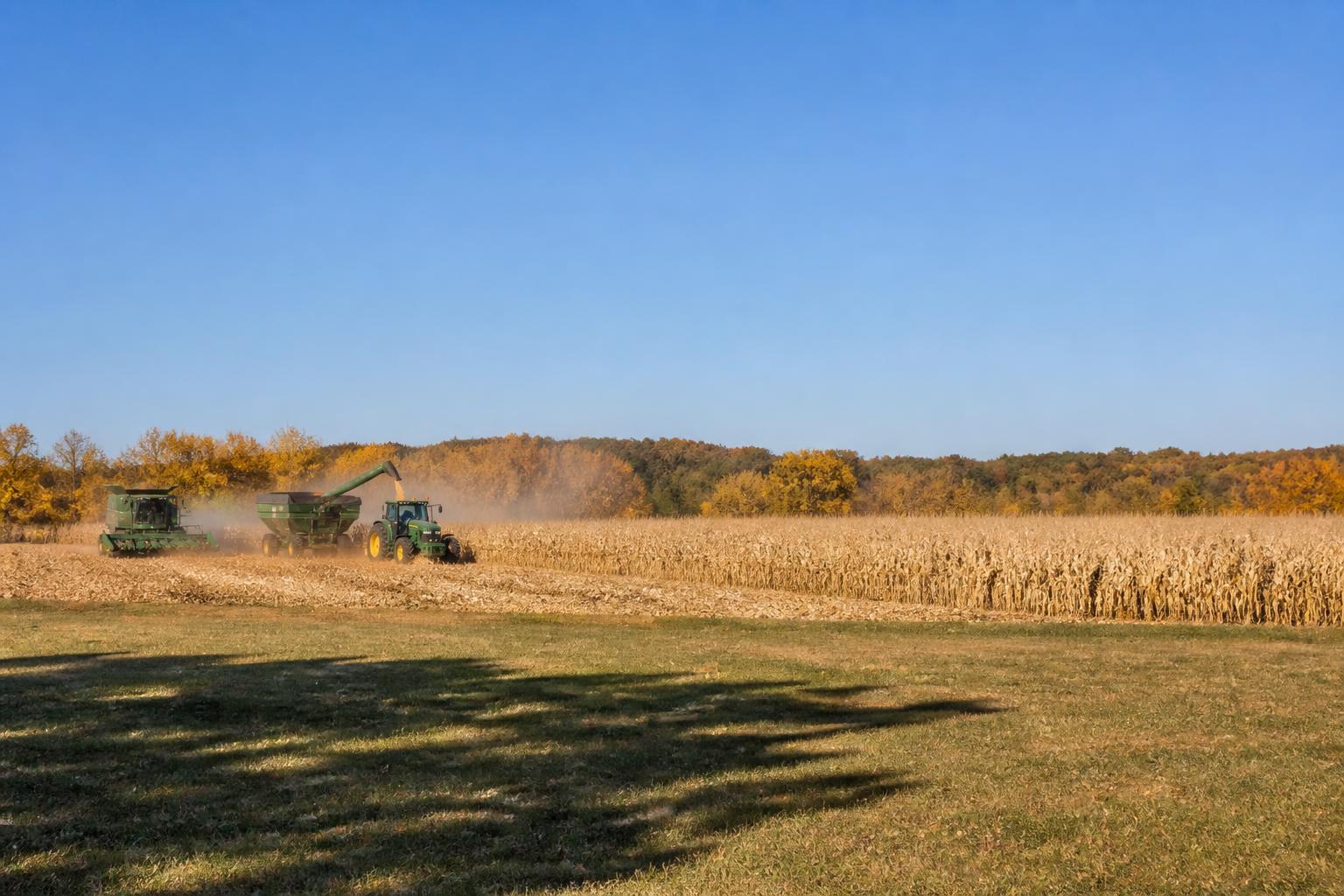
As the fall season progresses, Rhode Island producers are balancing the tail end of harvest activities with forward-looking input management strategies. For local growers, this time of year often involves preparing fields for winter dormancy and assessing the performance of the past season, particularly in specialized sectors like greenhouse and ornamental production. Managing the cost and application efficiency of inputs remains a priority, as market volatility continues to influence operational budgets across the region.
Agribusinesses across the state, from smaller family-operated farms to larger horticultural facilities, are increasingly attentive to how broader regional and national shifts impact their day-to-day logistics. For those managing inventory or coordinating the distribution of supplies, understanding the interplay between changing regulatory requirements and fall logistics and market realities is essential for maintaining a competitive edge during this transition period.
Adapting to Regulatory and Environmental Standards
Rhode Island agriculture is operating within a landscape increasingly shaped by environmental policy. Recent legislative focus on climate change mitigation is beginning to permeate how the industry approaches land and resource management. Growers are often finding it beneficial to stay informed on how these evolving rules might influence operational practices, from soil nutrient management to water usage, ensuring their practices align with both local requirements and long-term sustainability goals.
Input Efficiency and Precision Management
Beyond regulatory compliance, the focus on input efficiency remains sharp. For many, this includes refining how fertilizers and other essential supplies are procured and stored as prices and supply chains fluctuate. Whether you are dealing with local distribution centers or larger regional suppliers, optimizing the timing of input acquisition can mitigate some of the uncertainties inherent in the current market. Many producers are exploring ways to bolster their fertilizer access and management to ensure that upcoming planting cycles are well-supported without overextending capital early in the off-season.
What it means for the market
For Rhode Island’s agricultural community, the current market climate underscores the importance of operational agility. By integrating precise input management with a proactive approach to regional regulatory trends, agribusinesses can better navigate the complexities of the fall season. Staying lean, maintaining local supply relationships, and remaining informed on changing environmental expectations are key steps for farmers looking to fortify their operations against broader economic shifts as they head toward the year's end.
Comments
No comments yet - be the first to share your take.