
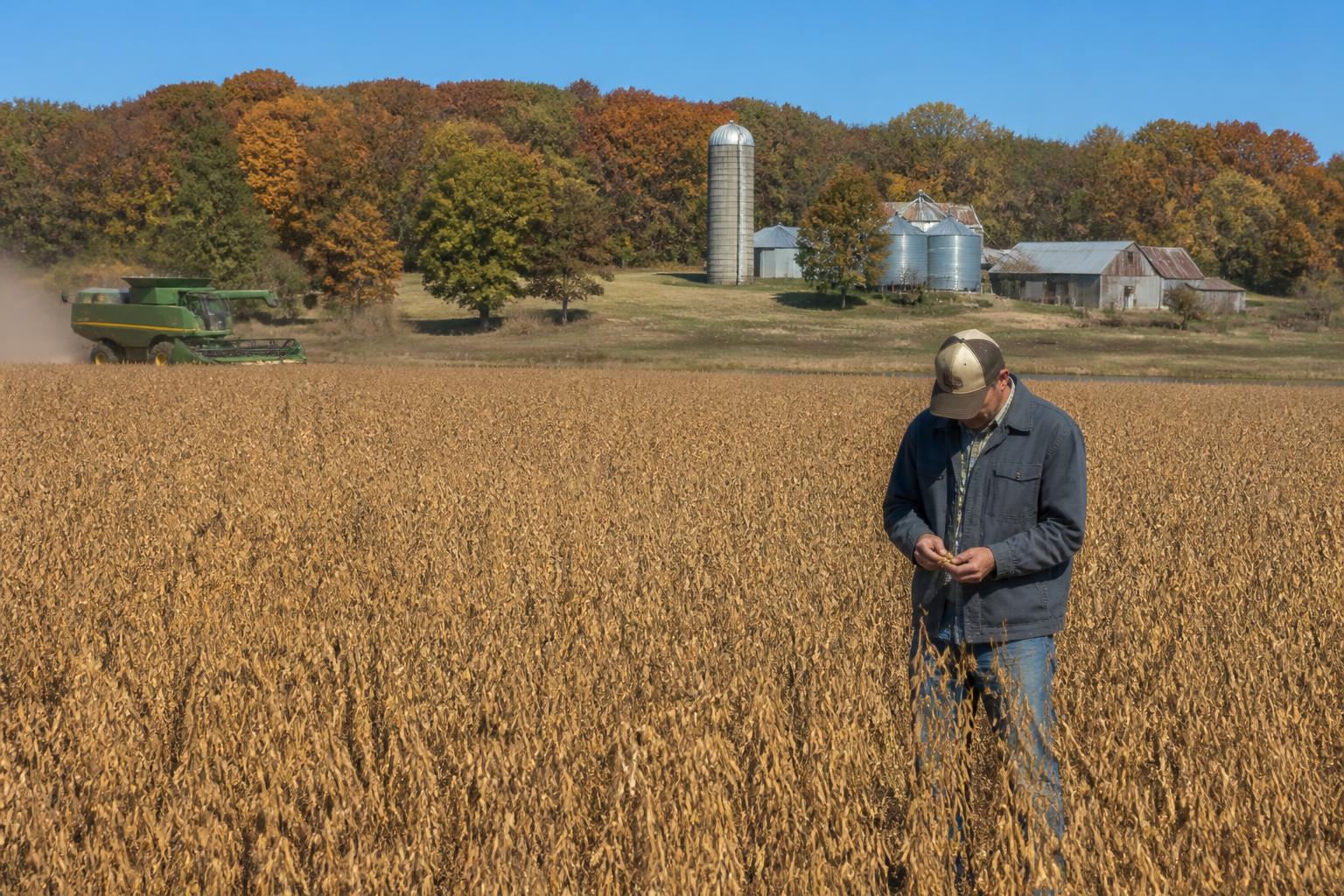
Missouri producers are seeing a busy fall season, with harvest operations moving ahead of schedule in many areas across the state. While the pace of fieldwork has been generally encouraging, the transition into the final stages of the cycle has brought specific technical and economic hurdles into sharp focus for local agribusinesses and farm operations.
As operations continue, maintaining a watchful eye on field conditions remains a priority. Recent reports have confirmed the presence of waterhemp resistant to dicamba within Missouri fields, underscoring the importance of integrated crop protection strategies for future planning. Producers are encouraged to evaluate field-by-field performance this year to better inform their weed management and input decisions for the coming season.
Market Sentiment and Input Costs
Beyond the field, the economic landscape remains complex. Input procurement continues to be a point of discussion, particularly regarding fertilizer costs. Concerns surrounding phosphate fertilizer tariffs have been raised by farm groups who worry that current trade policies could consolidate market influence and place additional pressure on operational margins.
Simultaneously, Missouri growers are keeping a close watch on export markets. International trade remains a critical component of local price discovery for soy and corn. Many in the industry emphasize that prioritizing stable, consistent trade relationships is essential for the long-term health of the state's agricultural economy, especially as producers evaluate their selling strategies during the heavy volume periods of October.
What it means for the market
For Missouri farmers and grain handlers, this period is defined by a dual focus on tactical efficiency and long-term risk management. While the current harvest progress is a positive sign for seasonal flow, the intersection of herbicide-resistant weeds and volatile input pricing suggests that producers should lean into data-driven stewardship and proactive marketing. Staying agile in response to both field-level challenges and shifts in global trade policy will be the standard for navigating the remainder of the 2026 cycle.
Comments
No comments yet - be the first to share your take.