
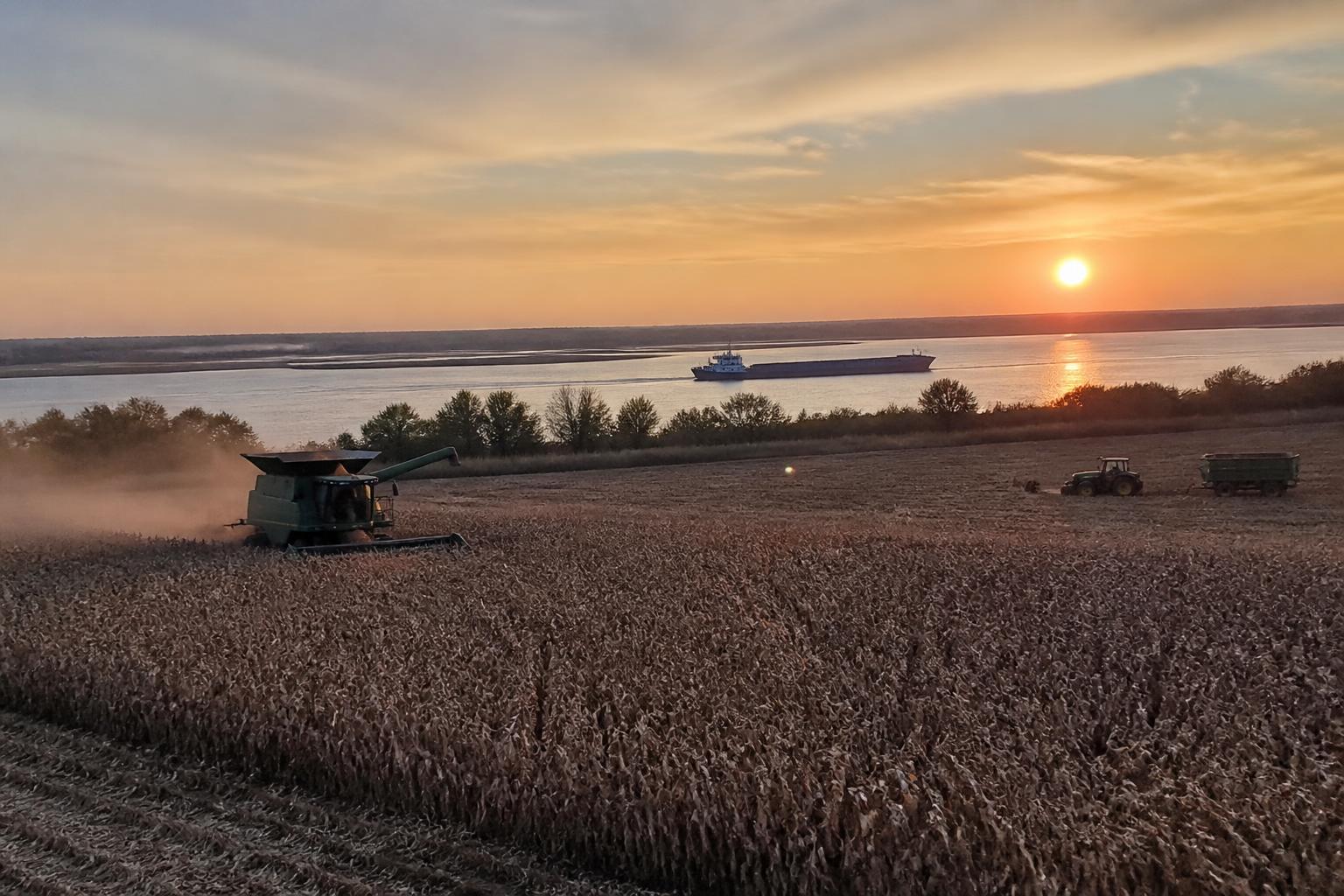
As harvest activity reaches its seasonal peak across the Mississippi Delta, producers are balancing the urgency of crop collection with the realities of regional supply chain constraints. Efficient field management remains a priority, especially as operators work to mitigate the impact of persistent, hard-to-control weed pressures that can hinder harvest efficiency and impact long-term yield potential.
The logistical environment remains top of mind for agribusinesses throughout the state. Fluctuating water levels in the lower river corridor continue to influence freight capacity, which can periodically tighten the flow of grain to export terminals. For those navigating these hurdles, proactive planning is essential to manage the movement of commodities effectively. Understanding these dynamics is critical for operators looking to maintain margins in a complex market; you can explore more on these logistical pressures and freight management strategies as they evolve throughout the fall.
Managing On-Farm Efficiencies
Beyond logistics, protection remains a central theme for Delta operations. The presence of aggressive, resilient weed populations continues to necessitate integrated strategies that go beyond standard practices. Producers are increasingly looking toward climate-smart farming techniques and adaptive management to safeguard fields against these persistent threats, ensuring that soil health and crop integrity are protected through the final stages of the harvest cycle.
Planning for Post-Harvest Success
As equipment moves from one field to the next, maintaining vigilance over regional transport corridors is key to avoiding unnecessary delays. While local river conditions are an ongoing area of focus, staying informed about statewide trends in land management and infrastructure developments can provide a competitive edge in long-term farm planning. By focusing on site-specific soil health and precision-based weed control, Delta growers are finding ways to buffer their operations against external market volatility.
What it means for the market
For Mississippi producers and grain handlers, the current landscape requires a dual focus: optimizing immediate, site-specific harvest protection and maintaining flexibility in logistical chains. As seasonal volumes peak, those who prioritize adaptive management—both in the field and in their supply chain outreach—will be best positioned to mitigate the risks associated with volatile export conditions and input challenges.
Comments
No comments yet - be the first to share your take.