
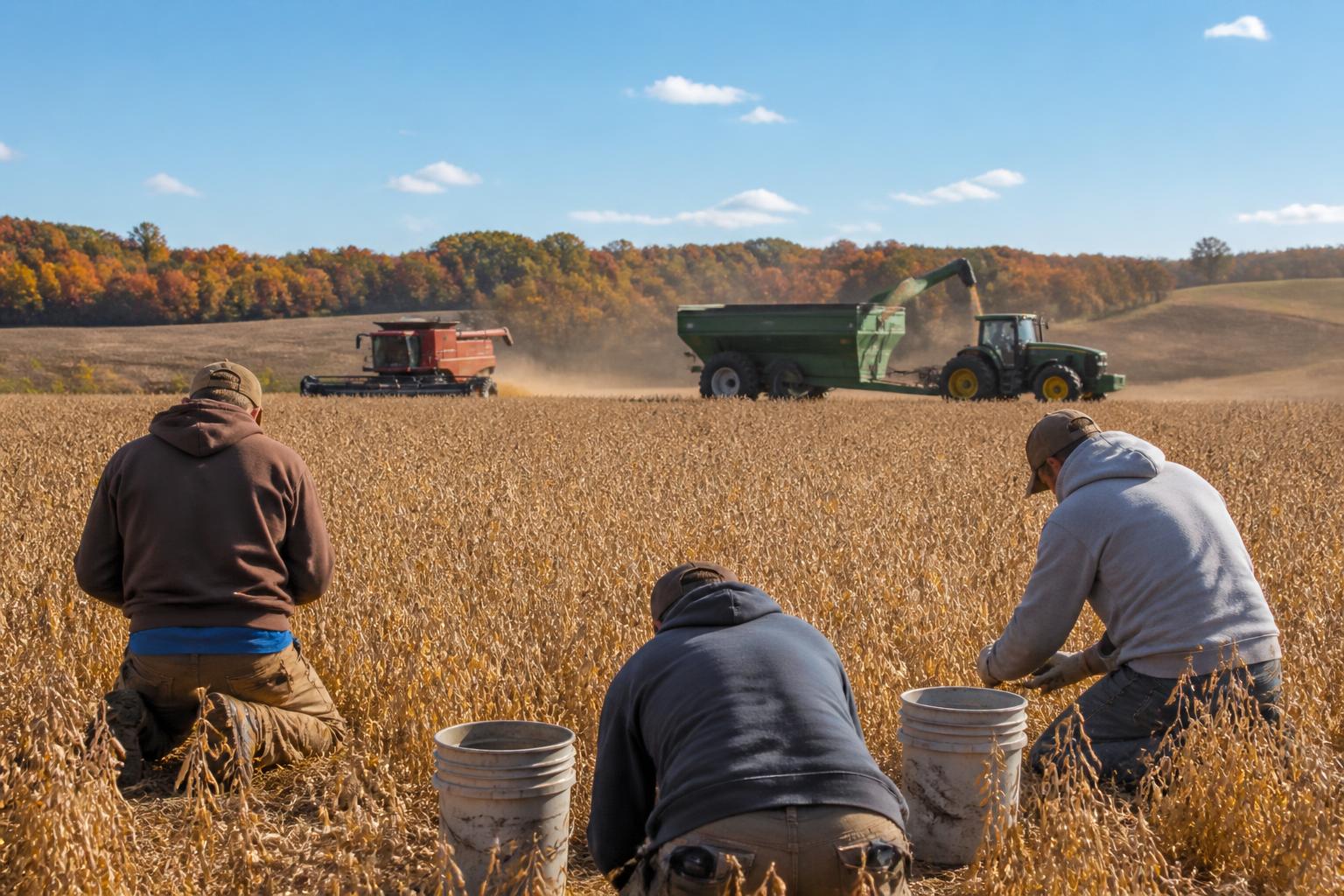
With the fall harvest well underway across Minnesota, producers are shifting focus from immediate throughput to post-harvest field management. While many growers report encouraging yields, particularly among dry bean crops, the presence of late-season pathogens such as tar spot requires careful scouting and strategic planning for the upcoming season. Addressing these threats early is vital to preserving soil and plant health before winter dormancy sets in.
Integrated pest management remains a central theme as agricultural leaders continue to refine approaches to navigating the complex, evolving regulatory landscape for crop inputs. Recent reports indicate that specific restrictions on chemicals like dicamba are showing measurable results, helping to stabilize regional ecological conditions while balancing the need for effective weed and pest control.
Adapting to Evolving Field Risks
Beyond traditional chemical applications, there is a growing emphasis on innovative biological and integrated solutions. Local researchers and agronomists are actively exploring new methodologies to bolster crop resilience against persistent pests. As emerging security risks demand more robust management strategies this fall, producers are encouraged to work closely with local cooperatives and advisory groups to stay informed about the latest product efficacy data and state-level survey findings.
Monitoring these pressures is not merely a seasonal chore but an investment in future yield stability. With the Minnesota Department of Agriculture continuing to track pesticide and fertilizer trends, farmers have access to a wealth of data to inform their input purchasing and application decisions for the next planting cycle.
What it means for the market
The convergence of successful harvest reports and proactive pest management suggests a resilient outlook for Minnesota producers. By staying ahead of pathogen spread and leveraging regional expertise, agribusinesses can mitigate the financial impact of crop loss. Continued attention to input efficiency and responsible management will be critical as the industry prepares for winter supply chain adjustments and the shift toward the next planning phase.
Comments
No comments yet - be the first to share your take.