
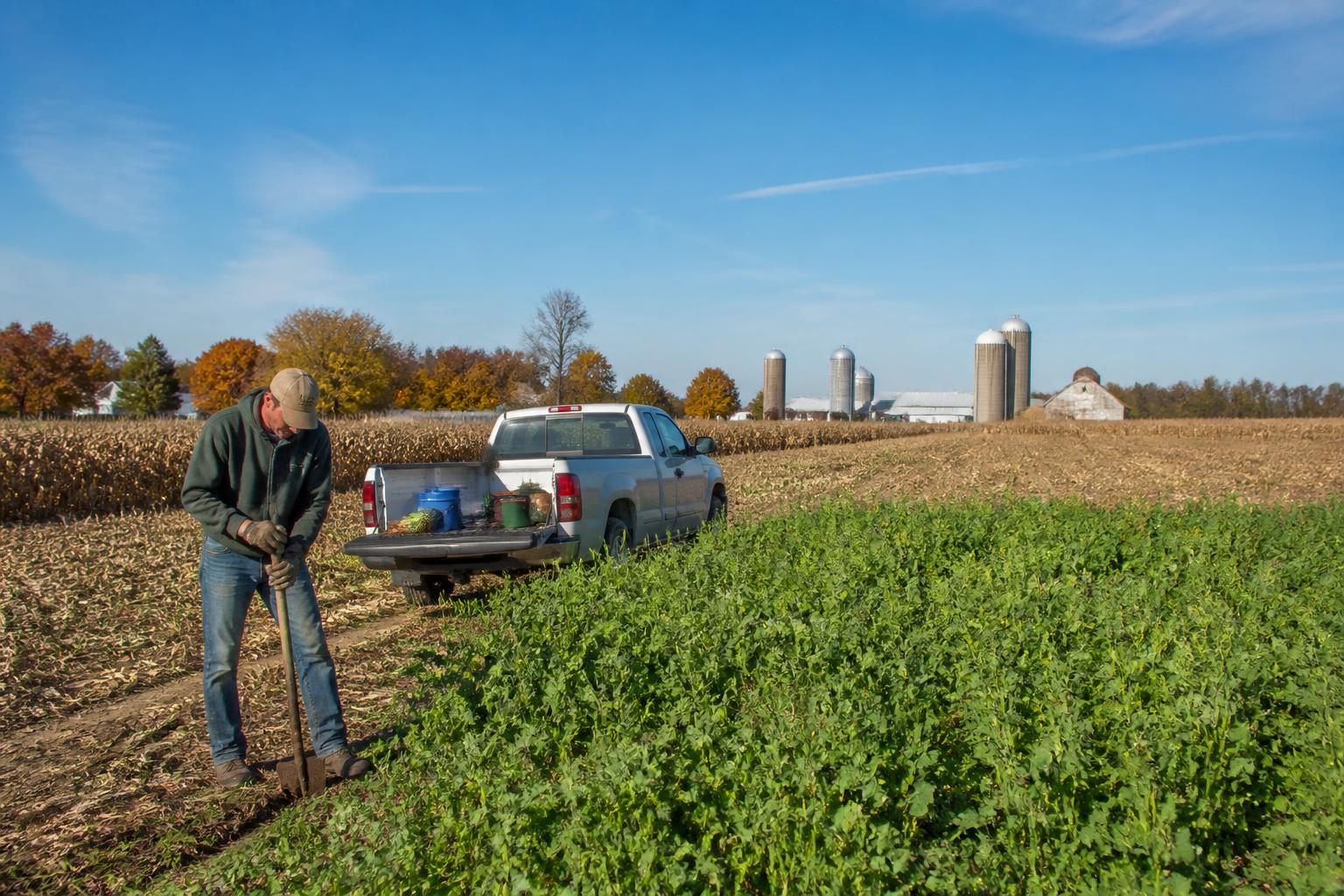
As the Indiana harvest season accelerates, producers across the state are navigating a complex intersection of environmental conditions and evolving management strategies. From the rolling fields of the north to the fertile southern river bottoms, the focus has shifted toward balancing operational efficiency with long-term soil productivity. The current window presents a critical opportunity for growers to evaluate the success of their seasonal inputs and begin preparations for next year's crop cycle.
Amid these operational demands, many producers are engaging with new initiatives focused on optimizing nutrient management. Programs centered on precise soil sampling are gaining traction, offering farmers data-driven insights into field performance and helping to streamline fertilizer applications. This focus on efficiency is particularly timely, as agribusinesses and independent researchers continue to refine strategies for managing high input costs while maintaining the high yields characteristic of the region.
Adapting to Regulatory and Environmental Shifts
The agricultural landscape in Indiana remains sensitive to broader policy discussions regarding crop protection tools. Legal developments at the federal level have prompted many growers to monitor how potential regulatory changes might influence future pest and disease management options. Staying informed on these shifts is essential for long-term planning, as access to specific chemistries and biologicals can dictate the success of integrated pest management programs.
Prioritizing Sustainability and Soil Health
Beyond immediate harvest logistics, there is a sustained interest in conservation practices that protect the state's natural resources. The integration of cover crops remains a primary strategy for reducing runoff and improving soil structure across Indiana’s diverse topographies. These practices not only provide immediate ecological benefits but are increasingly viewed as a tool to enhance the overall resilience of the farming operation against seasonal weather variability.
What it means for the market: For Indiana farmers, the current market environment rewards those who prioritize data-backed decision-making. Whether through refining nutrient programs or staying ahead of regulatory updates, success this season will likely hinge on the ability to remain agile while focusing on core production efficiencies that bolster yield and sustainability.
Comments
No comments yet - be the first to share your take.