
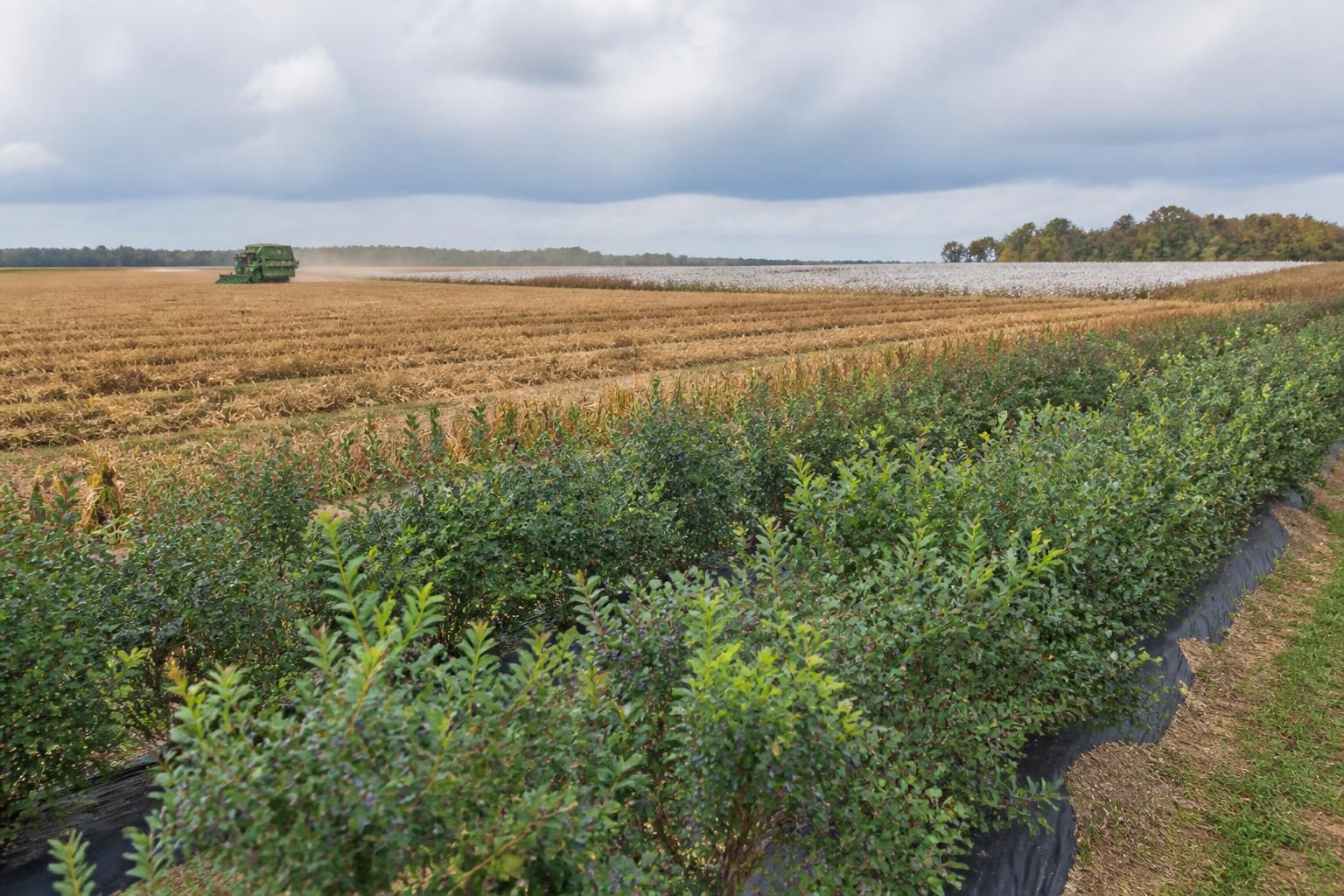
The arrival of October across Georgia marks a critical juncture for producers, with harvest activities peaking throughout the state's diverse agricultural regions. As farmers navigate the logistical demands of transporting seasonal yields, maintaining efficient access to regional grain elevators and transit hubs remains a top priority for agribusiness stakeholders.
Effective Georgia agricultural logistics require constant adaptation, particularly as supply chain shifts influence how inputs and commodities move across the state. In some instances, leveraging local distribution networks can help mitigate the pressures often placed on infrastructure during the height of the fall season, ensuring that equipment and goods reach their destinations without unnecessary delays.
Infrastructure and Operational Resilience
For operations spanning from the southern peanut belts to the northern poultry and produce hubs, long-term success is increasingly tied to modernized infrastructure. While logistics managers continue to observe fluctuating demand across major highway corridors, many firms are exploring localized storage and processing solutions to buffer against broader industry inconsistencies. Understanding the nuances of supply chain shifts and infrastructure growth can provide operators with the insight needed to optimize their seasonal workflows and reduce overhead.
What it means for the market
Market participants should remain vigilant regarding regional transit bottlenecks and the availability of specialized logistics support. As the fall season progresses, the ability to pivot between varied transport modes and utilize reliable, local infrastructure networks may serve as a critical competitive advantage for agribusinesses looking to maintain margins amidst broader market volatility.
Comments
No comments yet - be the first to share your take.