
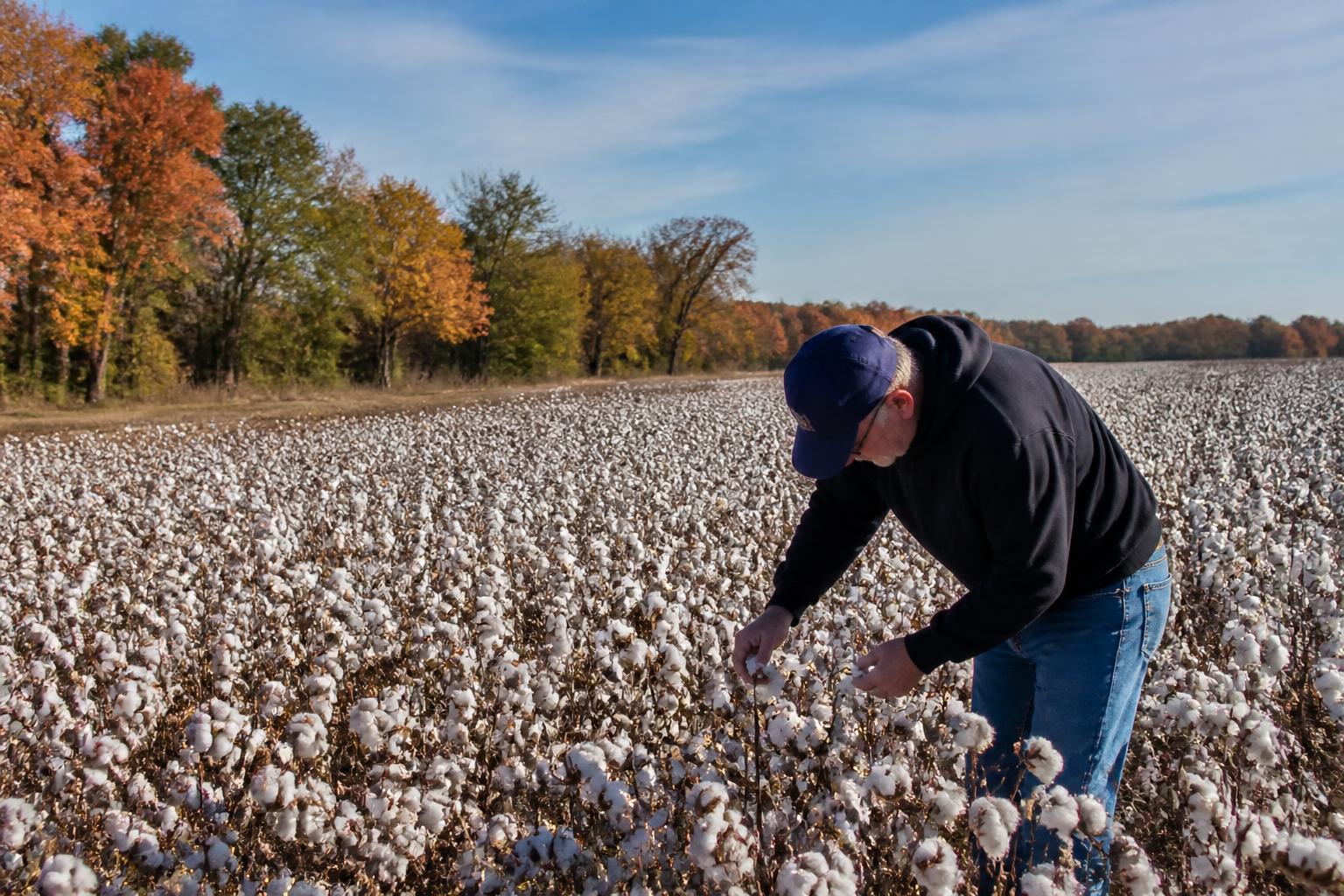
As the Texas agricultural landscape moves deeper into the fall season, the focus for many remains on balancing the demands of harvest with the long-term management of production risks. While recent rains have provided a much-needed reprieve for crops across the Texas Blacklands, producers continue to face a complex environment where operational consistency remains a primary goal for ensuring profitability.
For those managing livestock, the atmosphere has grown more cautious. Concerns regarding the emergence of parasitic threats, such as the screwworm, have intensified. Federal and local agencies are emphasizing the importance of vigilant monitoring to mitigate potential economic damage to the state's cattle industry. Maintaining healthy herds during these shifts is a critical component of risk management, particularly as producers evaluate their evolving protection strategies for the coming year.
Input Cost Management and Field Readiness
Beyond biological threats, producers are grappling with persistent financial pressures. The recent volatility in fertilizer pricing continues to squeeze margins, forcing many agribusinesses to re-evaluate their input strategies for the upcoming cycle. Financial planning has become as vital as crop scouting, with many operators looking toward updated risk management frameworks to stabilize their revenue potential.
Infrastructure and Logistical Coordination
As fall harvest operations move into higher gear, the logistical chain is under increased scrutiny. Managing the flow of commodities from the field to storage or export points requires precise coordination, especially given the ongoing upgrades to regional infrastructure that are intended to ease bottlenecks in critical trade corridors. Ensuring equipment is properly serviced and transport routes are clear remains a top priority for grain handlers and producers alike during this high-traffic period.
What it means for the market
The current market environment in Texas is defined by the need for adaptability. Producers who lean into data-driven decision-making, from monitoring local plant health to optimizing transport logistics, will be better positioned to navigate these seasonal hurdles. Success this fall will likely hinge on the ability to anticipate and manage input expenses while staying ahead of localized operational risks.
Comments
No comments yet - be the first to share your take.