
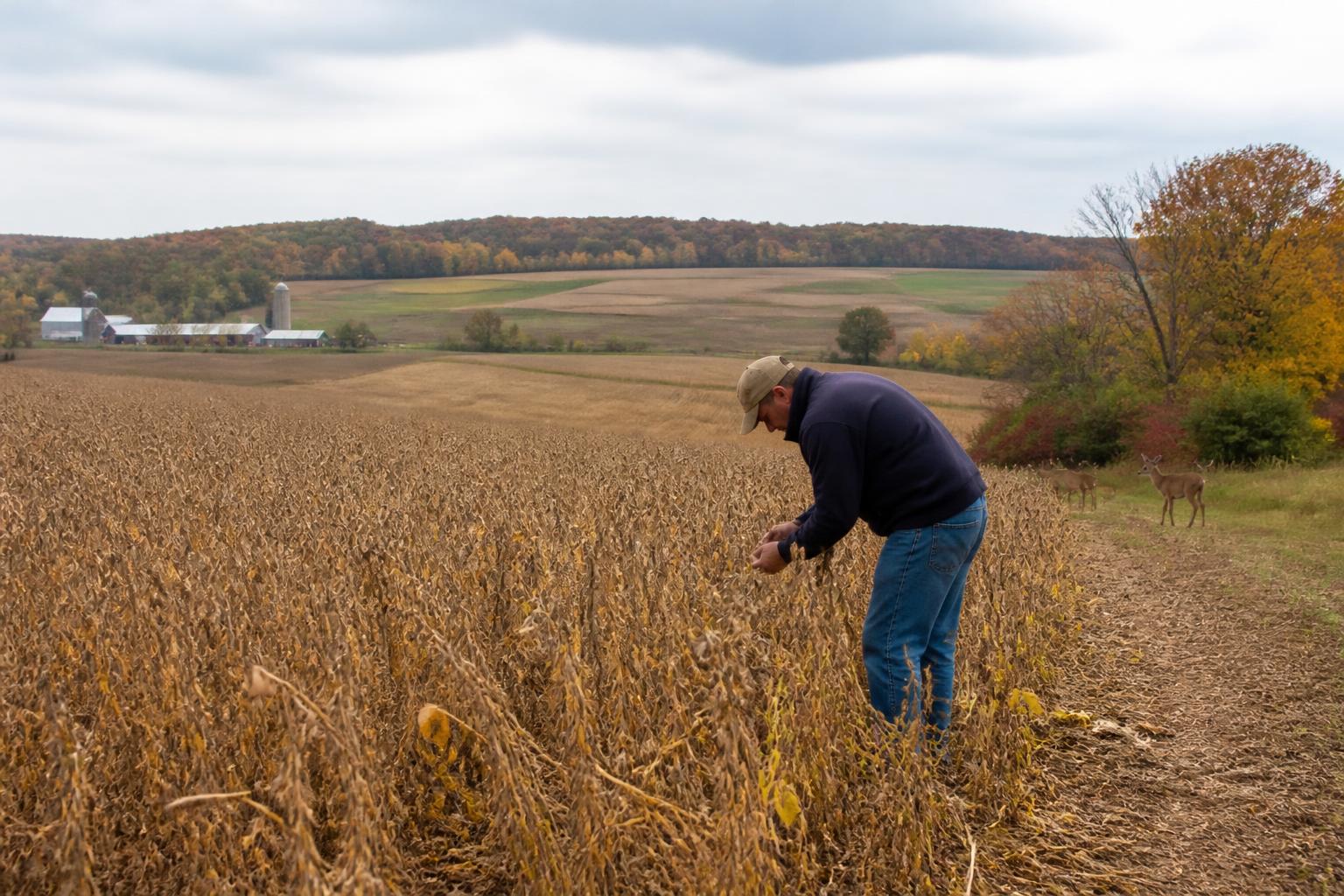
As New Jersey enters the peak of the fall harvest season, producers across the state are focusing on mitigating crop losses that have long challenged the bottom line. From the fertile fields of South Jersey to the diverse operations near the Delaware River, wildlife damage remains a persistent operational concern for many growers.
Recent legislative attention is now directed toward addressing the impact of deer populations on local agricultural output. For many farmers, this shift signifies a potential move toward more structured support in protecting high-value acreage from consistent browsing pressure, which can undermine yields during the critical final weeks of the season.
Legislative Progress and Farm Management
For agribusinesses balancing the demands of fall logistics, the push for effective deer management is a welcome development. Efficient field logistics and operational security are essential when margins are tight, and reducing external threats like overabundant wildlife can stabilize productivity. Producers are increasingly looking for practical, scalable solutions that integrate with their existing input cost management and safety protocols.
Aligning Protection with Sustainable Growth
Farmers are also advocating for voluntary and financially viable programs that help protect their operations. In regions like Burlington County, where agricultural history remains deeply tied to both conventional and emerging methods, these protection efforts are often discussed alongside broader land stewardship goals. Balancing crop output with wildlife management requires a localized approach, often supported by updated tools and policy frameworks, as highlighted in recent discussions on securing high-value assets throughout the state.
What it means for the market: For New Jersey producers, the focus on policy-backed wildlife protection offers a path to reducing avoidable losses. As these measures evolve, growers should stay informed on how local programs can be integrated into their fall planning to safeguard harvests and improve long-term operational resilience.
Comments
No comments yet - be the first to share your take.