
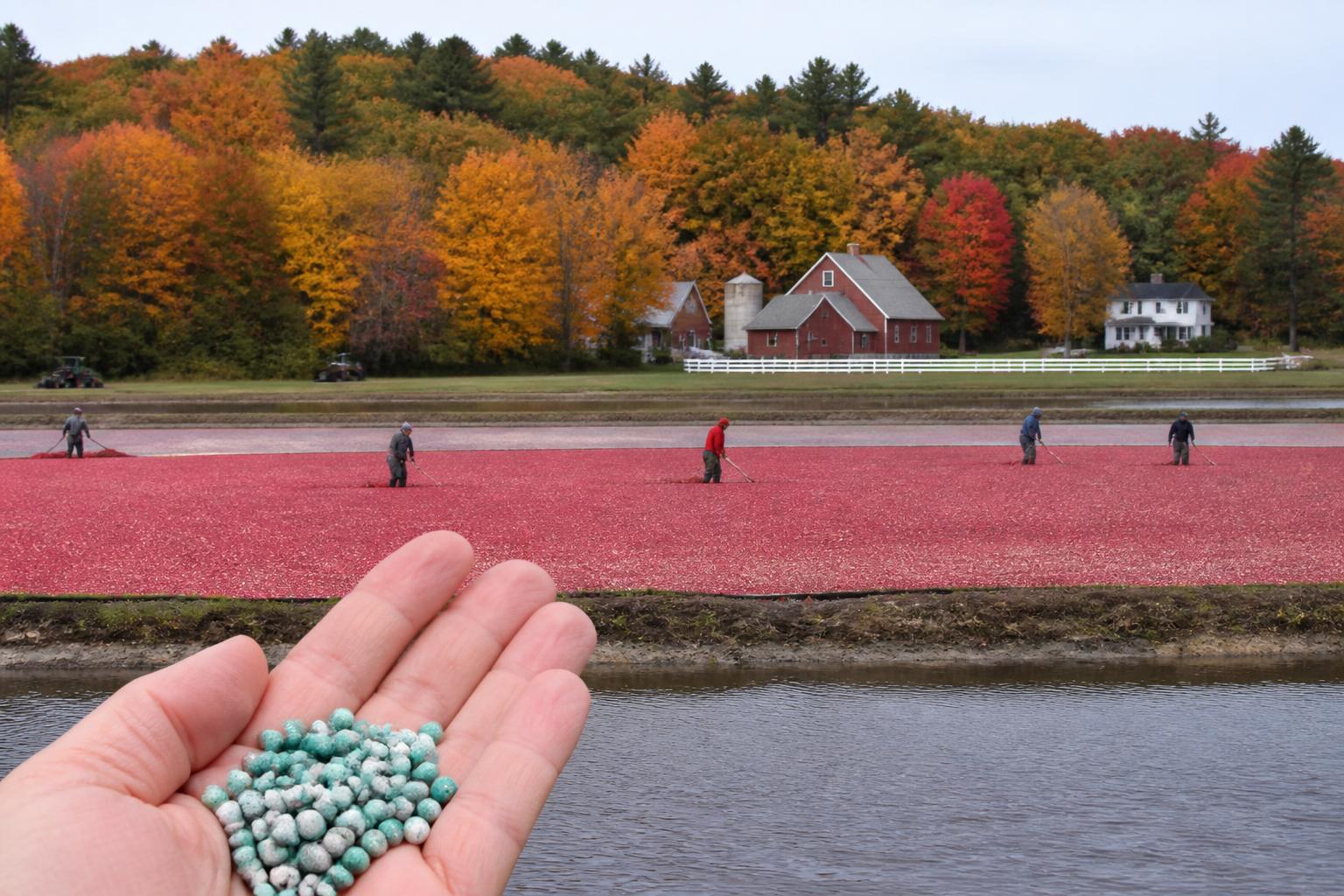
As the fall harvest season accelerates across Massachusetts, producers are navigating a complex landscape defined by both environmental challenges and evolving regulatory oversight. From the cranberry bogs of the southeast to the diverse fruit and vegetable operations in the central and western parts of the state, managing crop integrity has become a primary focus for many agribusinesses.
Regional efforts to stabilize production are currently testing the resilience of local growers. Ongoing concerns regarding the arrival of invasive species, such as the spotted lanternfly detected in areas like Fitchburg, require heightened field monitoring. Protecting orchard and vine health is now a standard, albeit demanding, component of routine operational management as these pests move through the landscape.
Managing Resource Pressures and Crop Health
In addition to pest mitigation, the industry continues to address broad infrastructure and resource management needs. Whether dealing with shifting climate patterns or navigating the latest regulatory requirements, staying informed is critical for operational efficiency. For growers looking to optimize their infrastructure and resource management strategies this season, prioritizing soil health and proactive scouting is often essential to mitigating yield loss.
Looking Ahead in the Bay State
The agricultural sector remains in a period of adjustment. While some sectors grapple with smaller projected harvest volumes, particularly in the cranberry industry, others are evaluating how new agricultural legislation moving through Beacon Hill may impact long-term operational costs and land management. Keeping close ties with local extension programs and industry networks remains the best course of action for those managing production shifts in the current market.
What it means for the market
For farmers and agribusinesses in Massachusetts, the current environment demands a lean, data-driven approach to crop protection. Growers should anticipate continued scrutiny over input usage and biological controls. As the season progresses, maintaining flexible logistics and prioritizing integrated pest management will be vital for sustaining profitability throughout the remainder of the year.
Comments
No comments yet - be the first to share your take.