
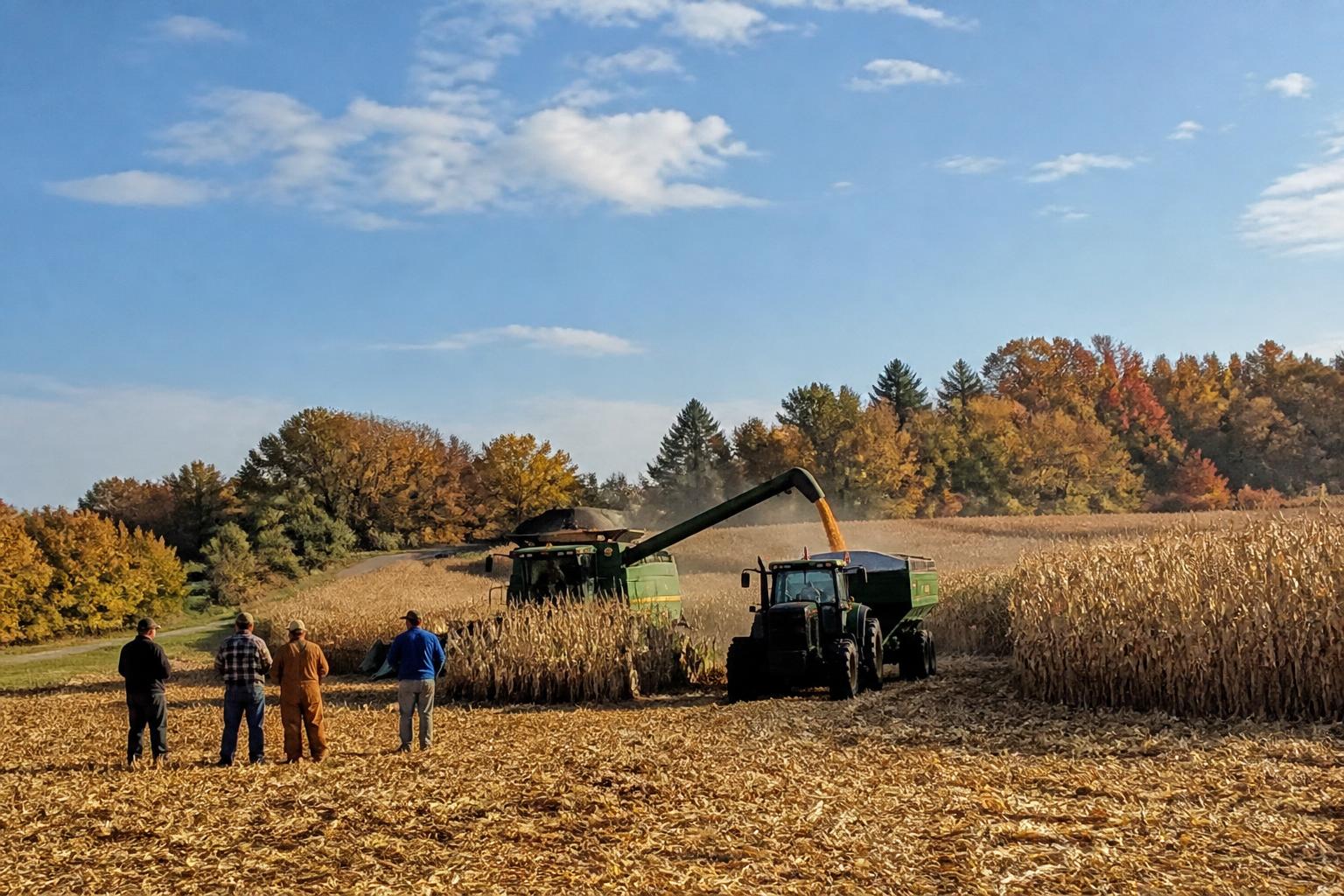
As harvest activities accelerate across Minnesota, the agricultural landscape remains defined by a mix of operational intensity and underlying financial caution. For many local producers, the rhythm of the fall season is currently dictated by the need to manage input costs and logistical throughput in an environment where profit margins are increasingly scrutinized.
While some growers continue to see steady crop progress, there is a visible trend of reduced production activity among those managing tighter financial constraints. In some counties, this has led to the decision by some farm operators to leave equipment sidelined this season. This strategic pause reflects broader industry concerns regarding market volatility and the challenge of maintaining capital efficiency when navigating fluctuating commodity price environments.
Managing Resource Protection and Field Logistics
The current operational climate underscores the importance of asset management and proactive security strategies for Minnesota field assets. As harvest reaches its peak across the state, ensuring that storage and transport logistics remain resilient is critical. Farmers and grain handlers are increasingly focused on optimizing storage capacity, particularly as regional yields prove variable, necessitating precise management of space and grain quality.
Beyond the field, the pressure on transportation infrastructure remains a significant factor for input buyers and exporters alike. With concerns over potential shifts in federal trucking standards and the resulting impact on freight costs, local agribusinesses are closely monitoring the supply chain to mitigate risks. Keeping operational costs manageable is top of mind as the industry prepares for the final push of the harvest season.
What it means for the market
For Minnesota producers, the current market dynamic requires a cautious approach to capital expenditure and logistics. The combination of variable crop performance and cautious financial management suggests that efficiency will be the primary driver of success this fall. Market participants should remain alert to shifts in local grain basis and freight availability, as both are expected to fluctuate in response to regional supply patterns and broader macroeconomic pressures throughout the remainder of the quarter.
Comments
No comments yet - be the first to share your take.