
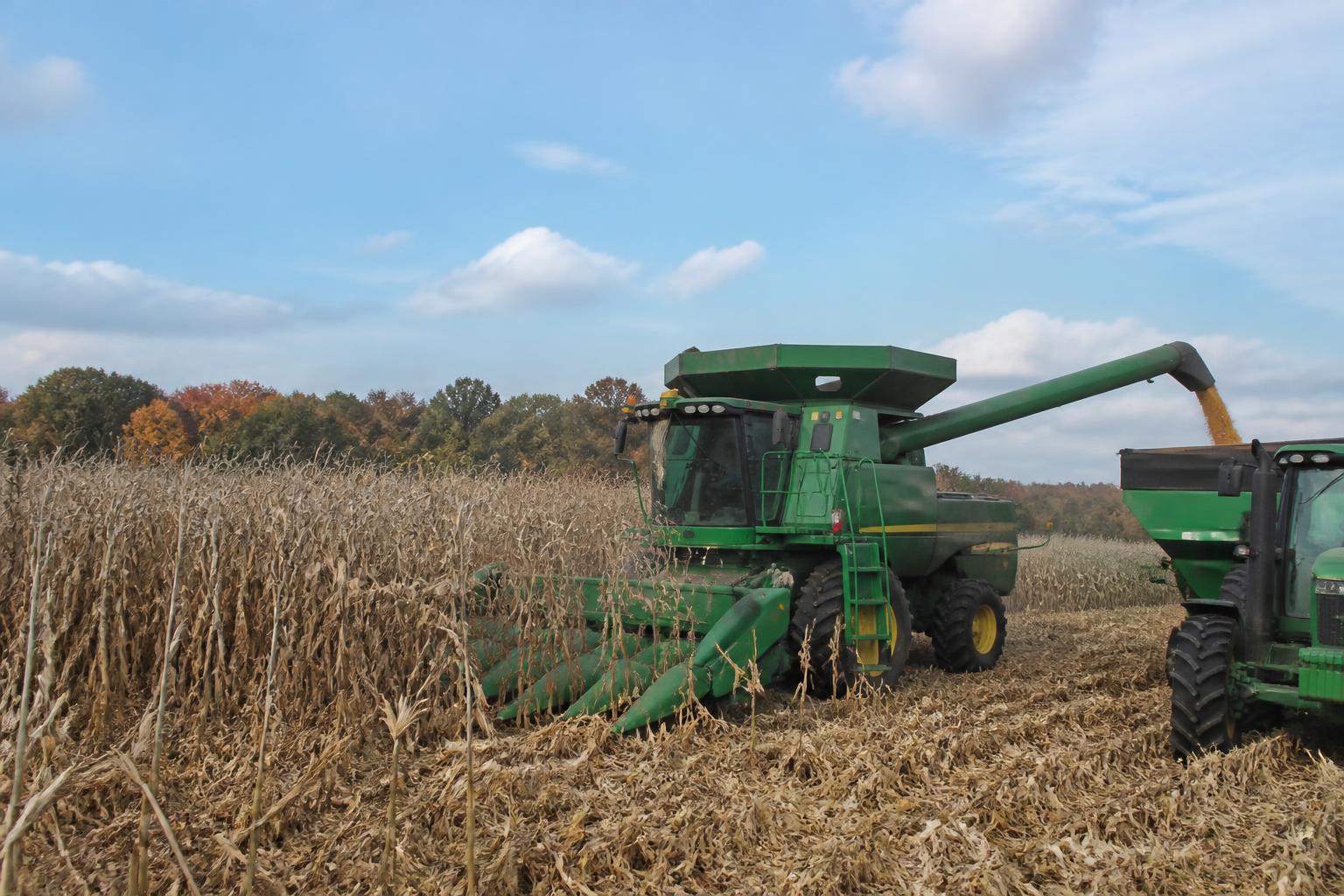
As Indiana producers move into the heart of the fall harvest, the agricultural landscape is defined by a wide range of crop maturity and a notably strong basis environment. Across the Eastern Corn Belt, corn and soybean basis levels have frequently outpaced historical averages, signaling significant local demand as elevators and processors work to secure supplies.
While yield outcomes vary by location, especially in parts of the state prone to moisture challenges or elevation-related risks, the focus for many remains on efficient movement. Managing a strengthened logistics supply chain is essential as carriers and grain handlers navigate the seasonal influx of traffic. Producers who are navigating input costs alongside harvest operations are finding that strategic timing of grain delivery can be critical to maximizing their net positions.
Managing Variable Maturity and Logistics
The lack of uniformity in crop development this season presents distinct challenges for harvest scheduling. In many Indiana counties, the variation in maturity means farmers are often balancing multiple fields simultaneously, putting pressure on machinery and labor. This unpredictability in the field can ripple into transportation logistics, as grain storage facilities deal with staggered delivery schedules rather than a traditional peak surge.
Input Market and Industry Growth
Beyond the field, the state continues to see interest from life sciences and agricultural biotech firms looking to establish a presence in the region. These developments often correlate with broader investments in the agricultural supply chain, which may provide future efficiencies for farmers. However, current operational costs, particularly regarding fuel and energy, remain a focal point for those managing the bottom line as the season progresses.
What it means for the market
For the Indiana producer, the current basis strength offers a potential opportunity, provided logistics can be managed effectively amidst the variable maturity of this year’s crop. Staying closely aligned with local elevator schedules and monitoring basis shifts will be vital in the coming weeks to ensure that transport bottlenecks do not interfere with the ability to capture favorable pricing during this peak window.
Comments
No comments yet - be the first to share your take.