
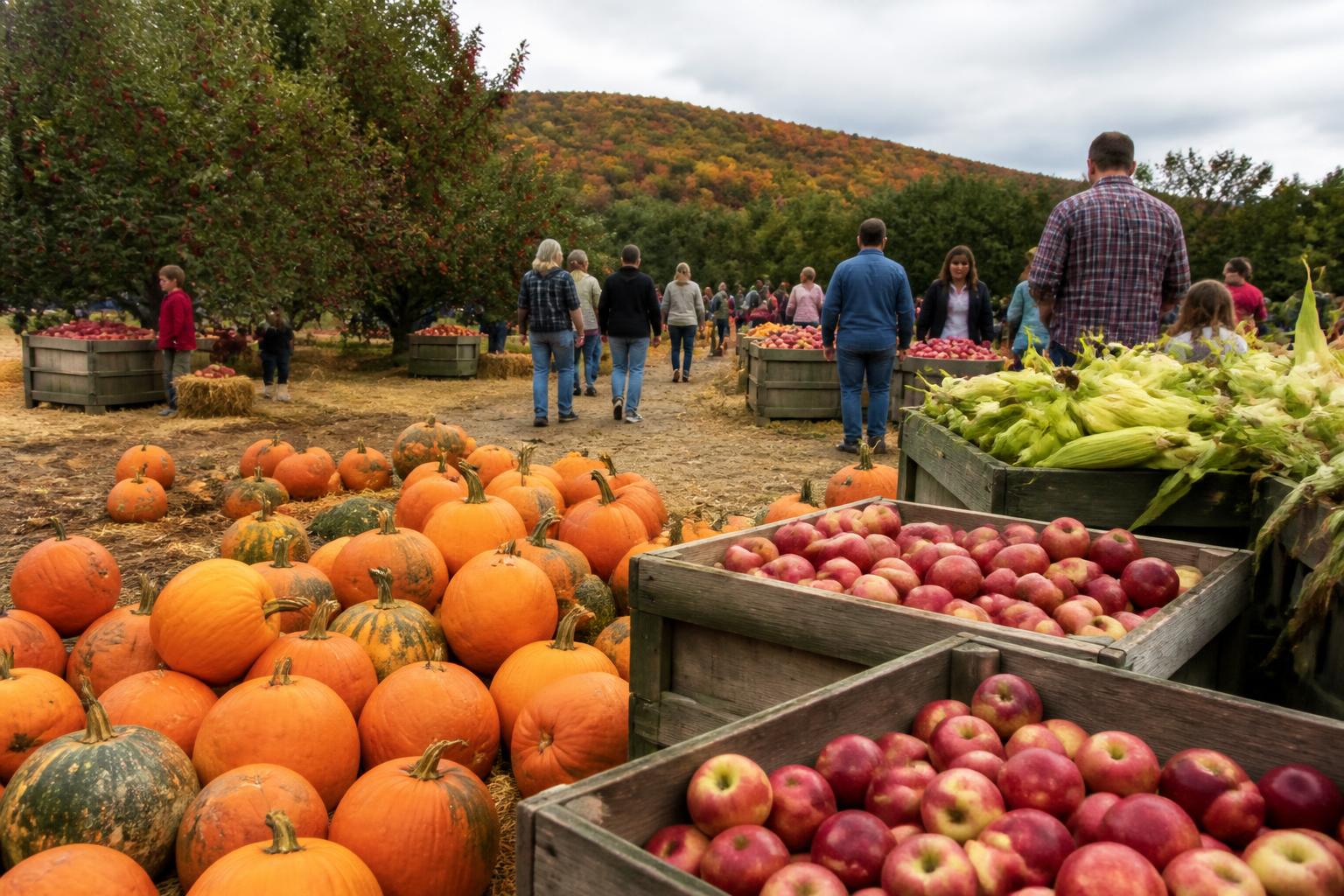
The arrival of October marks a high-intensity period for Michigan producers, as field operations shift into full swing across the state. With harvest logistics entering their most critical phase, agribusinesses and farmers are keeping a close watch on regional infrastructure and supply chain fluidity to ensure that crop movement remains steady.
For grain handlers and logistics operators, the current environment emphasizes the importance of risk management. Effective harvest logistics coordination has become a focal point for many, as producers navigate seasonal capacity constraints and potential bottlenecks at regional delivery points. Maintaining operational efficiency is vital, particularly when balancing the immediate pressures of field work with longer-term storage and transportation decisions.
Managing Operational Pressures and Inputs
Beyond the immediate demands of the harvest, producers are also evaluating the broader economic backdrop affecting their bottom line. Rising costs for essential inputs, including fuel and fertilizer, continue to influence on-farm risk management strategies. These external economic pressures can complicate seasonal planning, forcing many to tighten operational margins and prioritize investments that offer the greatest immediate utility.
Furthermore, staying informed about the latest research and field insights remains a cornerstone of success for Michigan agribusinesses. As local experts and extension offices facilitate ongoing industry outreach and field evaluations, operators have the opportunity to refine their techniques and safety protocols. Whether addressing late-season crop health or optimizing machinery usage, the integration of new data is essential for maintaining a competitive edge during this busy cycle.
What it means for the market
The convergence of peak harvesting activities and fluctuating input costs suggests a cautious outlook for the remainder of the season. Producers who prioritize robust logistics planning and proactive risk mitigation are likely to find themselves in a stronger position to manage the unpredictability of regional markets. By leveraging both traditional operational standards and updated regional insights, stakeholders can work to ensure that Michigan's agricultural output remains resilient despite broader economic headwinds.
Comments
No comments yet - be the first to share your take.