
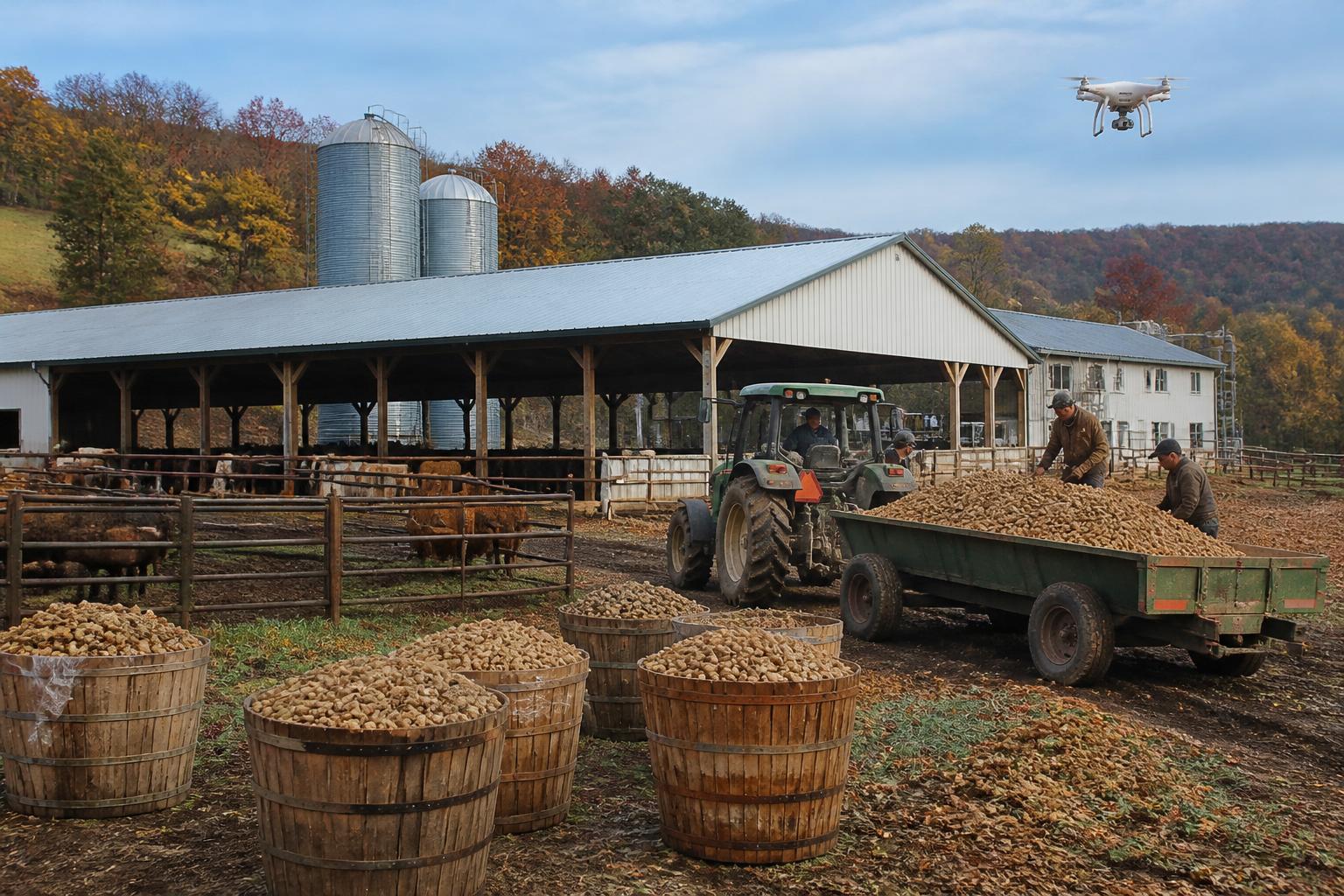
For many producers across the Commonwealth, the fall season is a time for final assessments of yield and a crucial period for reevaluating risk management strategies. As market volatility remains a persistent factor in global agricultural supply chains, securing financial protection has become as essential as the harvest itself. Producers looking to hedge against uncertainty are increasingly turning their attention toward updated federal risk tools, such as the Whole Farm Revenue Protection program, which has undergone improvements to better serve diverse farming operations.
Building Resilience in Changing Conditions
Virginia farmers often navigate a unique set of regional challenges, from unpredictable weather patterns impacting seasonal crops to broader logistical hurdles that affect transport and storage. Recent developments in risk mitigation, such as those discussed in refining how producers leverage crop insurance data, underscore the shift toward data-driven decision-making. By integrating comprehensive records with available protection programs, agribusinesses can build a more robust safety net that shields them from unforeseen localized losses.
Furthermore, managing the intersection of production and infrastructure remains a key priority. Whether it is addressing harvest logistics and seasonal flow or investing in new facility upgrades, the goal remains the same: minimizing bottlenecks that can erode profit margins during peak activity. In regions like the Shenandoah Valley or the coastal plains, farmers are often balancing these operational upgrades against the backdrop of changing commodity demand.
What it means for the market
For Virginia agribusinesses, the takeaway is clear: stability is built through proactive planning. As the industry moves deeper into the fall, producers who prioritize the alignment of their risk management strategies with current market-specific data are better positioned to weather the fluctuations ahead. Utilizing enhanced federal revenue protections and optimizing local logistical flows remain the most effective ways to preserve capital and ensure long-term sustainability in a complex, interconnected market.
Comments
No comments yet - be the first to share your take.