
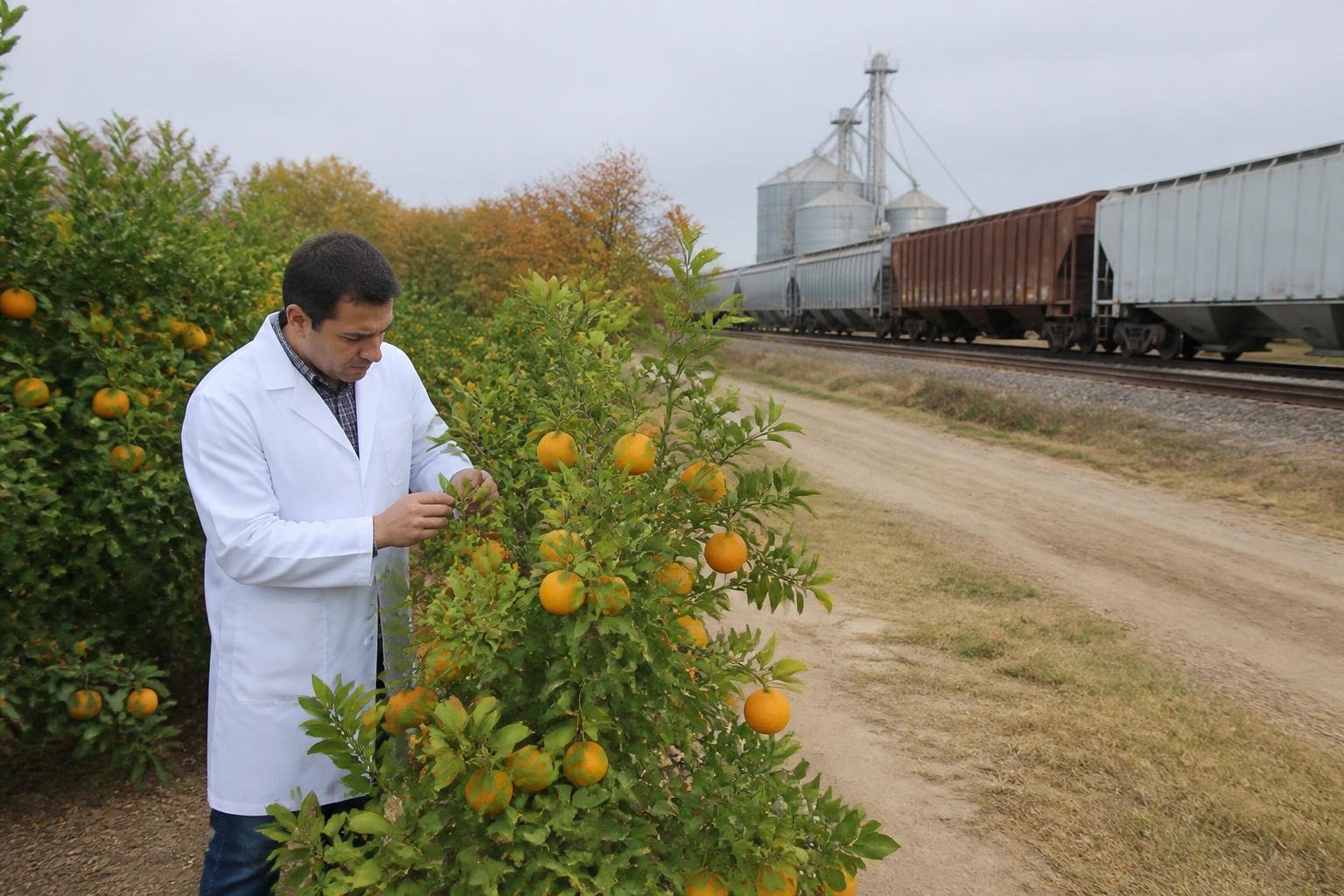
Texas farmers and ranchers are navigating a busy fall season, managing both the tail-end of harvest logistics and the critical preparations for upcoming winter cycles. With fieldwork intensifying across the state, the focus is shifting toward maximizing output while mitigating risks associated with input costs and logistical bottlenecks.
Recent developments in crop protection technology are providing local producers with more options to maintain field health. Notably, Texas A&M research has led to the development of new treatments for citrus greening that have recently received regulatory clearance. These innovations may offer producers in citrus-heavy regions a vital pathway to stabilizing yields in orchards facing long-term pressure.
Bolstering Supply Chain and Infrastructure
Beyond the field, financial support initiatives are working to smooth out some of the traditional hurdles in the Texas agricultural supply chain. The AgLink Continuity Grant Program has directed substantial funding toward projects aimed at strengthening the regional infrastructure that keeps commodities moving. For grain handlers and those involved in export, this focus on efficiency comes at a critical time as producers prepare for seasonal export shifts and potential transport delays.
Transportation remains a central theme for agribusinesses this season. The establishment of the NETX Railway in Northeast Texas signals a proactive move toward improving rail connectivity for regional freight. For many local operations, reliable rail access serves as a crucial alternative to road transport, especially as producers continue to manage mid-harvest logistics in an environment marked by fluctuating carrier capacity and broader industry trends.
What it means for the market
For the Texas agribusiness sector, the combination of emerging protective technologies and state-supported infrastructure grants points to a transition toward more resilient, data-driven farming. Producers who integrate these new crop protection tools into their fall management strategies may find themselves better positioned to offset external pressures. Simultaneously, keeping a close eye on regional rail developments and grant-funded logistics upgrades will be essential for those looking to maintain profitability during the remainder of the harvest window.
Comments
No comments yet - be the first to share your take.