
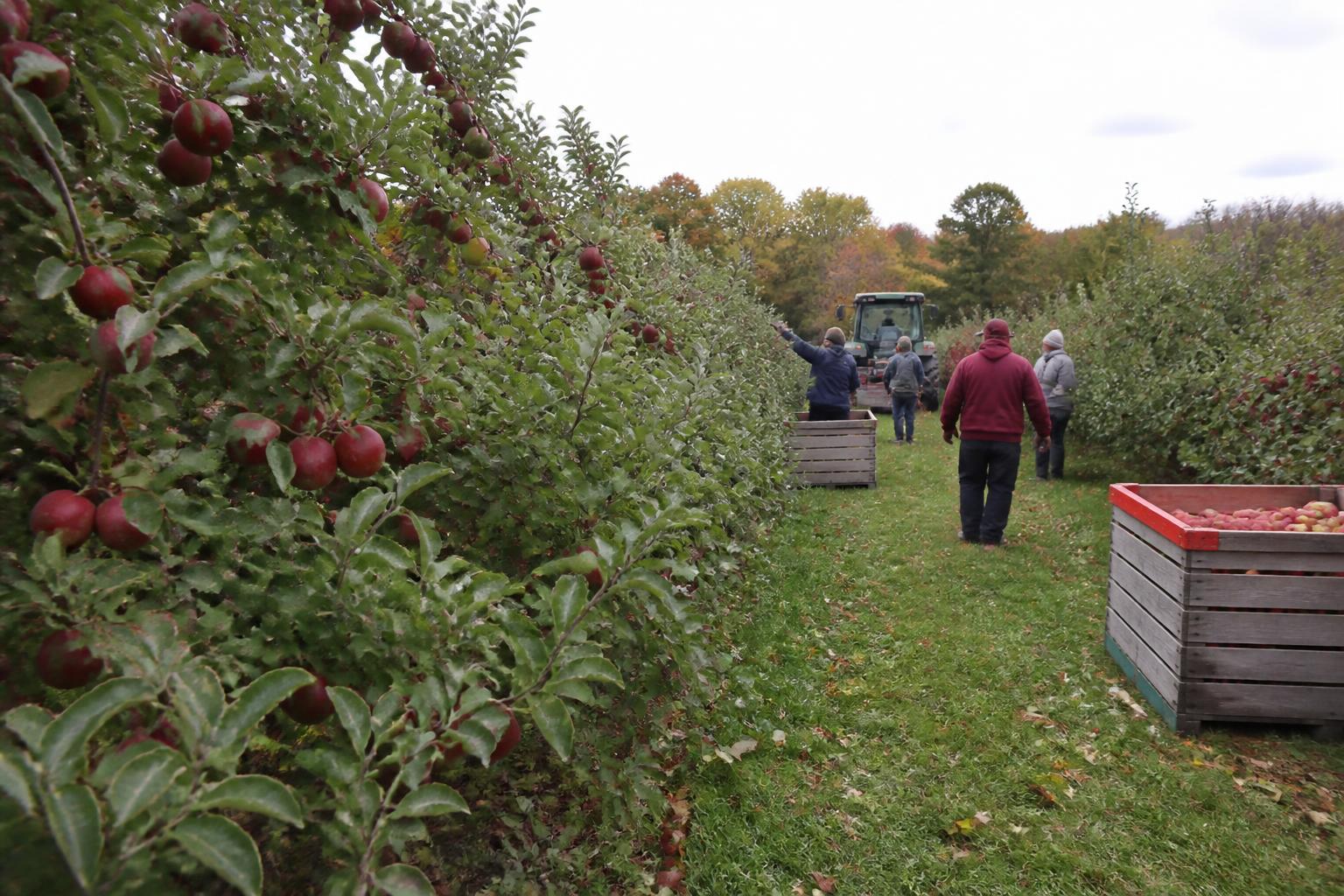
As the fall harvest season reaches its stride across Massachusetts, regional growers are balancing the immediate demands of field operations with the broader challenges of maintaining input security. From the rolling landscapes of the Pioneer Valley to the coastal cranberry bogs, the current environment requires a strategic approach to both resource management and protective measures.
With global supply chains influencing local costs, producers are keeping a close watch on fertilizer pricing and availability. The regional market remains sensitive to external geopolitical factors that can cause price volatility, making proactive procurement and careful budget planning essential for farm operations. Managing these variables is a consistent priority for balancing input costs and global supply uncertainties throughout the harvest cycle.
Managing Emerging Pest Threats
Beyond traditional resource management, Massachusetts farmers are increasingly contending with invasive species that threaten crop health. Recent observations confirm that the spotted lanternfly has established breeding populations in the state, prompting agricultural officials and growers to adopt more intensive scouting and mitigation strategies. This added pressure requires increased vigilance during late-season maintenance to limit the long-term impact on orchards and specialty crops.
The integration of new agricultural technology continues to be a point of interest for those seeking to mitigate risks. Innovation in the biopesticide and crop protection space is providing new tools for producers who are dealing with complex biological threats, offering potential for more resilient, targeted solutions in the coming seasons. Keeping up-to-date with these pest pressures and crop outlooks is vital for maintaining productivity in the Massachusetts climate.
What it means for the market
For agribusinesses and producers, the current market climate underscores the importance of operational agility. Whether dealing with the entry of invasive pests or navigating the financial ripple effects of global energy shifts, those who prioritize diversified input strategies and maintain a strong protective stance regarding crop health will be better positioned to navigate the coming winter months. As infrastructure pressures remain a core focus for state producers, securing supply lines now will be key to ensuring a smooth transition into the next planting cycle.
Comments
No comments yet - be the first to share your take.