
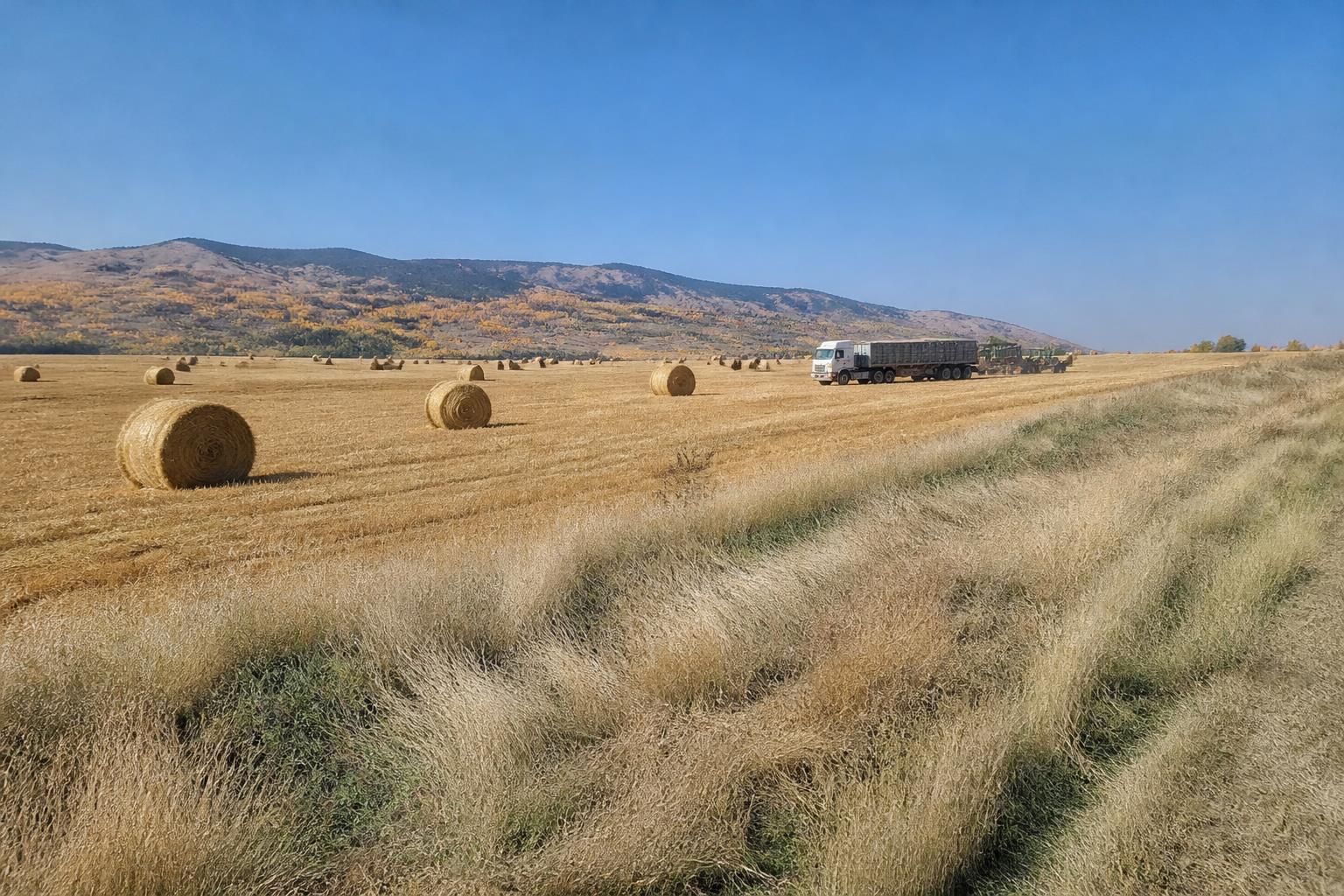
As the fall season progresses, agricultural logistics in Wyoming are entering a high-stakes period. Producers across the state are balancing the seasonal demands of harvest with the immediate need to secure feed supplies. With recent executive action authorizing emergency transportation measures for oversized livestock feed, the movement of critical resources has become a focal point for many operators looking to stabilize their herds before winter sets in.
Managing Supply Chains Under Pressure
The state has seen significant focus on maintaining flow for hay and other essential feedstocks. When regional supply constraints arise, the ability to move oversized loads efficiently is essential for keeping operations running. Producers navigating these shifts may find utility in understanding the latest diesel and regulatory landscapes that impact transport costs and vehicle availability throughout the state.
For those managing the bottom line, external pressures such as the spread of invasive species like cheatgrass continue to complicate land management and feed quality. These biological threats often increase the operational burden on producers, making it vital to stay informed on broader agricultural policy changes that influence how land is maintained and how resources are allocated.
Infrastructure and Seasonal Outlook
Logistics corridors in Wyoming are also feeling the strain of broader state development and environmental impacts. As the governor pursues disaster relief for wildfire-affected regions, transportation networks are being closely monitored to ensure that feed can reach the areas of greatest need. Whether dealing with short-term logistical bottlenecks or longer-term asset management, farmers are prioritizing resilience-building strategies to safeguard their operations against unpredictable weather patterns and market volatility.
What it means for the market
For grain handlers and freight carriers, the current climate presents a dual challenge: the need to facilitate high-volume emergency movements while maintaining standard seasonal delivery schedules. Producers should prepare for potential lead-time fluctuations in the coming weeks. Flexibility in contract arrangements and proactive communication with carriers will likely remain the best defense against localized supply chain disruptions through the remainder of the fall.
Comments
No comments yet - be the first to share your take.