
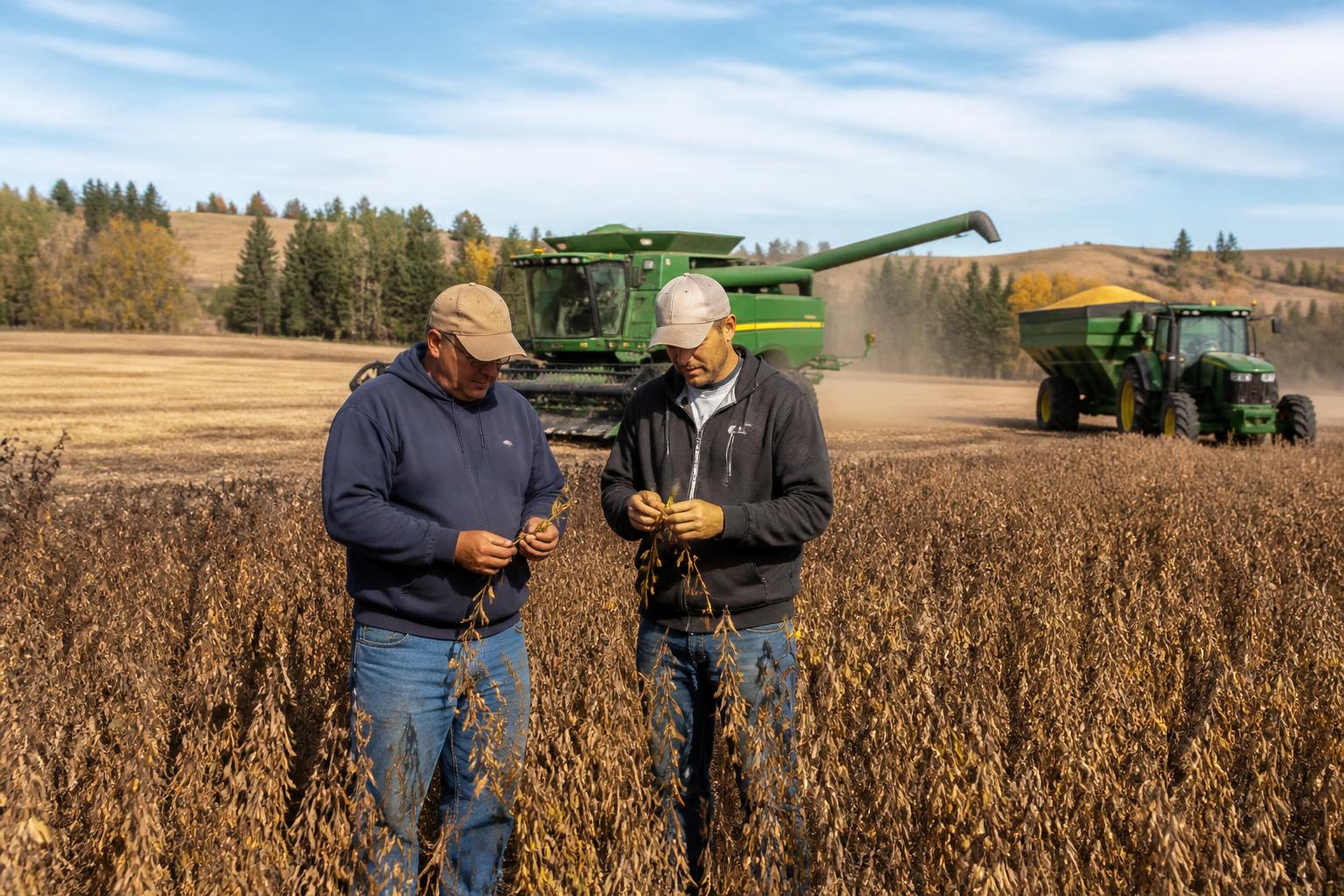
As Washington farmers move deeper into the fall harvest, the agricultural landscape remains defined by a blend of persistent operational hurdles and shifting policy considerations. From the Palouse to the Columbia Basin, growers are working to balance seasonal field demands with a growing focus on federal legislative developments and international trade fluctuations.
For many across the state, the conversation at the intersection of logistics and market access remains a primary concern. Producers are closely watching how trade tensions, particularly those impacting major export partners, influence the bottom line for essential commodities. Even as export discussions evolve, the practical realities of moving grain through the region's ports and rail corridors continue to shape daily decision-making for elevators and transport providers.
Regulatory and Economic Pressures
Beyond the immediate pressures of the harvest, broad regulatory and market landscapes are creating a complex environment for local agribusiness. Policy discussions at the federal level, particularly those concerning the next farm bill, are under intense scrutiny as producers seek stability in the face of rising input costs. Meanwhile, the sector remains sensitive to broader economic shifts, including potential trade policy adjustments that could impact the availability and cost of essential materials like steel and specialized equipment.
Operational Challenges and Sustainability
The operational environment is further complicated by environmental and labor considerations. Recent research highlighting the long-term potential spread of invasive species, such as the Japanese beetle, underscores the ongoing need for robust crop protection strategies. Additionally, the mounting pressure on input costs, coupled with evolving labor availability trends, means that regional growers are increasingly looking toward technological integration to maintain efficiency. These efforts are often paired with a push toward sustainable farming practices, reflecting a broader attempt to align local production methods with changing consumer expectations.
What it means for the market
For grain handlers and input buyers, the current season demands high levels of agility. As regional infrastructure faces continued scrutiny and trade winds shift, the premium is on strategic planning and maintaining lean operations. While the harvest remains the immediate priority, the long-term health of Washington's agricultural sector will likely depend on how effectively stakeholders can mitigate supply chain bottlenecks and adapt to an increasingly fluid regulatory environment.
Comments
No comments yet - be the first to share your take.