
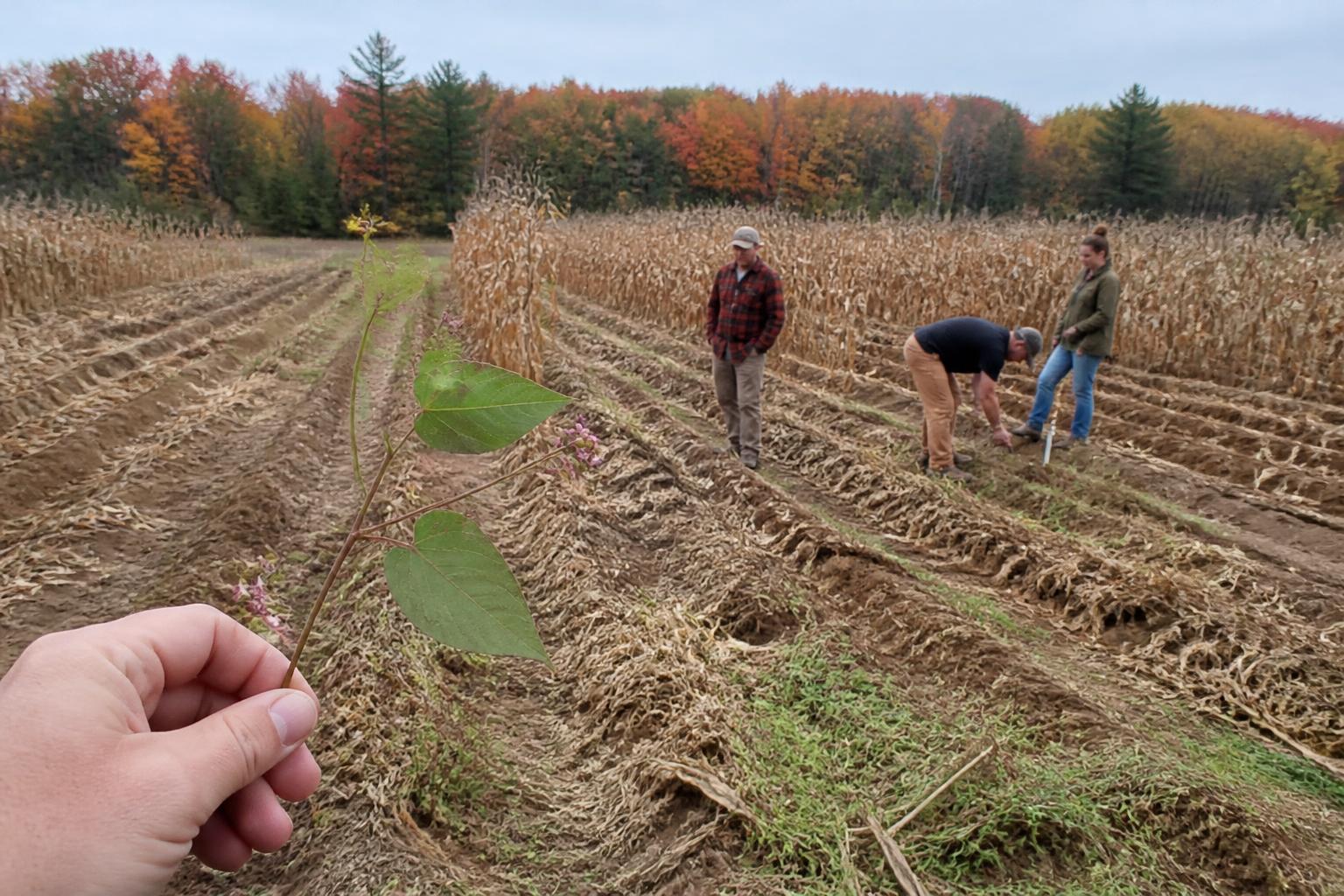
Heightened Vigilance Against Invasive Threats
As Maine agriculture moves through the fall season, the industry is navigating an increasingly complex environment regarding crop health. Recent reports suggest that invasive species and climate-driven pests are placing additional pressure on local producers. These challenges are not merely localized nuisances but represent a broader trend of vulnerability across the state, prompting calls for more robust institutional support to help farms and forests mitigate these risks.
Producers are often encouraged to stay ahead of these threats by diversifying their surveillance strategies. For those looking to integrate new protection protocols or inputs into their operations, field-scale testing remains a critical step. Establishing small test plots allows operators to observe efficacy before committing to broader applications, ensuring that management choices align with specific soil and microclimate conditions found across Maine's diverse terrain.
Building Resilience Amidst Environmental Shifts
The unpredictability of weather patterns—ranging from extended dry spells to sudden, heavy precipitation events—has intensified the need for adaptive crop management. When seasonal moisture fluctuates, the timing of intervention becomes critical. Many growers are re-evaluating their standard protection schedules to account for these swings, which can influence both the prevalence of pests and the efficacy of protective treatments.
Effective risk management often involves a holistic view of the farm ecosystem. Whether addressing issues like invasive vegetation or localized disease vectors, maintaining high standards in sanitation and monitoring can serve as a primary line of defense. For deeper insights into managing these operational hurdles, growers can explore strategies for navigating regulatory and operational shifts that impact overall farm viability.
What it means for the market
For agribusinesses and producers, the current environment necessitates a shift toward precision and caution. Increased costs associated with heightened pest management and the need for more frequent field monitoring can compress margins. Consequently, the market may see a greater emphasis on resource efficiency and the adoption of integrated pest management practices as farmers work to insulate their bottom lines from the volatility brought on by environmental and ecological stressors.
Comments
No comments yet - be the first to share your take.