
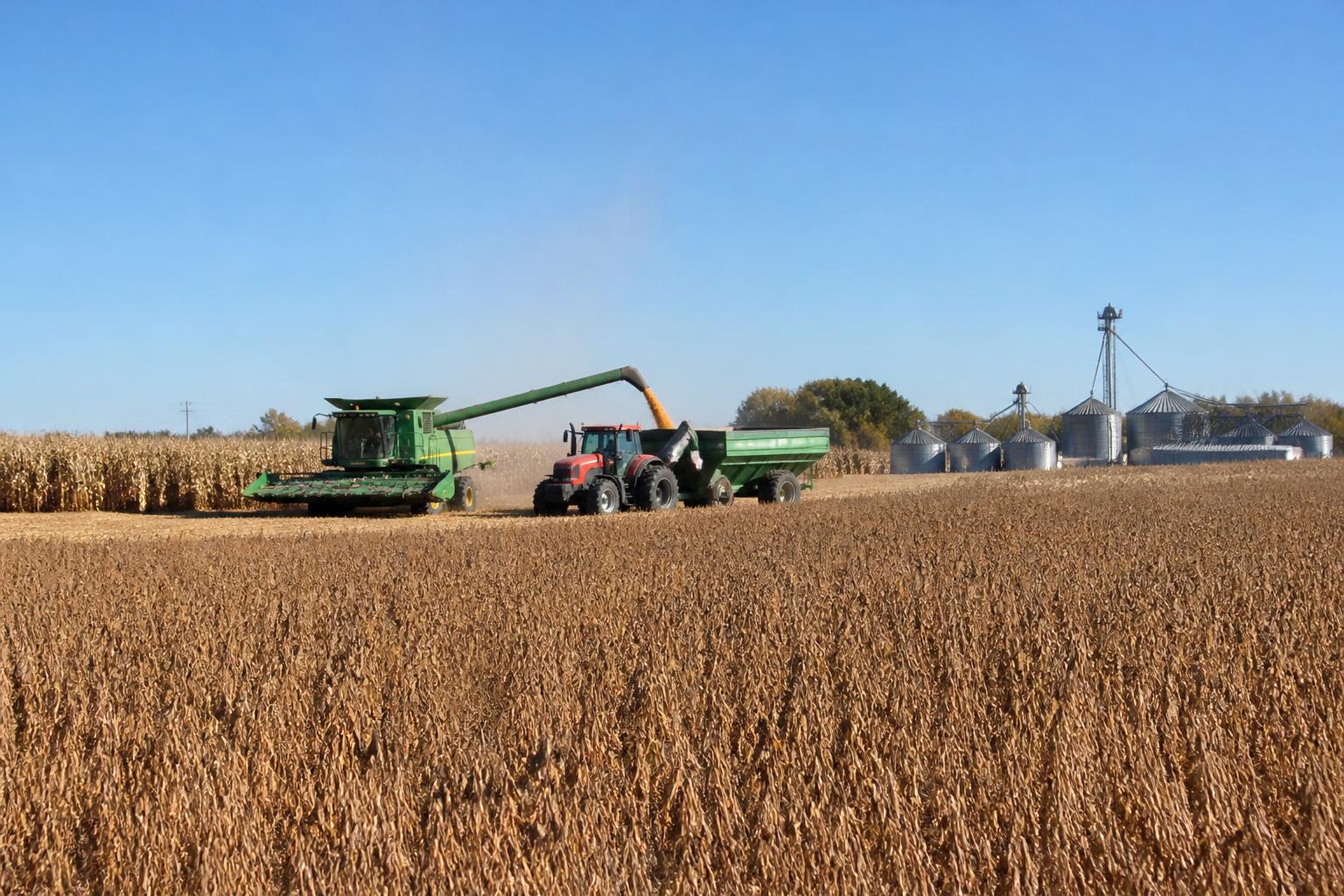
As Nebraska agriculture moves through the heart of the fall harvest season, the focus for many producers has shifted toward balancing strong production potential with the realities of economic headwind. With equipment running across the state's diverse regions, the conversation among stakeholders is increasingly centered on safeguarding producer profitability against external pressures.
Leadership within the Nebraska farming community is actively emphasizing the need for legislative action regarding tax code reauthorization and meaningful progress on the next Farm Bill. Representatives are advocating in Washington D.C. for policies that ensure farmers and ranchers remain competitive. The primary message remains consistent: fiscal stability is essential for the industry, especially as producers grapple with variables that can impact their bottom line, such as rising operational costs.
The Intersection of Policy and Profitability
For agribusinesses and grain handlers, the current landscape underscores a growing sensitivity toward the taxation of agricultural inputs. There is significant concern that placing additional tax burdens on necessary inputs could disproportionately impact the stability of farm and ranch families. Advocates maintain that protecting these margins is a matter of regional economic security, as the success of local rural communities is directly tied to the financial health of the state's producers. By focusing on sustainable economic conditions for Nebraska's fertilizer market, industry groups aim to keep overhead manageable during these volatile cycles.
Market Resilience Amidst Logistical Pressures
While policy discussions take place at the federal level, the day-to-day operations continue in the field. Proactive efforts to ensure efficient logistics for the Nebraska harvest flow are crucial as grain starts moving to elevators and regional storage facilities. Producers are reminded that managing these logistical bottlenecks early can mitigate some of the pressure on their margins. Furthermore, as growers monitor their harvest trends and implement risk management strategies, the emphasis on local storage and transport efficiency remains a top operational priority for the season.
What it means for the market
The immediate outlook for Nebraska producers is a mix of high production expectations and persistent economic concern. For grain dealers, input suppliers, and logistics providers, the emphasis is on maintaining operational efficiency during the peak of the fall movement. Looking ahead, the legislative advocacy efforts mentioned above will be critical to watch, as any shifts in the federal tax or farm policy landscape could alter long-term investment decisions for Nebraska agribusinesses.
Comments
No comments yet - be the first to share your take.