
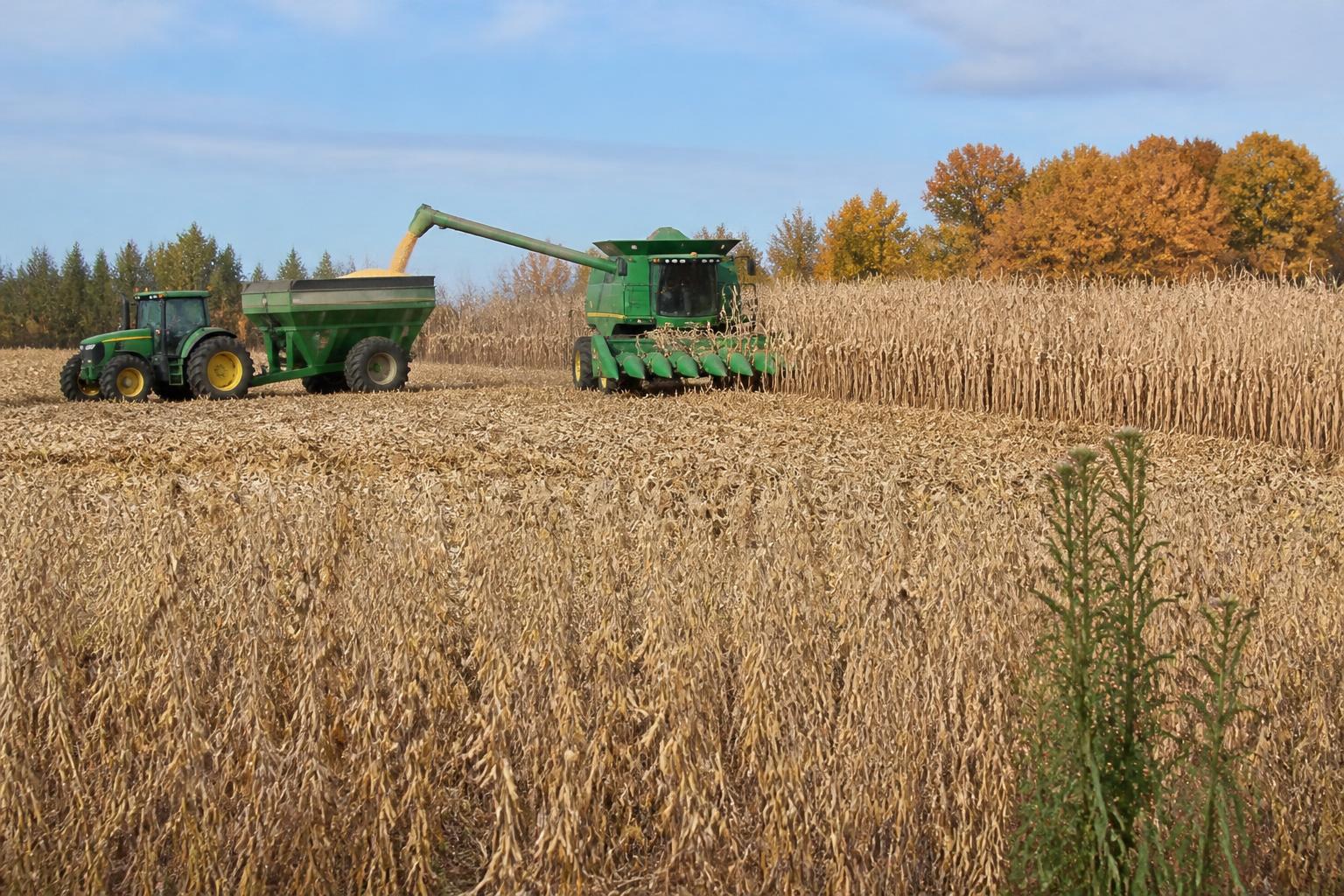
With fall harvest operations accelerating across Minnesota, the focus for grain handlers and producers has shifted toward maintaining efficient throughput while managing the variables of an active field season. As crops reach maturity, the coordination between field-side operations and local elevator intake becomes the primary driver for regional logistics.
For those managing the flow of grain from the field to storage, keeping a close watch on equipment and regional transit corridors remains vital. As harvest progresses, growers are reminded of the necessity for diligent field monitoring. Specifically, scouts and producers are encouraged to maintain awareness for late-season weed pressures, such as Palmer amaranth, which can complicate both yield quality and future field management efforts if left unaddressed during this critical window.
Optimizing Logistics Amid Seasonal Shifts
The pace of harvest often creates localized bottlenecks, particularly near regional collection points. Managing these surges requires clear communication between transport providers and facility managers to ensure that trucks remain on the move and elevator wait times are minimized. Whether navigating primary highways or rural county roads, the added density of heavy machinery often necessitates extra caution during this period.
Effective logistics strategies are essential for producers looking to maintain their margins as they move their crop to market. By anticipating shifts in throughput and preparing for the logistical requirements of the fall rush, businesses can mitigate the impact of sudden operational strains on their overall harvest timeline.
What it means for the market
For Minnesota agribusinesses and grain handlers, the current environment underscores the importance of proactive planning. Successfully balancing the technical demands of harvest—from rigorous field scouting to the logistical synchronization of transport—is essential for preserving crop value and maintaining reliable supply chains as the season draws to a close.
Comments
No comments yet - be the first to share your take.