
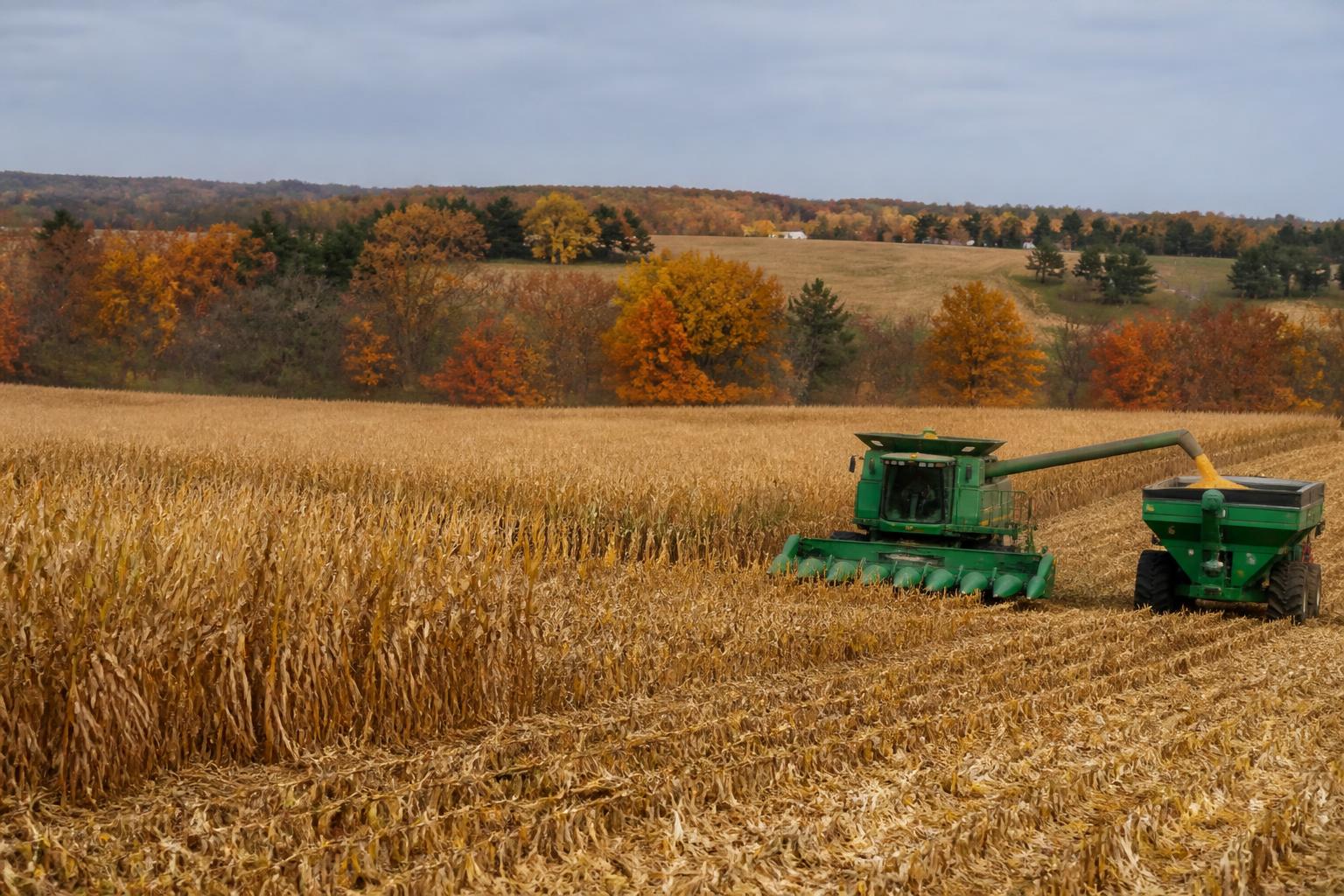
As the fall season brings harvest activity to a close across Nevada, producers are navigating a complex landscape of operational pressures. From managing essential input costs to optimizing transport logistics, the ability to adapt to regional variables remains a critical factor for success in the state's agriculture sector. While many producers are currently focused on finalizing seasonal tasks, maintaining a sharp eye on broader economic trends can help inform long-term planning.
Agricultural resource management continues to evolve, with producers frequently adjusting their approaches to meet changing demands. Understanding these shifts is vital, whether you are navigating operational uncertainties in Nevada's fall harvest or refining your inputs to maintain yield stability. Efficient logistics and reliable supply chains are essential for ensuring that harvested goods move effectively from the field to local storage or broader distribution networks.
Evaluating Input and Operational Costs
The cost of essential crop inputs, including specialized fertilizers and soil amendments, remains a significant consideration for Nevada's agribusinesses. Staying informed on market-driven pricing for fertilizers—such as those utilizing advanced chelate technology—can offer a competitive edge in budgeting for upcoming seasons. As the industry looks toward future production cycles, many managers are placing a renewed emphasis on cost-effective resource allocation.
Logistics in a Changing Environment
Logistics in the driest state in the nation often require creative problem-solving, particularly when it comes to water management and regional transport. As producers assess their performance for the year, evaluating the efficiency of local transit corridors is a standard part of the process of navigating crop protection and resource management in Nevada's fall fields. Efficient coordination between transport providers and storage facilities helps minimize downtime during peak transition periods.
What it means for the market
For Nevada producers, the current market climate underscores the importance of operational agility. While global supply chain tensions often influence broader commodity markets, local focus remains on stabilizing costs and maximizing the efficiency of seasonal work. By prioritizing precise resource management and proactive logistics planning, agribusinesses can better position themselves to handle the fluctuations that often define the fall agricultural cycle.
Comments
No comments yet - be the first to share your take.