
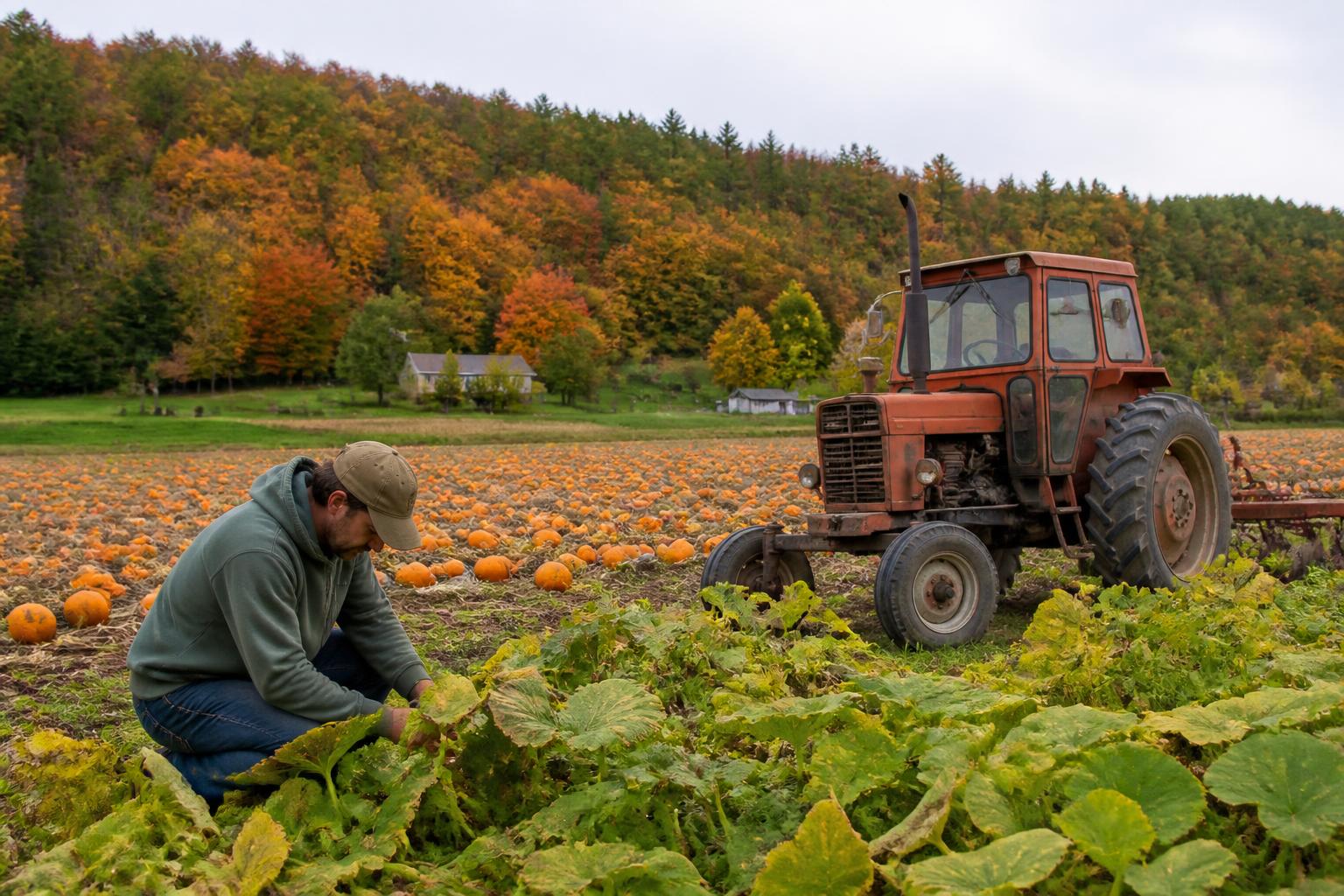
Vermont agricultural producers are entering a period of increased vigilance as they manage shifting regulatory priorities and evolving environmental threats. With fall operations in full swing, the intersection of specialized fuel mandates and the management of emerging invasive species is demanding closer attention from farm managers and input buyers across the state.
Understanding how broad federal directives, such as recent executive orders regarding dyed diesel usage, interact with local agricultural needs is a primary concern for Vermont machinery operators. While these mandates often stem from national policy, their implementation can create unique logistical friction points for producers in rural corridors who rely on off-road diesel for daily field tasks and heavy equipment operation.
Managing Invasive Pressures in New England
Beyond fuel logistics, Vermont farmers are keeping a close eye on the southward and northward spread of the spotted lanternfly. This invasive pest poses a multi-faceted threat to regional crops, potentially impacting everything from orchards to woodlots. As experts monitor the insect's movement into New England, agricultural stakeholders are encouraged to refine their scouting protocols and review their current pest management plans.
Proactive efforts, including research supported by organizations like FFAR, are helping to prepare producers for potential shifts in insecticide use. As regional landscapes change, many farmers find that Vermont farmers navigate evolving regulatory and market landscapes by prioritizing flexible protection strategies that account for both environmental stewardship and economic sustainability.
Operational Readiness for the Season
Fall in Vermont often brings a rush to complete harvest and prepare fields for the winter dormancy period. Whether managing dairy forage or vegetable crops, the ability to pivot input strategies in response to emerging regulatory guidance is a hallmark of resilient operations. Producers are reminded to maintain updated records of their chemical applications and fuel usage to ensure compliance should new guidelines take effect.
Effective risk management requires more than just field-level observation; it necessitates a commitment to data-driven decision-making. By engaging with regional agronomists and staying updated on both state and federal directives, Vermont agribusinesses can better anticipate changes that might influence their bottom line as they head into the next growing cycle.
What it means for the market
For the Vermont market, the outlook is one of cautious adaptation. Expect supply chains to remain sensitive to regulatory pivots, particularly those affecting diesel accessibility and pest control inputs. For those in the supply chain, fostering transparency and early communication regarding input availability and compliance changes will be essential to supporting the state’s agricultural community through these shifts.
Comments
No comments yet - be the first to share your take.