
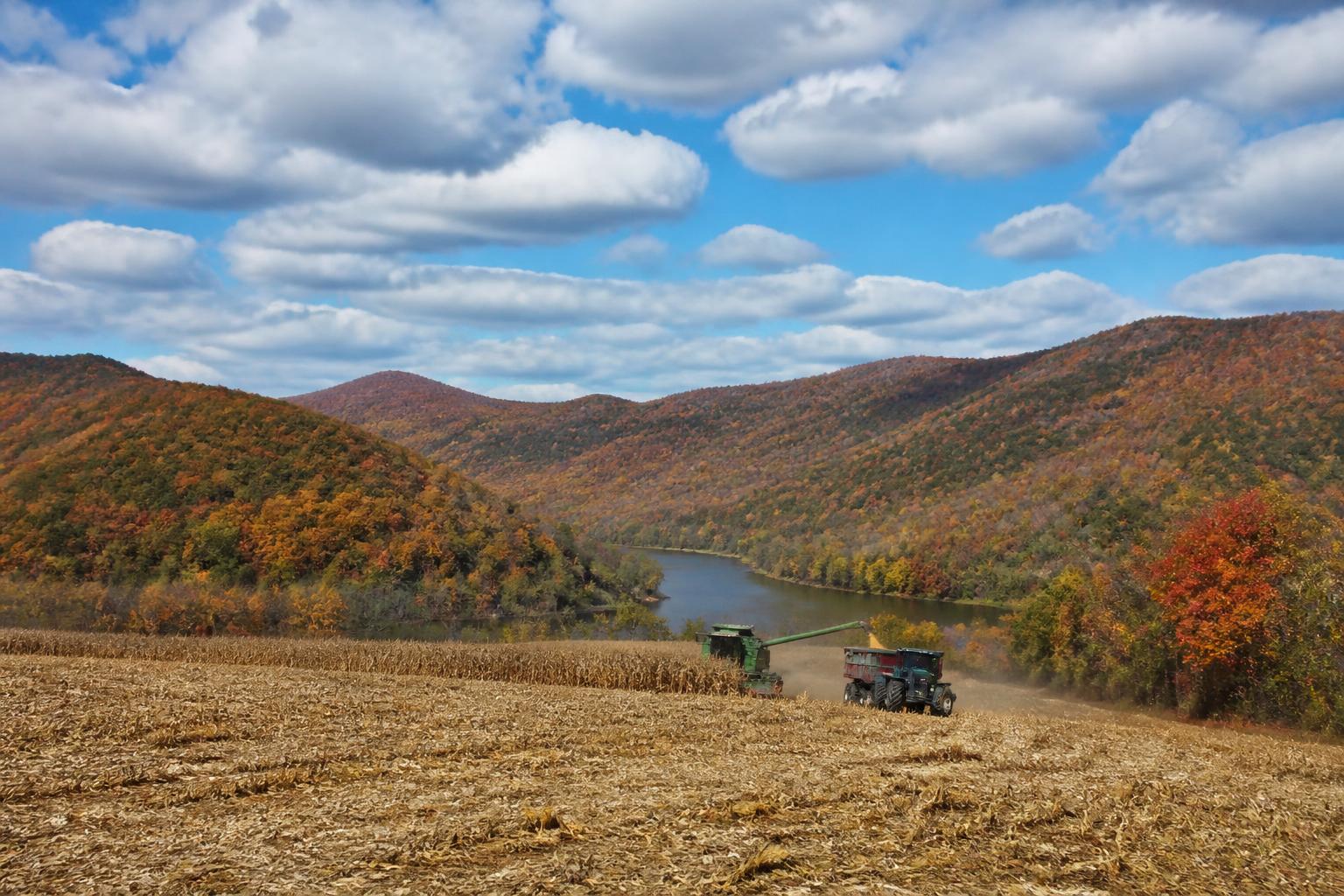
With the autumn harvest season in full swing across West Virginia, agricultural producers are balancing traditional seasonal workloads with the ongoing need to maintain site access. Effective logistics and field access strategies remain a top priority for those transporting equipment and commodities through regional corridors, where shifting terrain and variable infrastructure conditions can often complicate standard transport routes.
While local road crews continue to address surface damage, the combination of heavier harvest-related traffic and unpredictable seasonal weather patterns requires extra attention to detail. Producers and carriers are encouraged to account for additional transit time and to monitor updates on local road improvements, which can vary significantly depending on county maintenance schedules and the state of regional asphalt availability.
Managing Seasonal Operational Risks
Beyond standard road maintenance, the West Virginia landscape presents unique challenges during the fall. Variable terrain and localized environmental factors can influence soil stability and drainage, particularly following periods of significant moisture. Managing these variables is essential to protecting critical farm infrastructure and minimizing downtime during the critical window when crops are being moved from field to storage or market.
Proactive Coordination and Site Security
As traffic increases on rural roads, ensuring safe and reliable access to landholdings remains a cornerstone of successful operations. Whether you are managing grain movement or moving heavy equipment between plots, establishing a clear line of communication with local transit authorities and monitoring weather-related warnings—such as flash flood alerts that may impact low-lying areas—can help maintain operational flow. Staying ahead of these environmental and infrastructural factors helps ensure that seasonal objectives are met with minimal disruption to the bottom line.
What it means for the market
For West Virginia agribusinesses, the intersection of timely harvest logistics and infrastructure health is clear: proactive monitoring translates to reduced overhead. By anticipating potential bottlenecks in road access and accounting for the unique demands of the state's geography, operators can better navigate the fall season, ensuring that commodities reach their destination efficiently despite fluctuating external conditions.
Comments
No comments yet - be the first to share your take.