
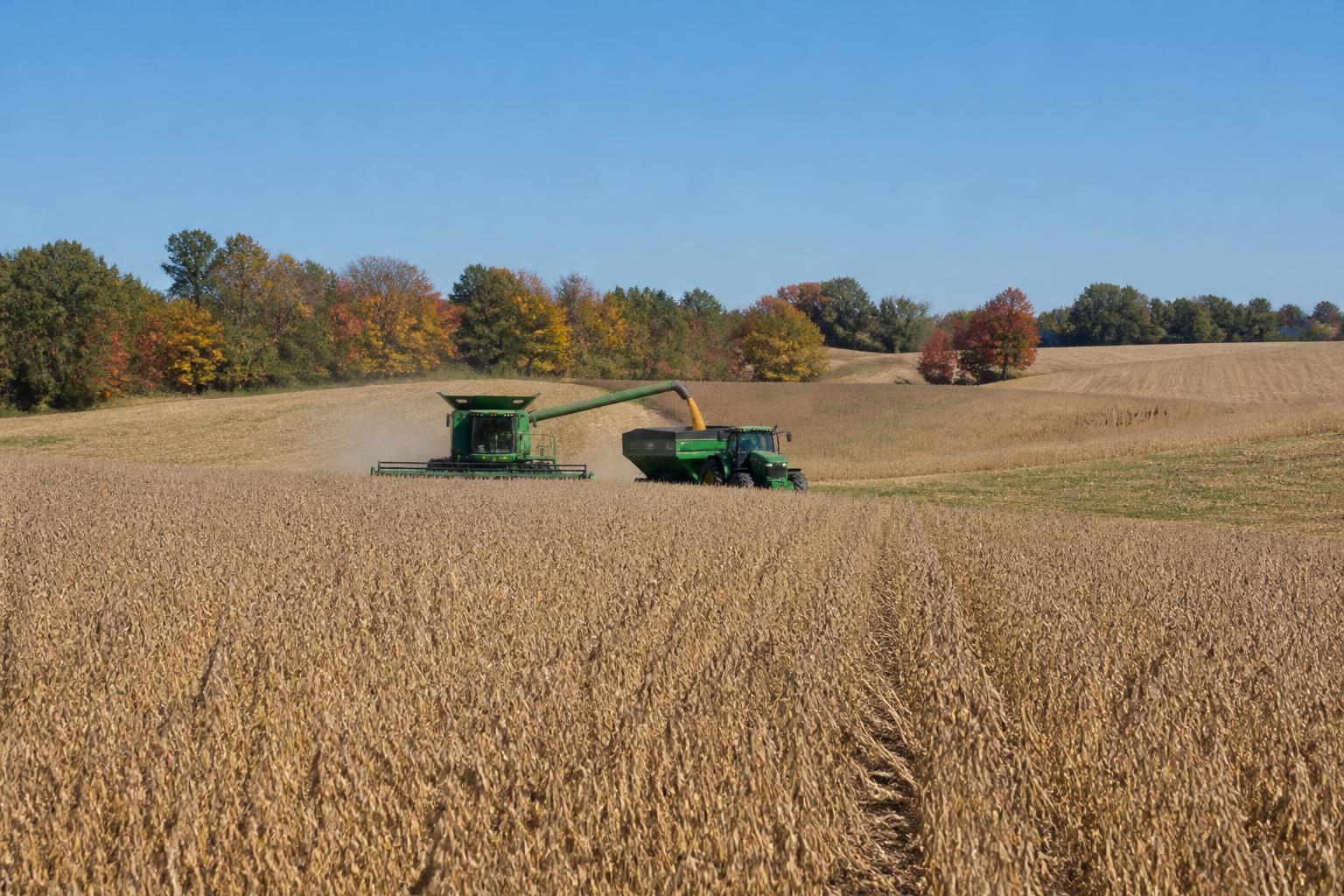
With Iowa's fall harvest in full swing, many farmers are reporting positive crop conditions across the state. While the focus remains on field efficiency and timely logistics, the identification of likely dicamba-resistant waterhemp in some regions serves as a critical reminder that proactive field management remains vital, even as we move toward the dormant season.
Protecting the long-term viability of Iowa farmland involves more than just yield targets. As producers consider their inputs for upcoming seasons, monitoring for resistant weed populations can help inform future chemical applications and tillage decisions. It is essential to integrate these observations into your operational planning to ensure stability despite evolving environmental and biological pressures in the fields.
Adapting to Evolving Pressures
The agricultural landscape in Iowa is currently seeing a mix of optimism—driven by strong crop performance—and caution regarding input costs and chemical efficacy. As health concerns surrounding certain pesticides continue to be debated, many agribusinesses are looking for sustainable alternatives to maintain protection levels while addressing regulatory and environmental expectations.
Strategic Planning for the Future
- Review harvest data to pinpoint areas where weed pressure was high despite chemical applications.
- Discuss integrated weed management programs with local agronomists to combat emerging resistance.
- Monitor local and state-level policy discussions regarding the future of the farm bill and potential impacts on crop protection support.
What it means for the market: Producers who prioritize identifying and managing resistant weeds during the current window are better positioned to optimize their input budgets for the next planting season. By staying ahead of these biological challenges, farmers can potentially avoid unnecessary expenses and safeguard their yields against persistent threats.
Comments
No comments yet - be the first to share your take.