
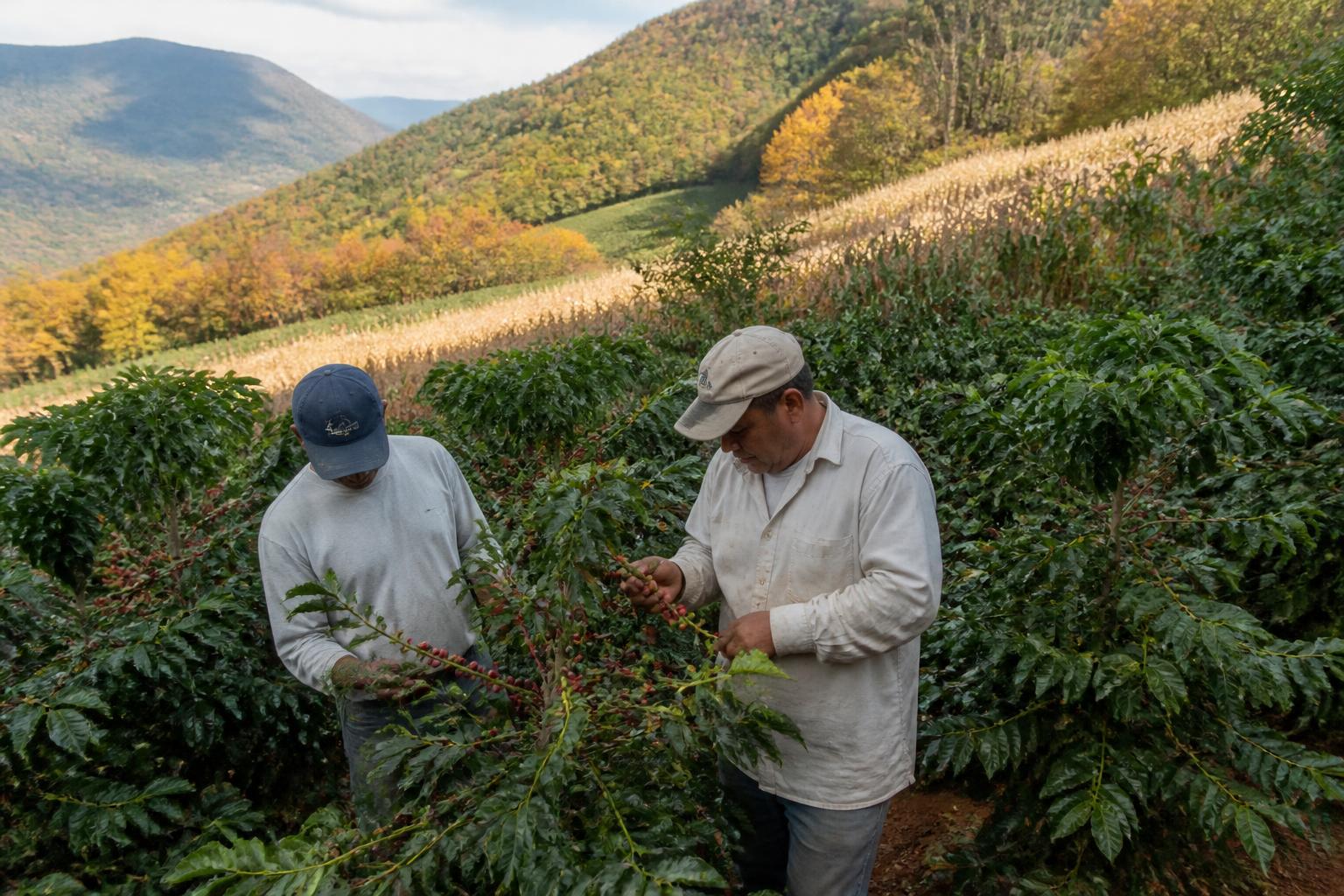
Managing Fungal Threats in Louisiana Fields
With the current harvest season well underway, Louisiana producers across the state continue to monitor for late-season disease pressures that can impact yield and quality. Among the primary concerns for regional growers is the presence of Southern Corn Rust, a fungal pathogen that thrives in the humid, warm conditions frequently found across the central and southern parishes.
Effective crop protection strategies remain essential as field teams work to move product to elevators and storage facilities. Early detection and proactive scouting are often the most effective ways to mitigate long-term impacts on grain weight and plant health. In some parts of the state, late-season moisture can create an environment where these fungal outbreaks are more common, necessitating a disciplined approach to scouting and potential application schedules.
Strategies for Late-Season Field Maintenance
For many operators, managing disease is part of a broader strategy to maintain consistent output throughout the fall. As harvest equipment traverses various soil types, maintaining clean, well-drained pathways can sometimes assist in reducing the stress on crops in low-lying areas. Producers in the Red River Valley and other major agricultural corridors often emphasize the importance of monitoring moisture levels alongside leaf health to determine the most effective timing for field operations.
Understanding the life cycle of regional pathogens allows producers to make more informed decisions about when to pull back on inputs and when to remain on high alert. When conditions turn favorable for disease proliferation, staying ahead of the curve is key to preventing widespread spread throughout standing crops.
What it means for the market
Persistent disease pressure requires producers to balance the costs of protection with the potential upside of yield preservation. By prioritizing field scouting now, agribusinesses and farmers can better manage their risk profile as the season concludes, helping to protect margins during a critical phase of the agricultural calendar.
Comments
No comments yet - be the first to share your take.